
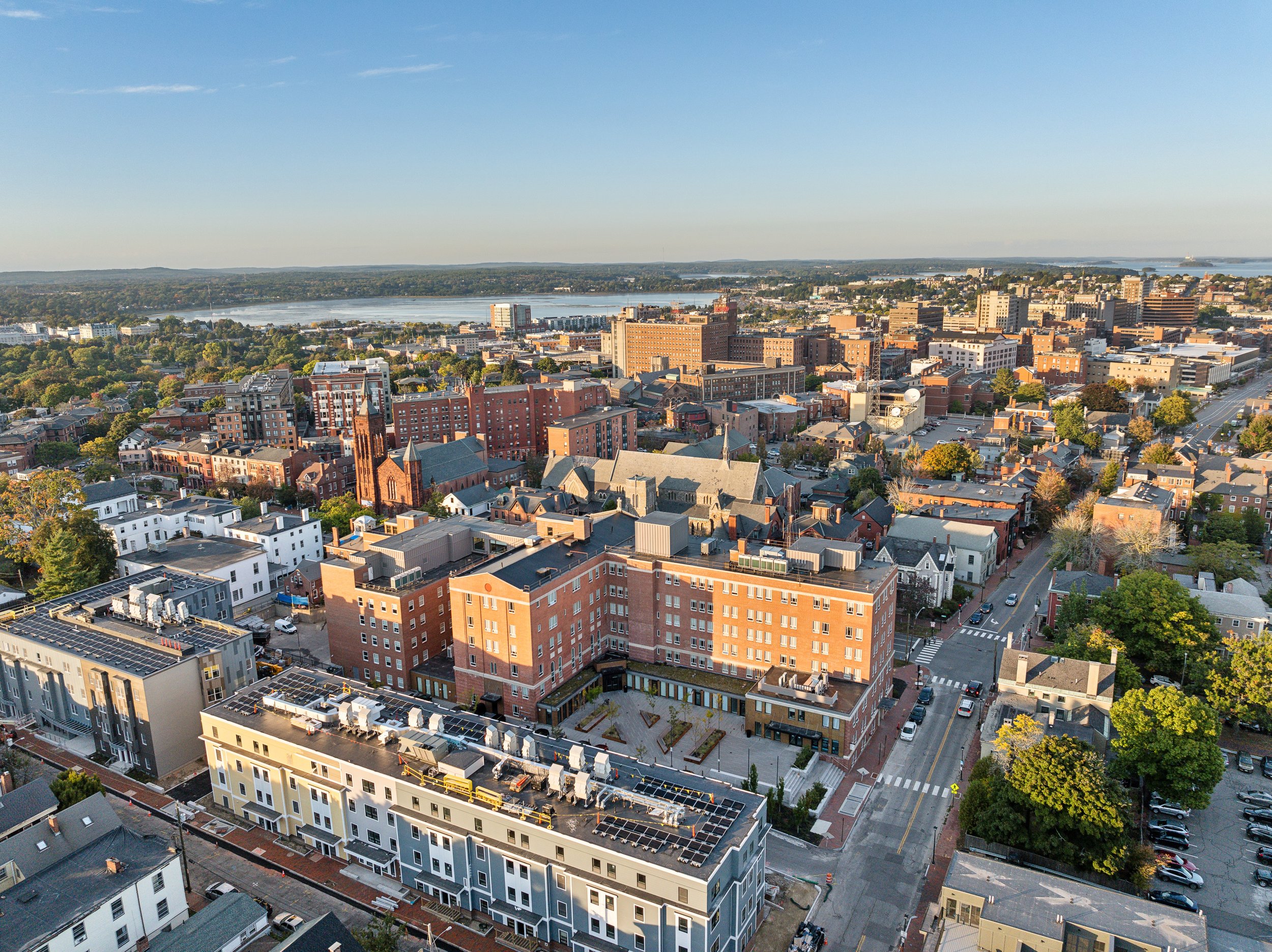
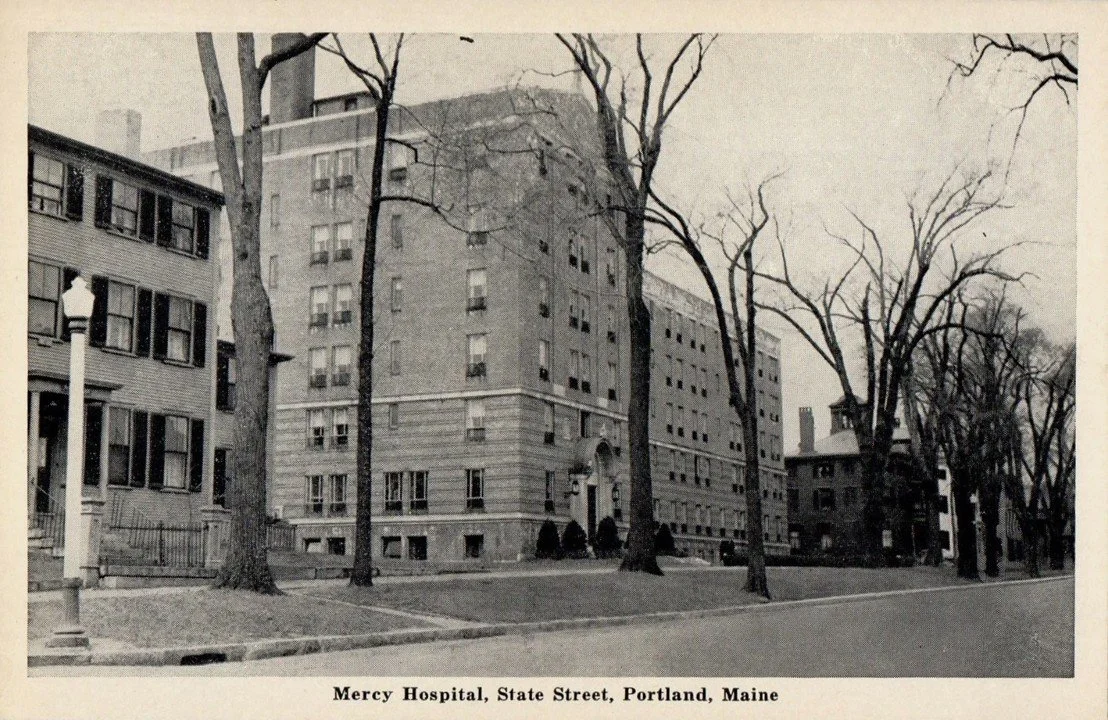
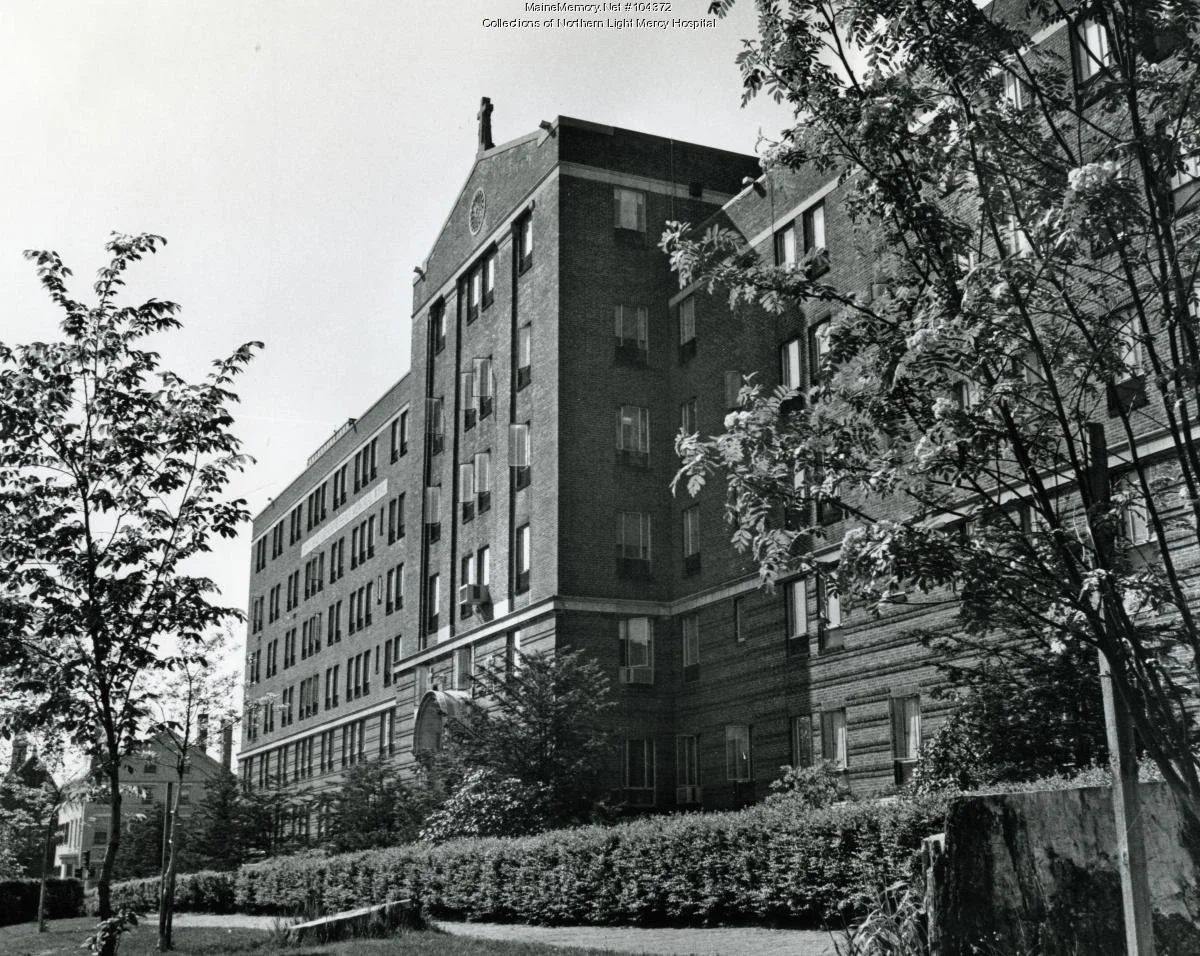
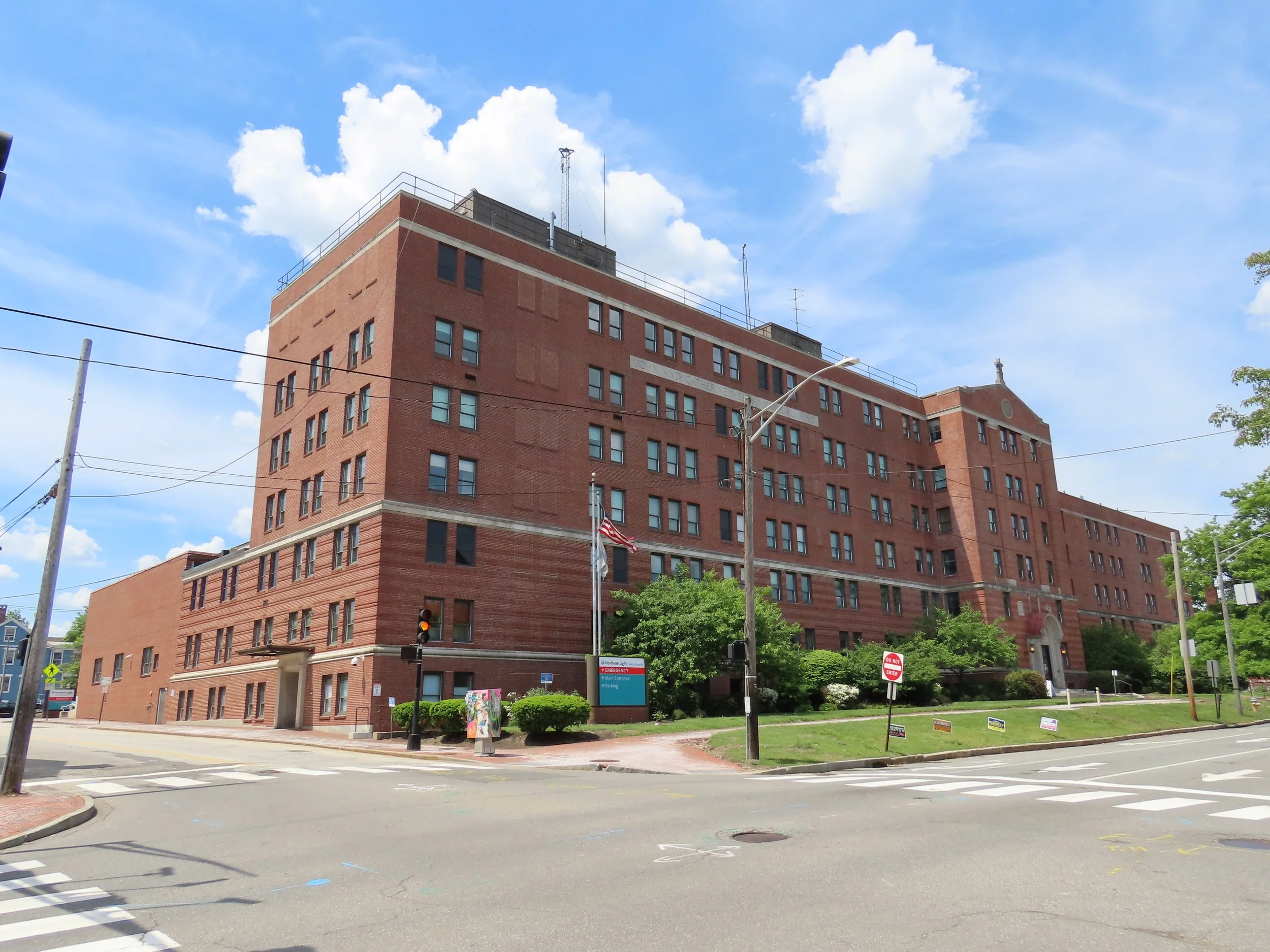
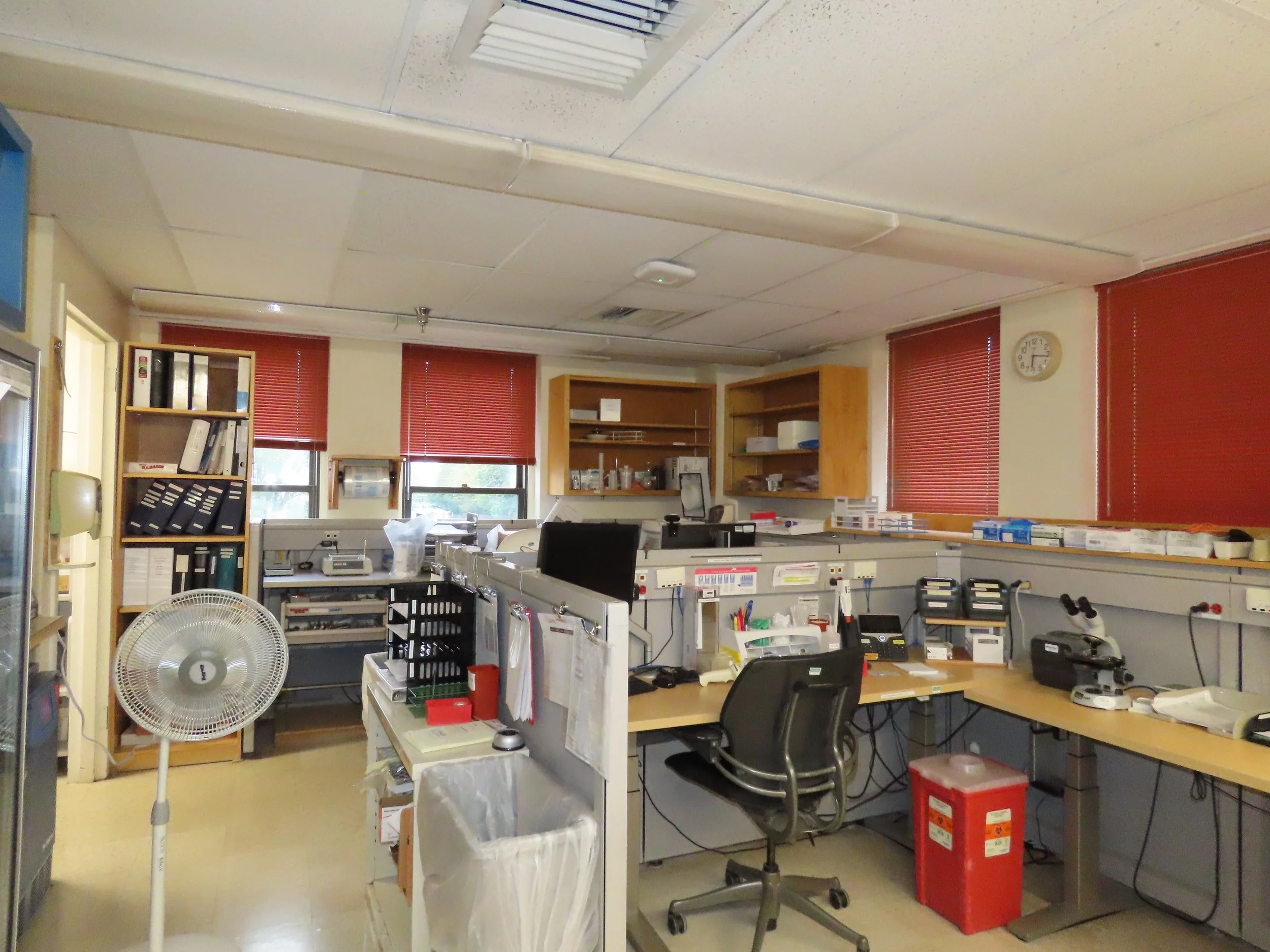
Portland’s Mercy Hospital has its origins in the flu pandemic of 1918 when Bishop Walsh of the Portland Diocese established Queen’s Hospital with the assistance of Portland’s Sisters of Mercy. The original building could not meet the increased demand in the lead up to World War II, when thousands came to work in the booming wartime industries. In 1943, the Sisters of Mercy completed a new state-of-the-art, 150-bed facility. A second wing laid out in the original plans was completed eight years later.
Fast forward to 2006, when construction of a new hospital campus commenced. It prompted the question of what to do with the State Street campus, now part of both a local and National Register historic district. Although the 2008 recession delayed construction and the relocation of Mercy’s services, the Sisters of Mercy decided the hospital’s fate through a Request for Proposal process.
The winning bid was submitted by NewHeight Group with partners: Redfern Properties, Community Housing of Maine, and the Portland Housing Authority. The team leased the building back to the hospital in 2019 until their new campus was completed. Unbeknownst to them, Mercy would soon be hosting a dedicated Covid ward, and a significant amount of the planning work would require site visits through the height of the pandemic.
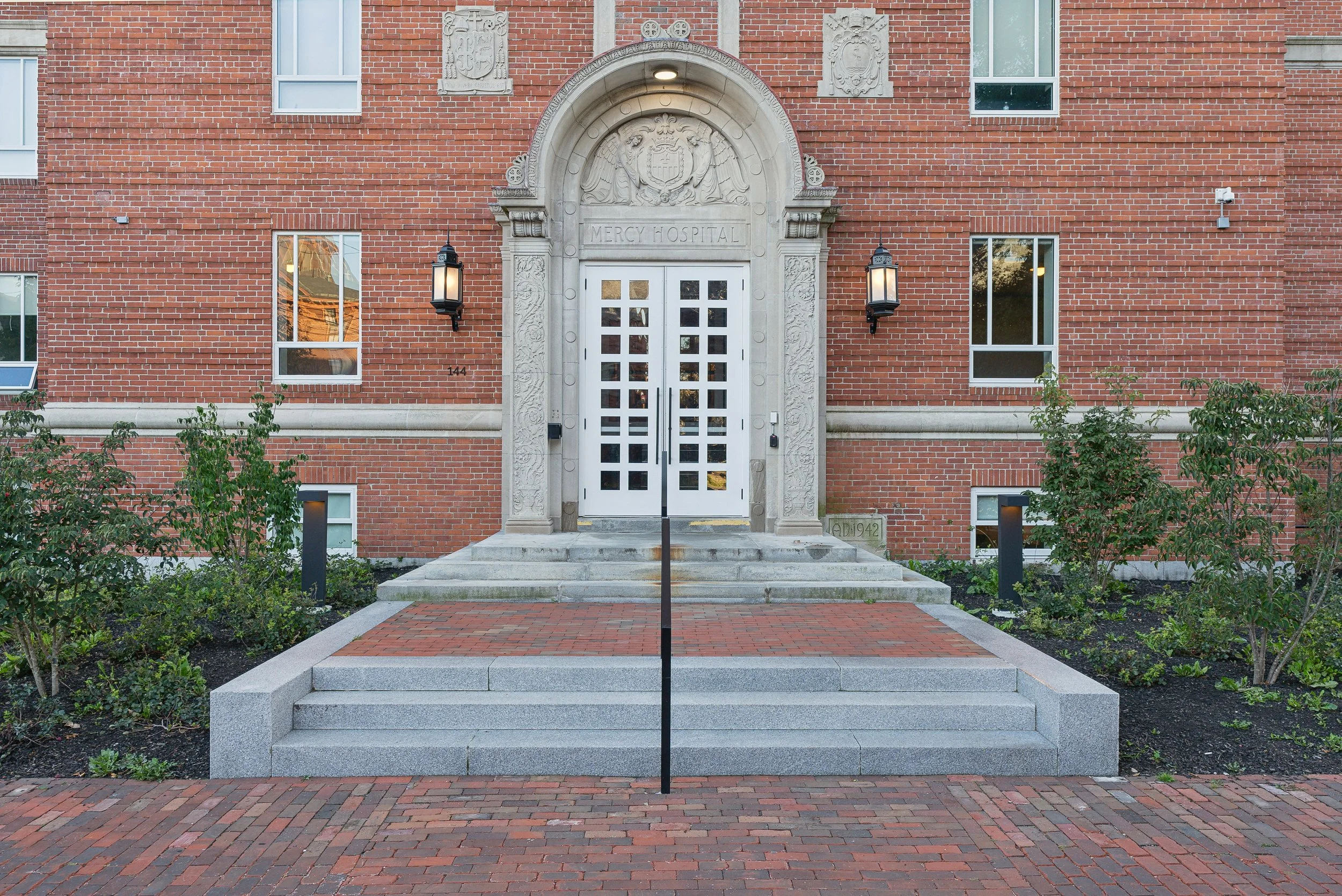
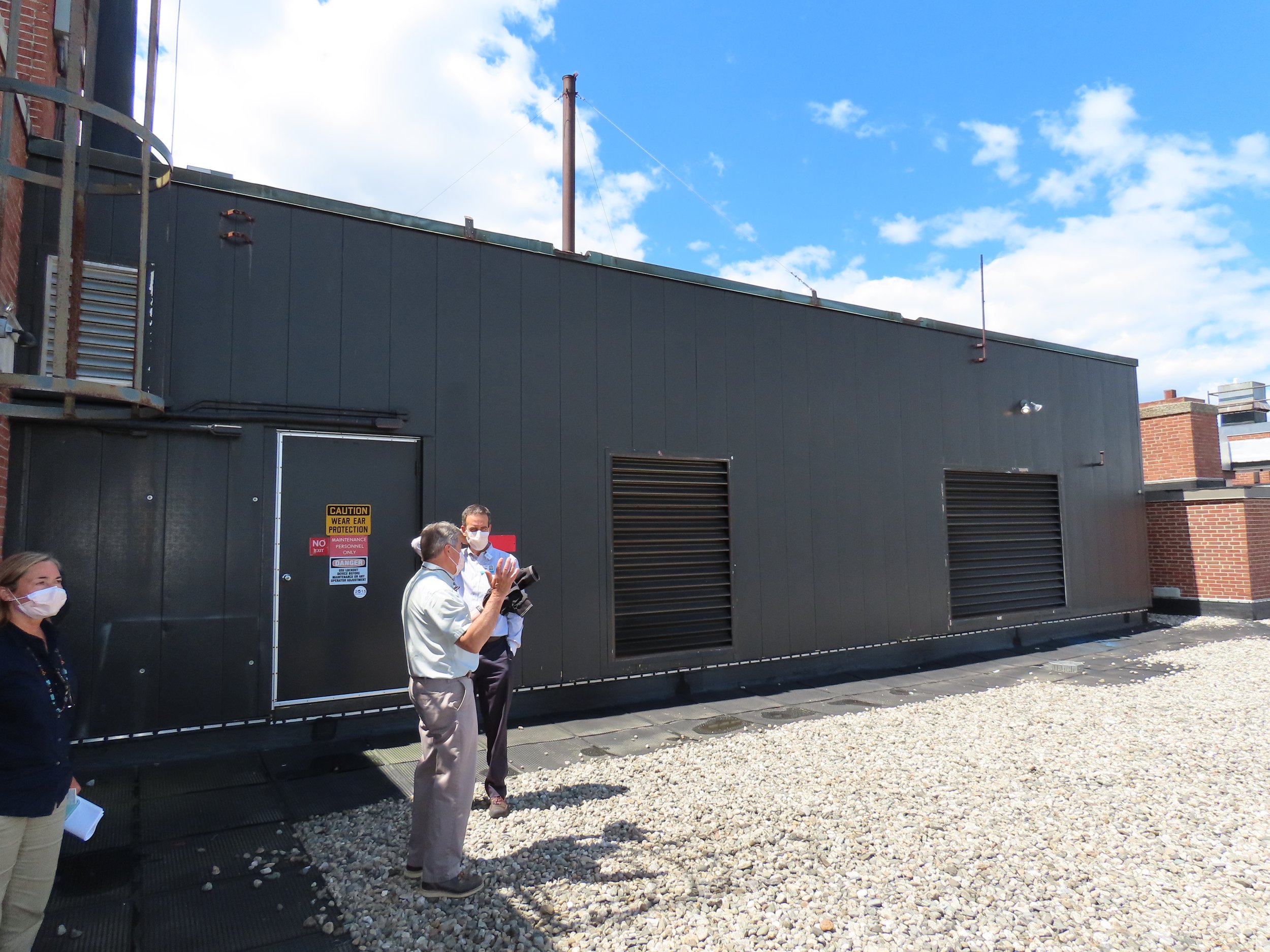
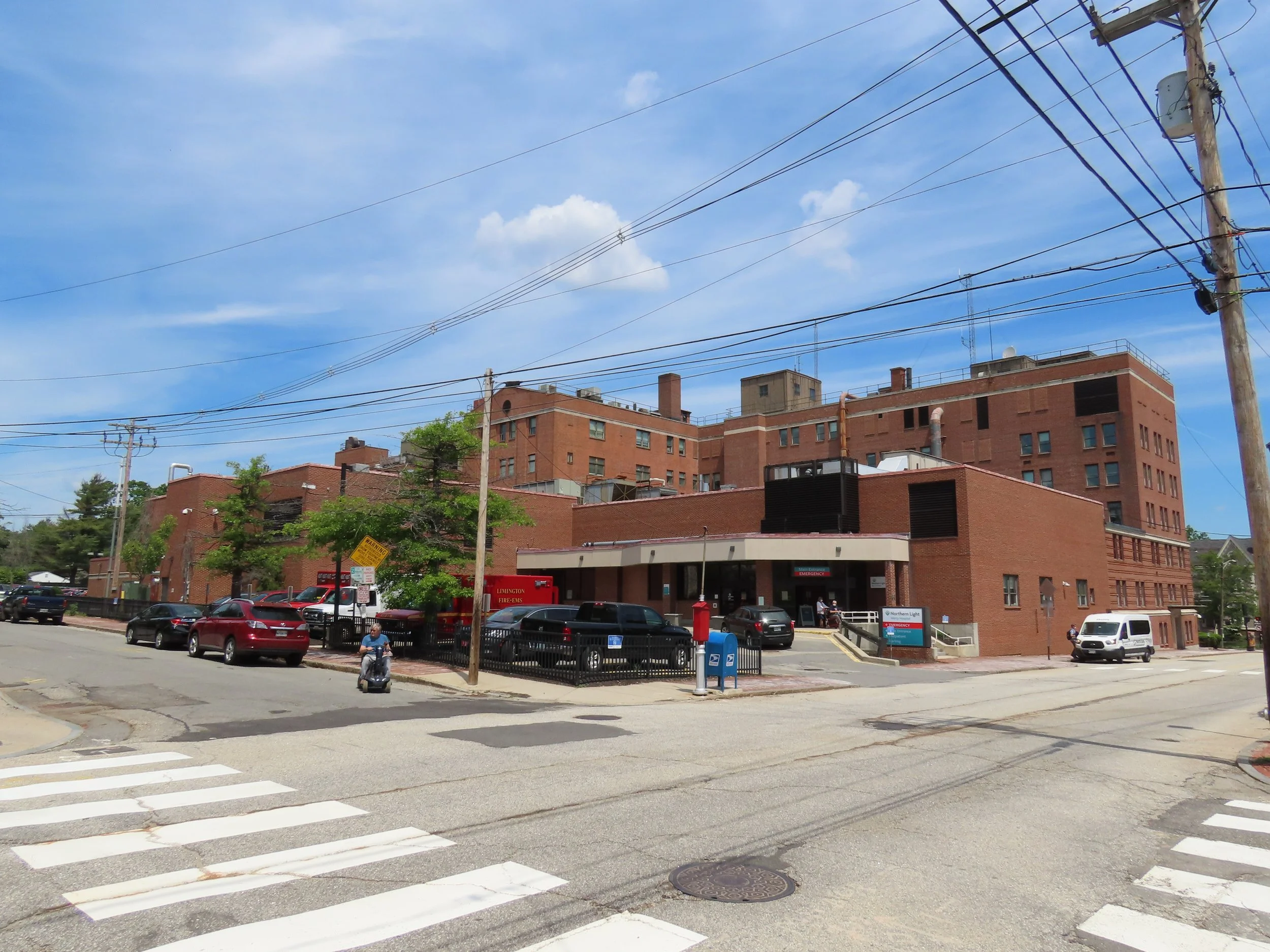
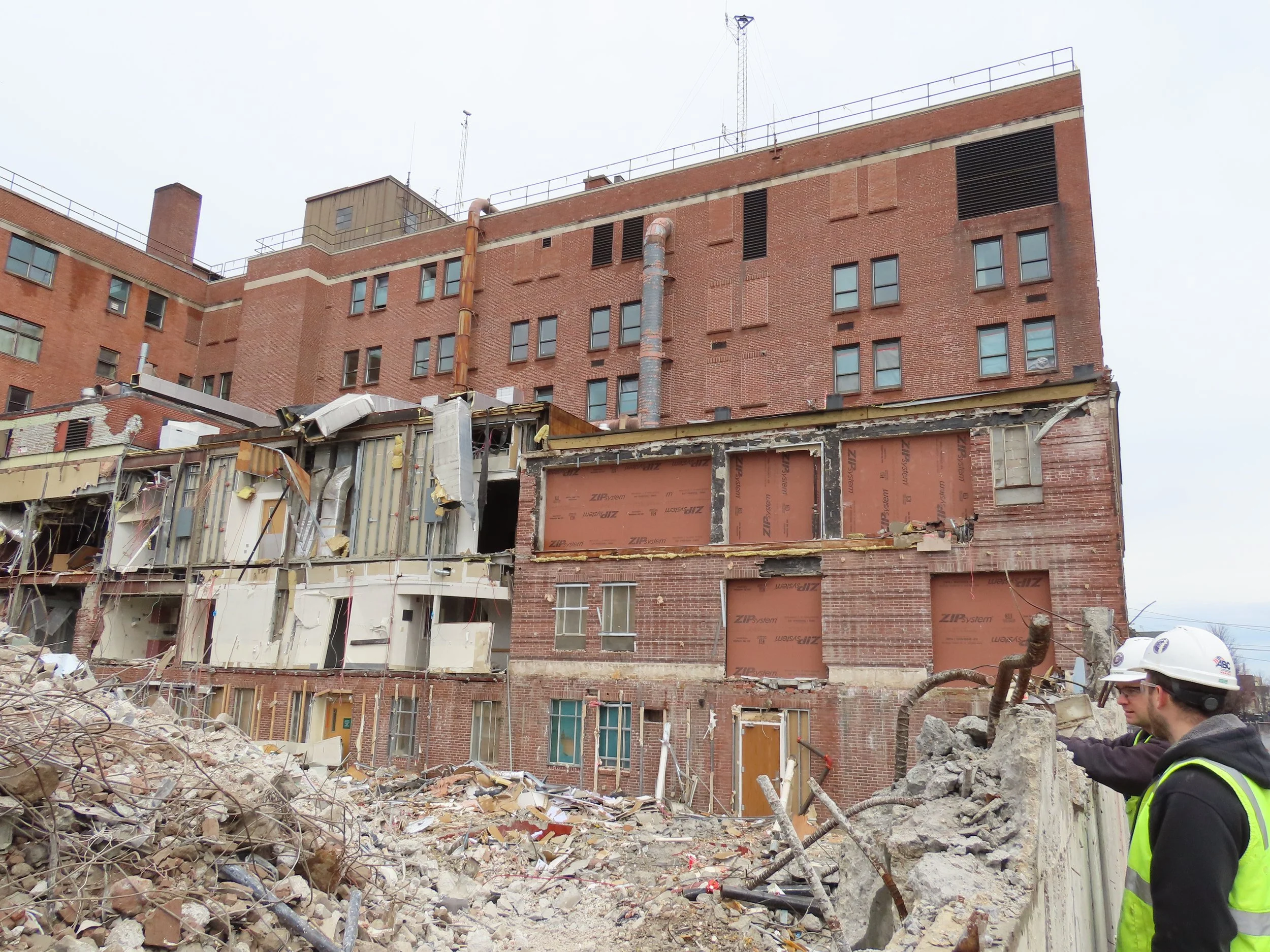
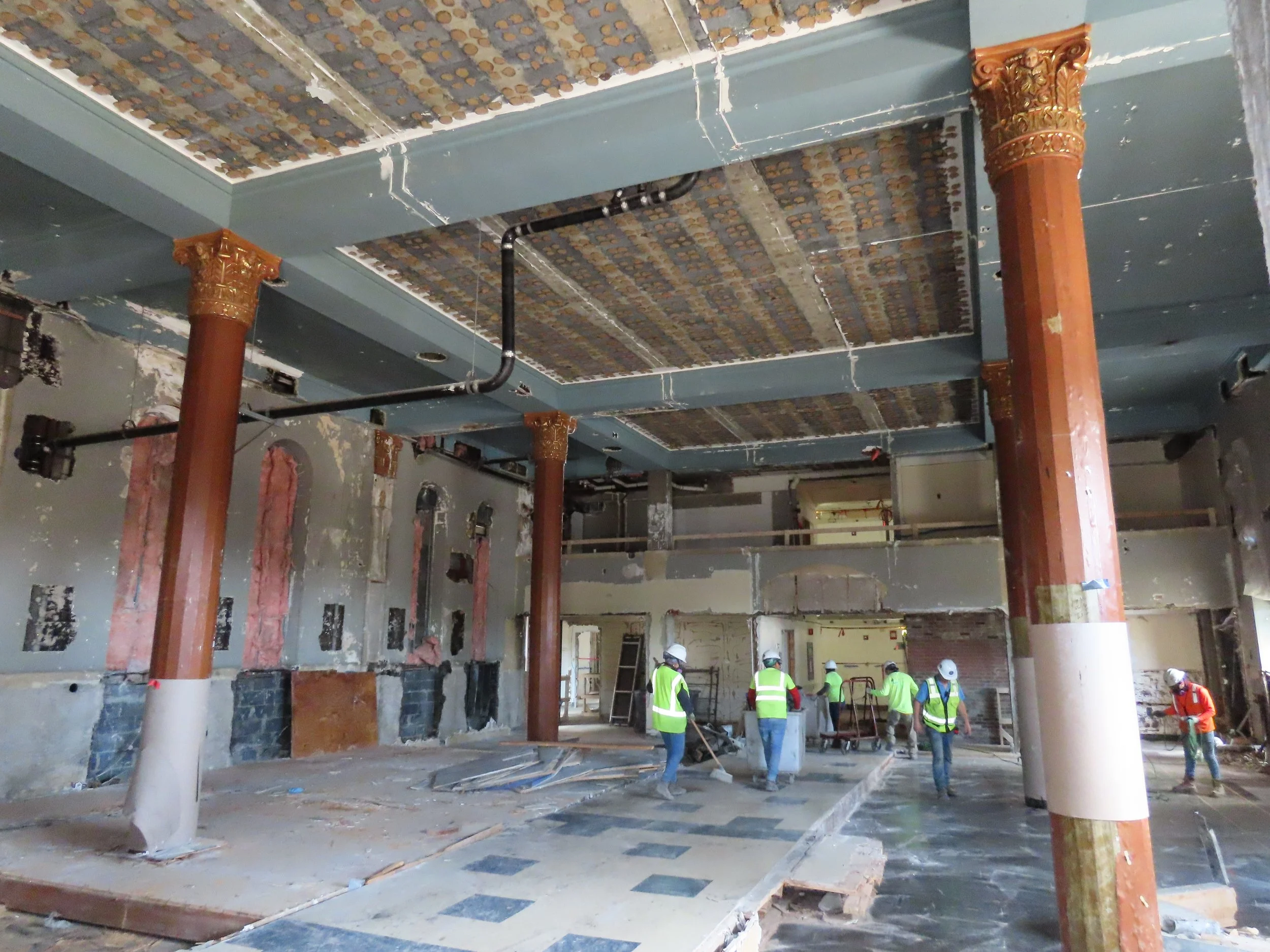
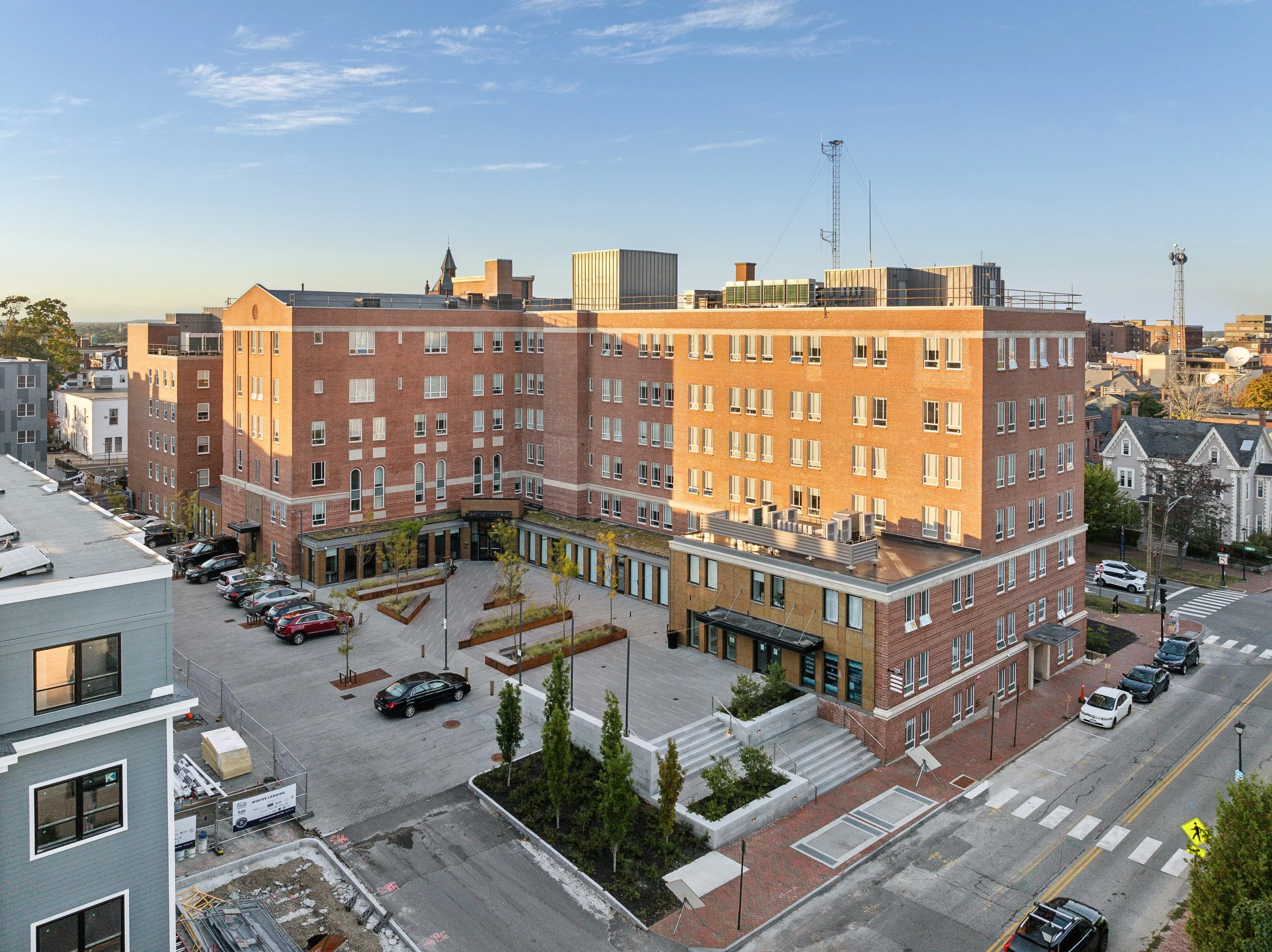
With input from Hanson Historic Consulting, the team set out to rehabilitate the building to its 1943 construction date. The structure had been well-maintained but riddled with alterations intended to meet the needs of modern medicine. Additions for the emergency department were removed to make way for a new accessible entrance compatibly designed by Ryan Senatore Architects. Zachau Construction oversaw the work, which included masonry repointing and extensive restoration work to mend the wounds caused by the additions, as well as installation of new mechanical systems.
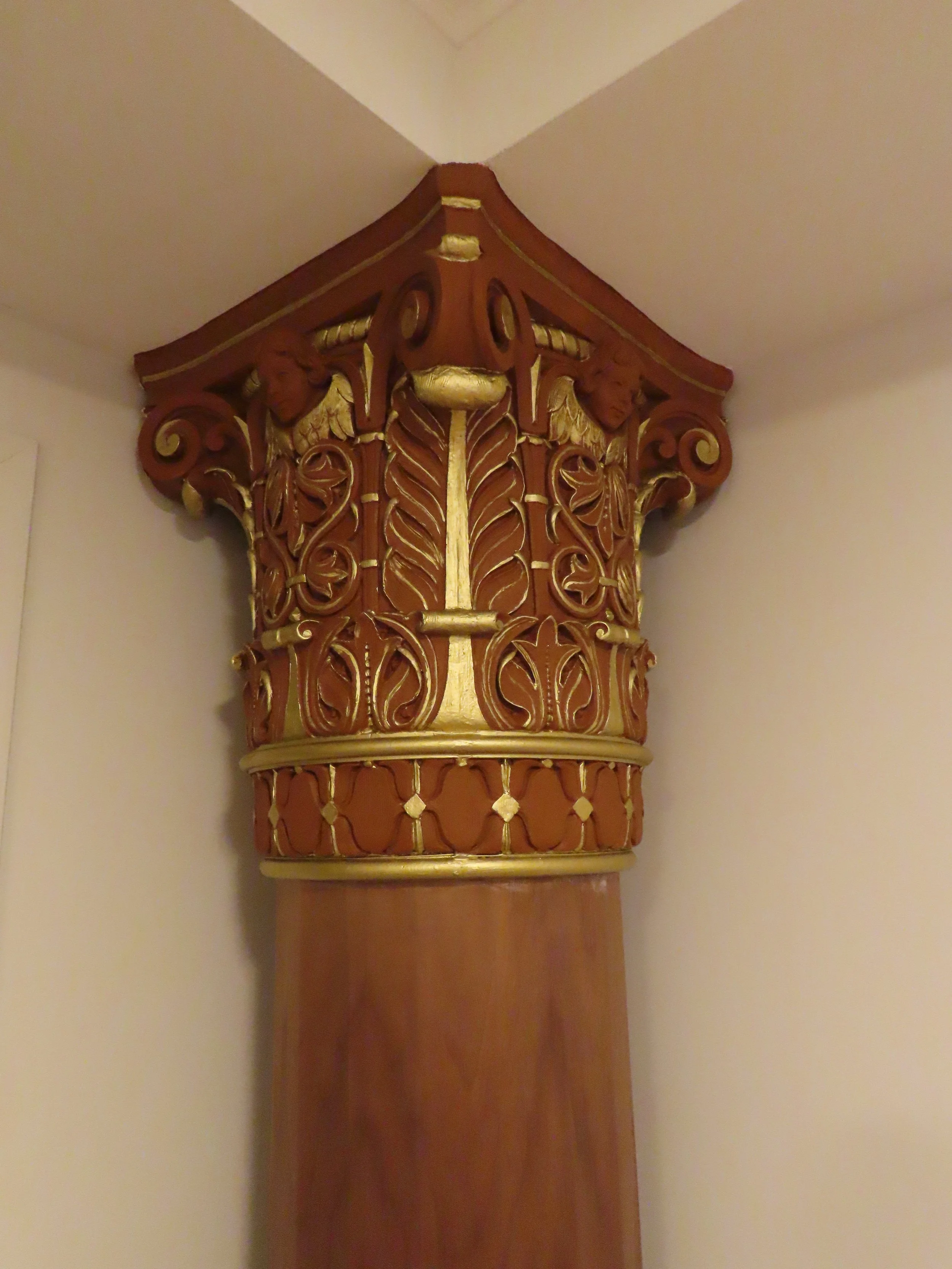
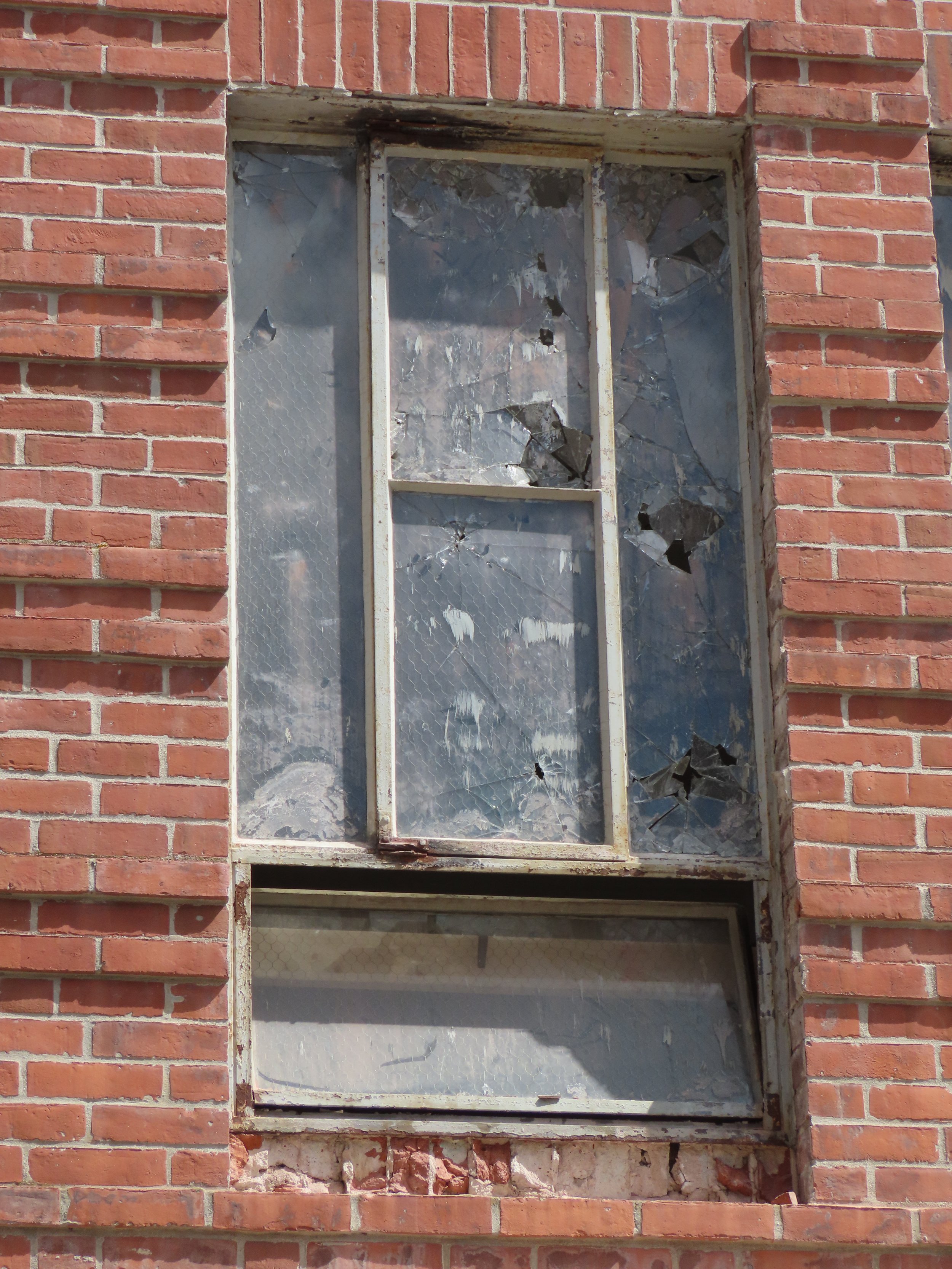
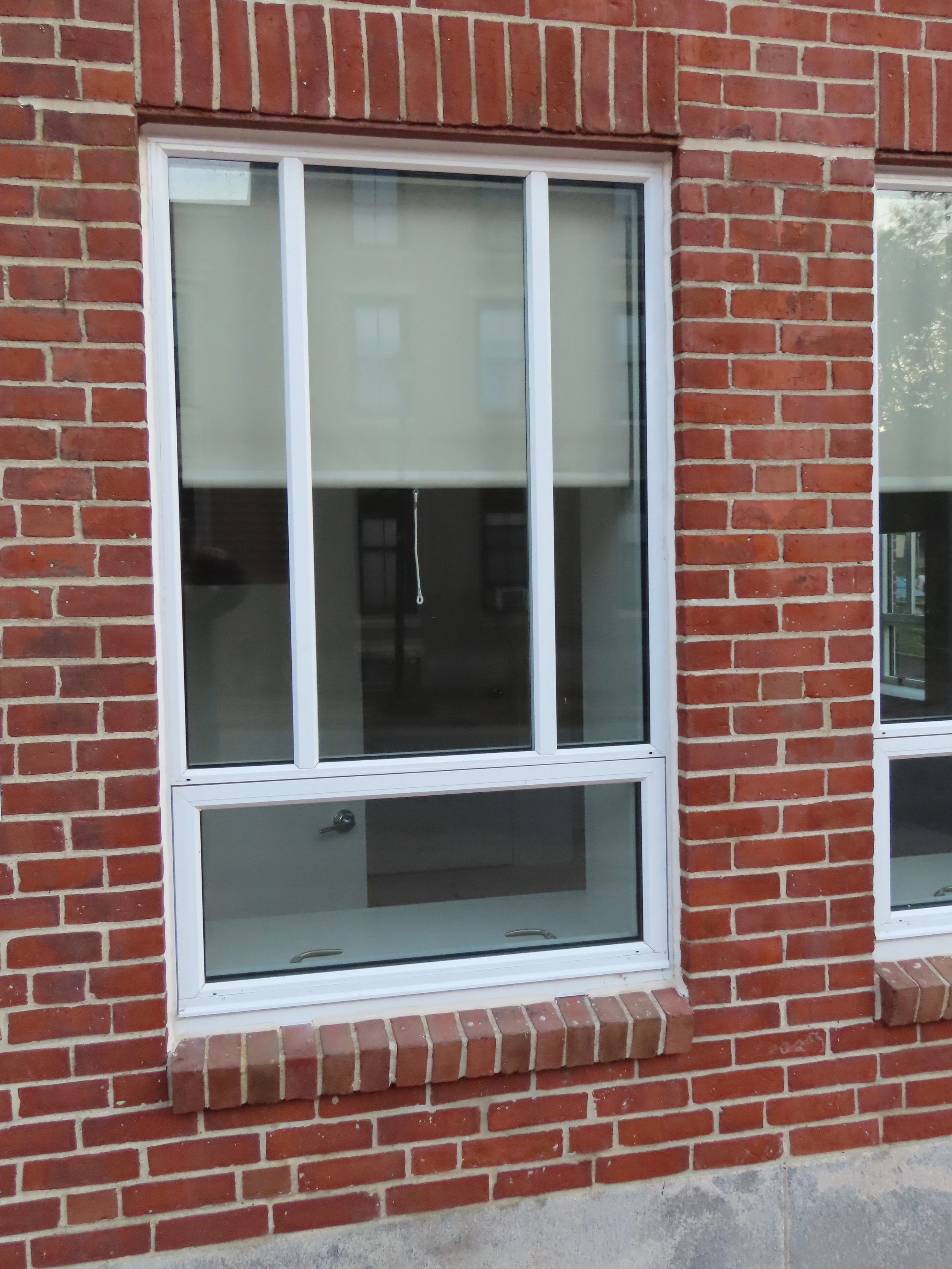
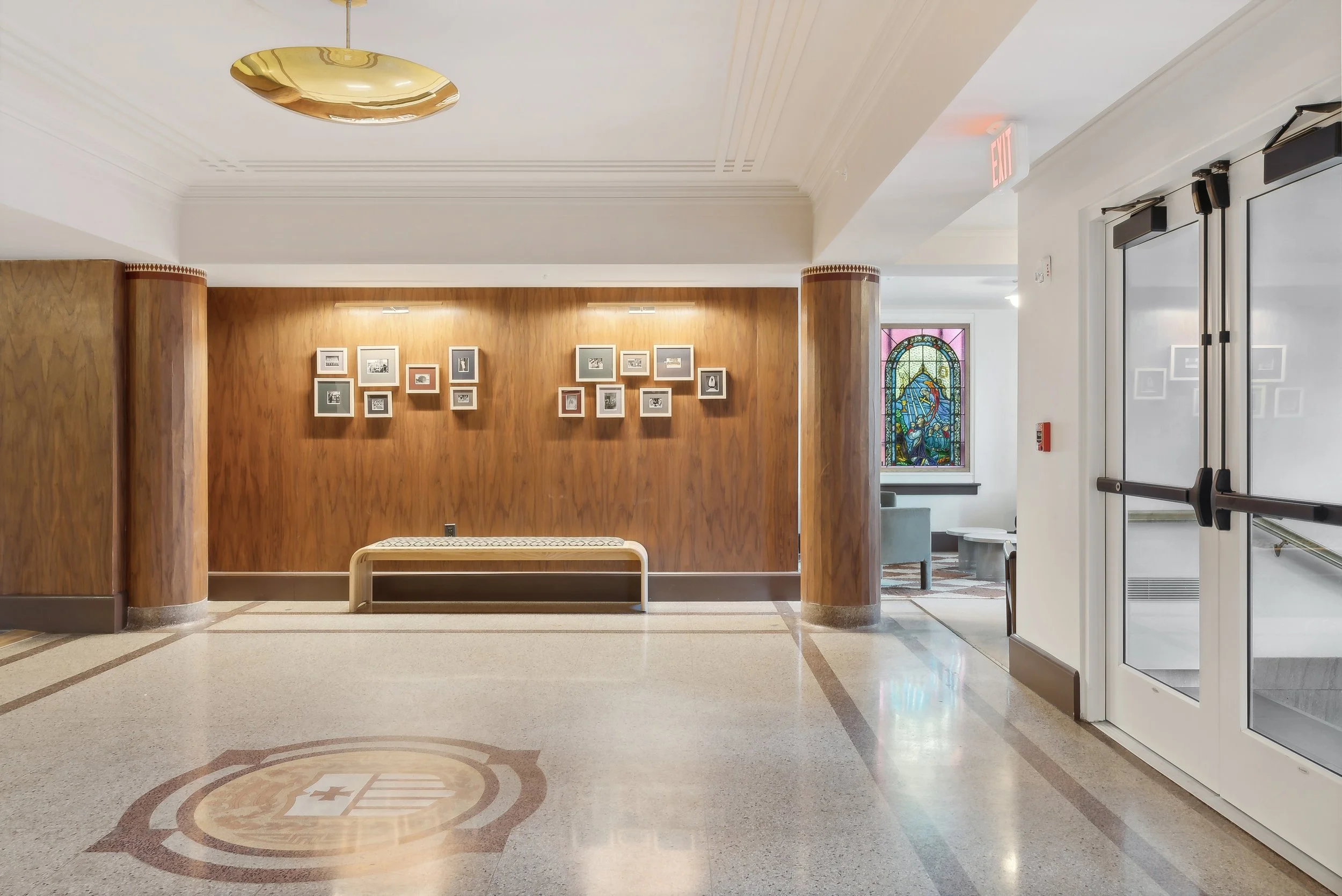
Decorative cast plaster in the original chapel was uncovered and restored by Sampson & Company, and wood veneer columns were recovered in the lobby. An inlayed linoleum floor discovered in the surgery suite was recreated, offering a pop of color to the new residential units. The combination of historic photographs and architectural clues during selective demolition informed the design of the new windows installed across the building.
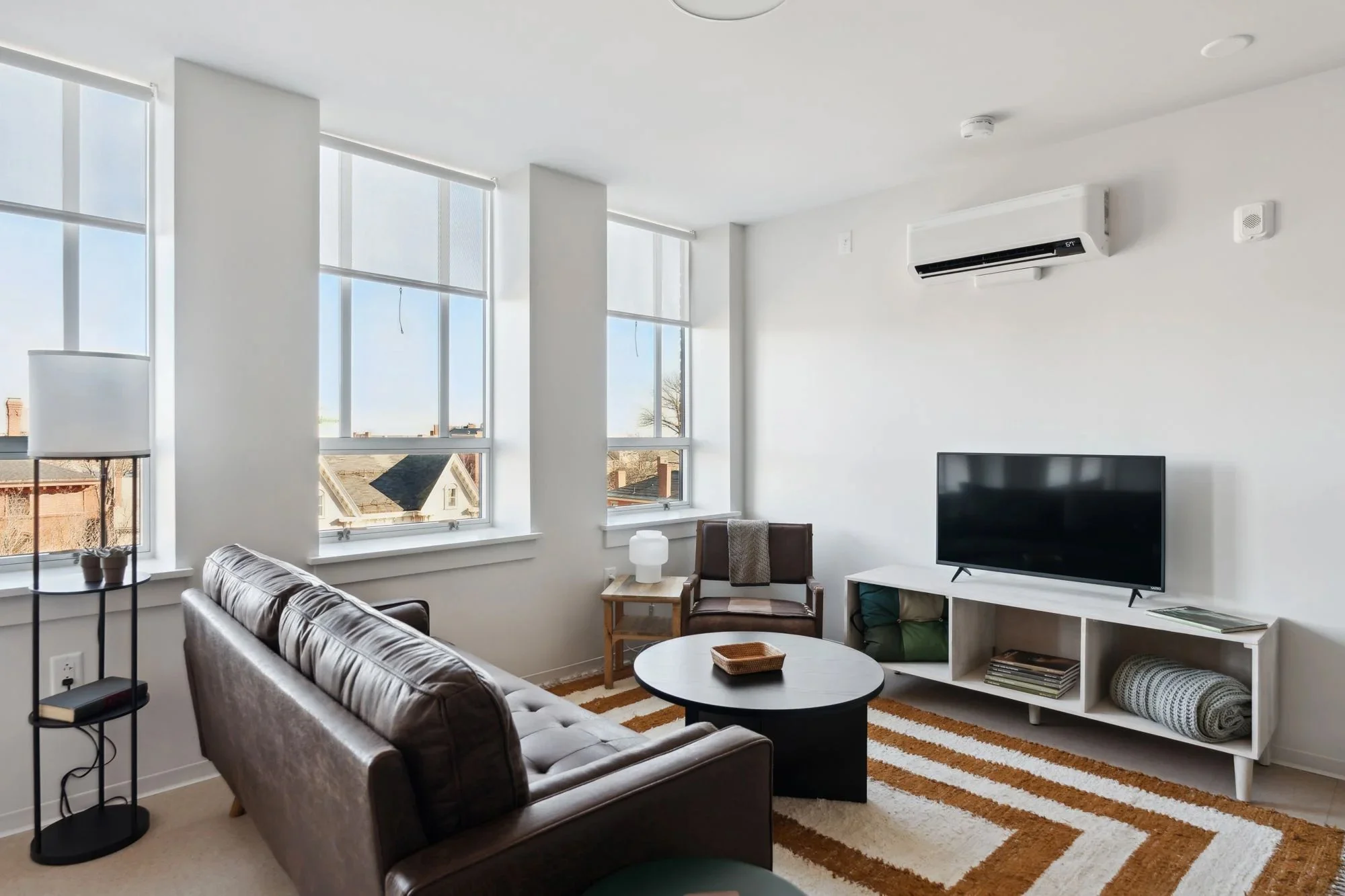
The reuse of the former hospital created 165 new market-rate apartment units and four retail suites, thanks in part to historic tax credit investment from JP Morgan Chase and CEI. The City of Portland supported adjacent infrastructure improvements and updated local codes to allow for the conversion of the spaces below-grade to be used as a self-storage operation.
Additionally, the new family and senior affordable housing constructed behind the hospital building stitched it back into the neighborhood, having long been separated by surface parking lots. The creation of outdoor public space, designed by Aceto Kimball Landscape Architecture, meshed the new with the old.
Nightingale now serves as a national model for hospital-to-housing conversions. It honors the legacy of care and compassion offered by the Sisters of Mercy to thousands of Mainers who were born or treated there over the nearly 70 years of operation on State Street.
Project Participants:
Hanson Historic Consulting
Zachau Construction
Aceto Kimball Landscape Architecture
Bennett Engineering
Warren Mechanical
Ryan Senatore Architects
Acorn Engineering
Summit Geoengineering
Owen Haskell
NewHeight Group
Redfern Properties
Mey & Company
Sisters of Mercy
Northern Light Health
Sampson & Co. Ornamental Plasterers
JP Morgan Chase
CEI
Photo Credits: Hanson Historic Consulting, Structure Media, Maine Historical Society
