
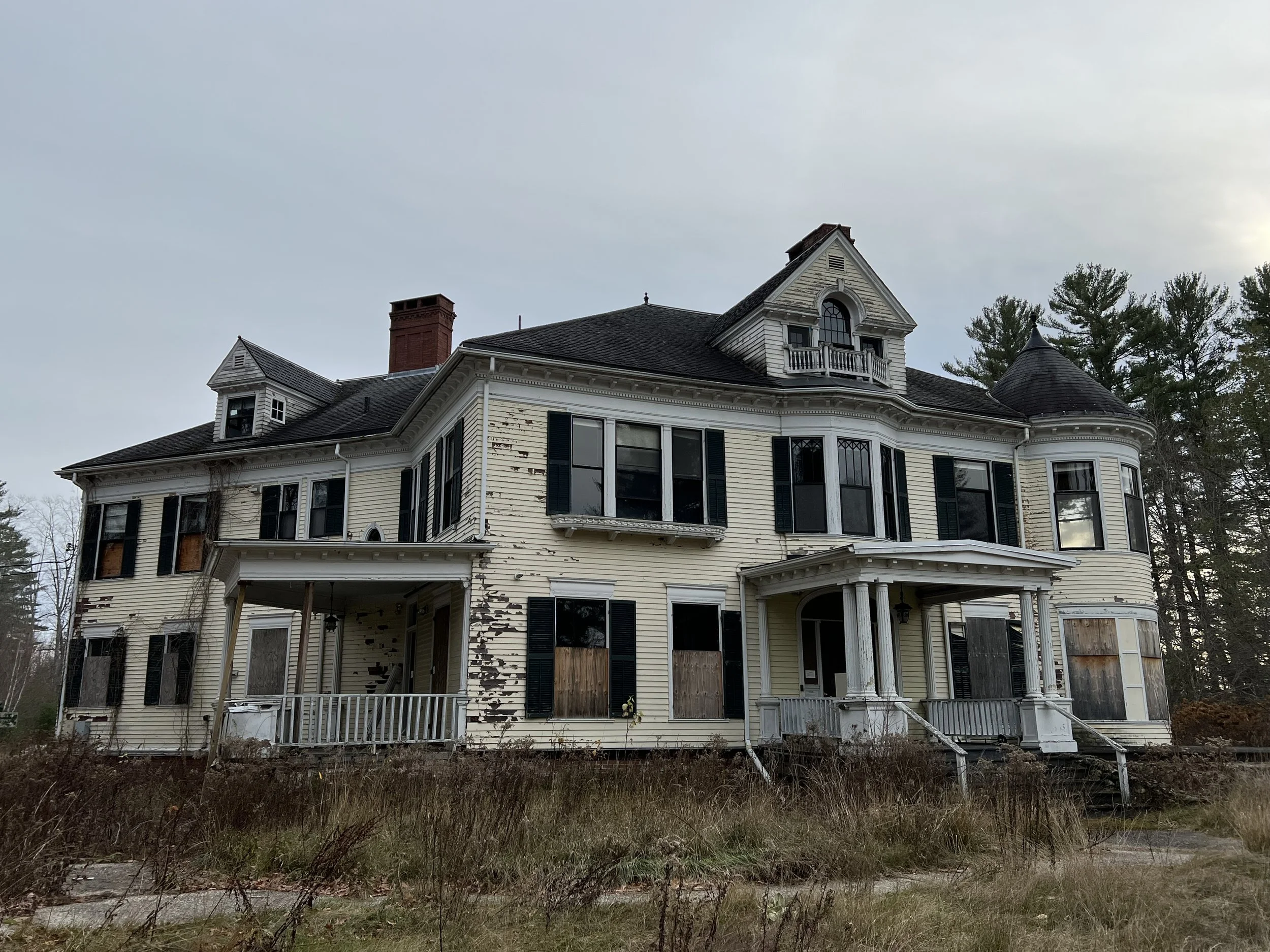
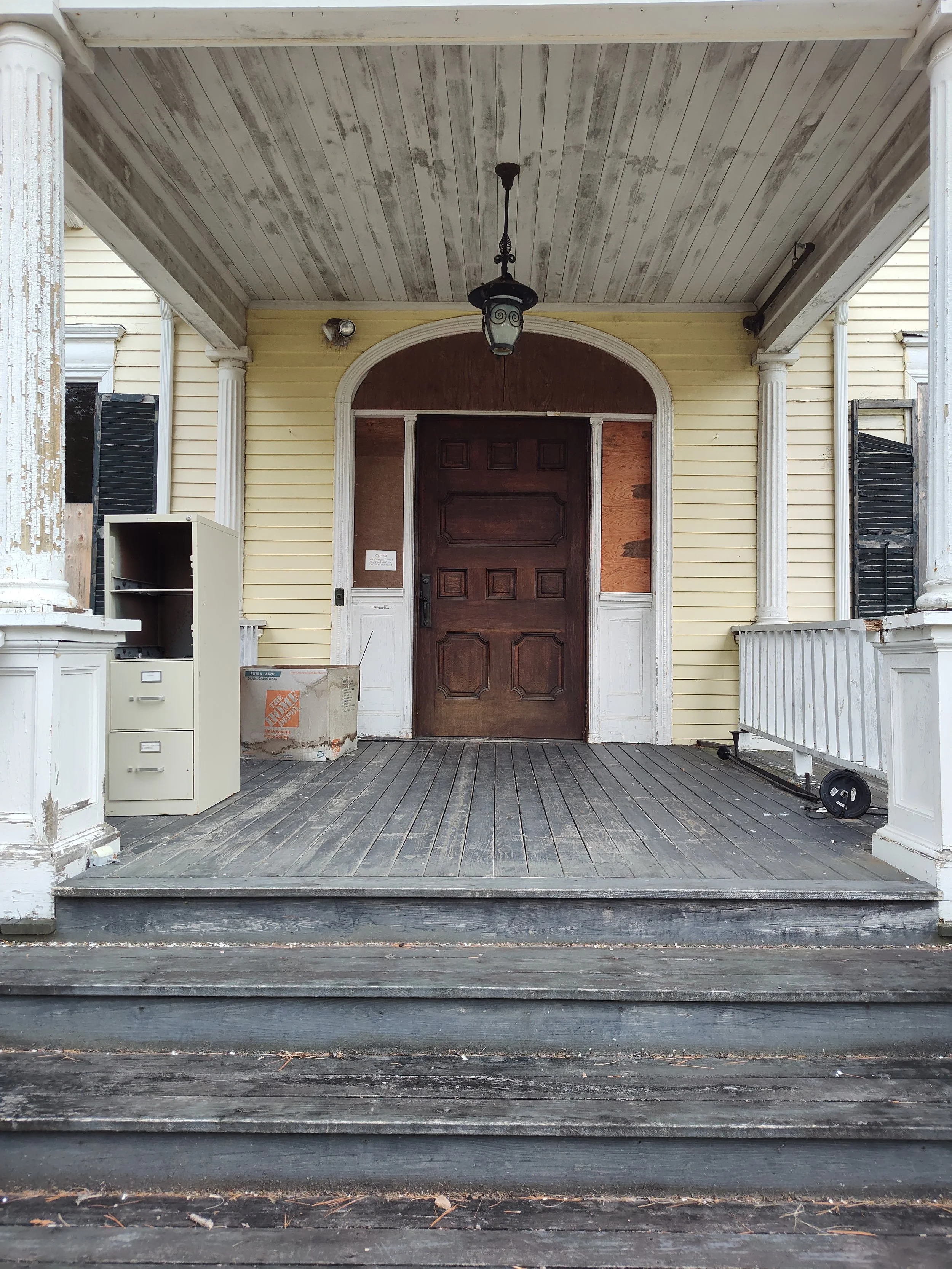
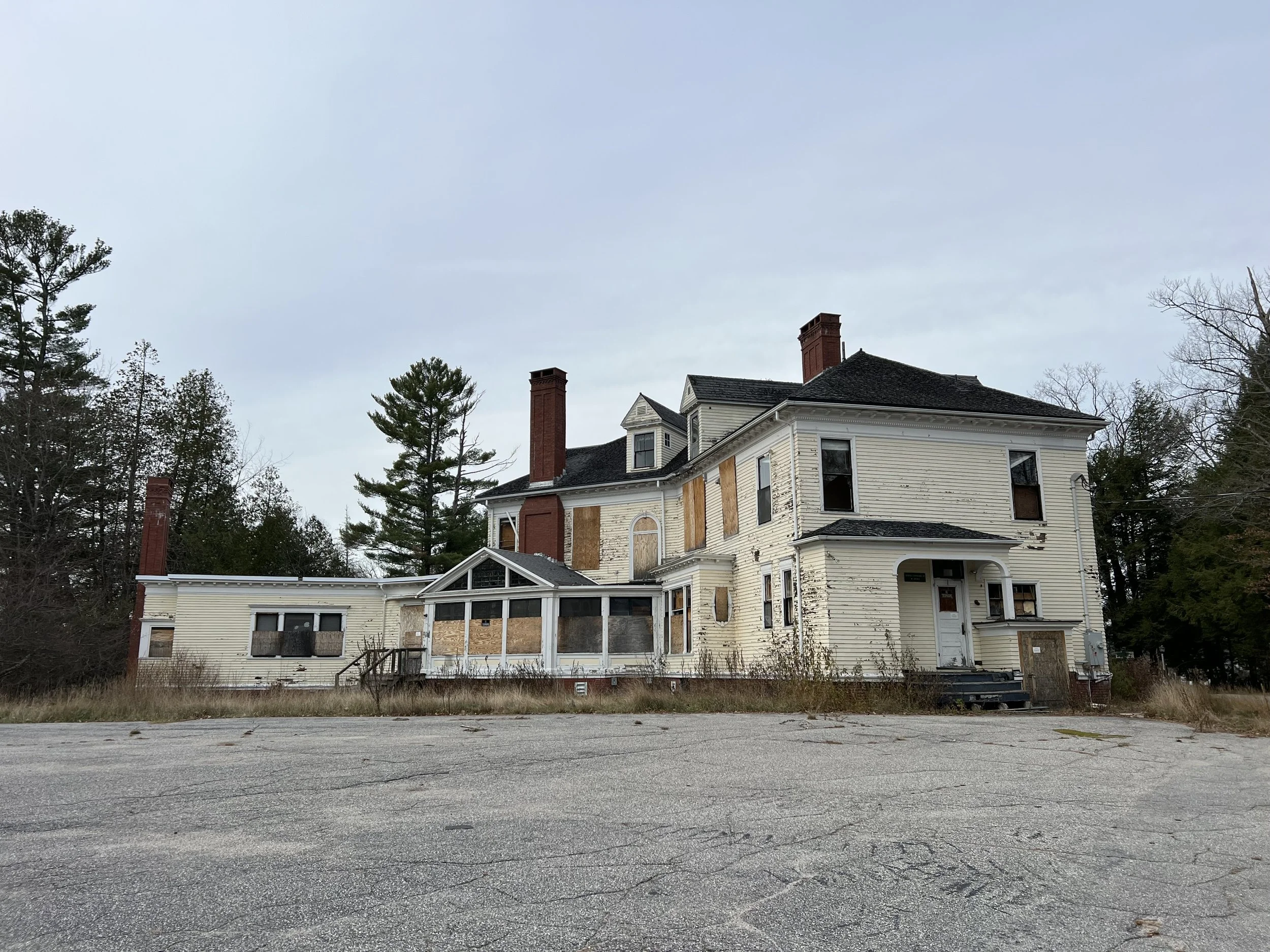
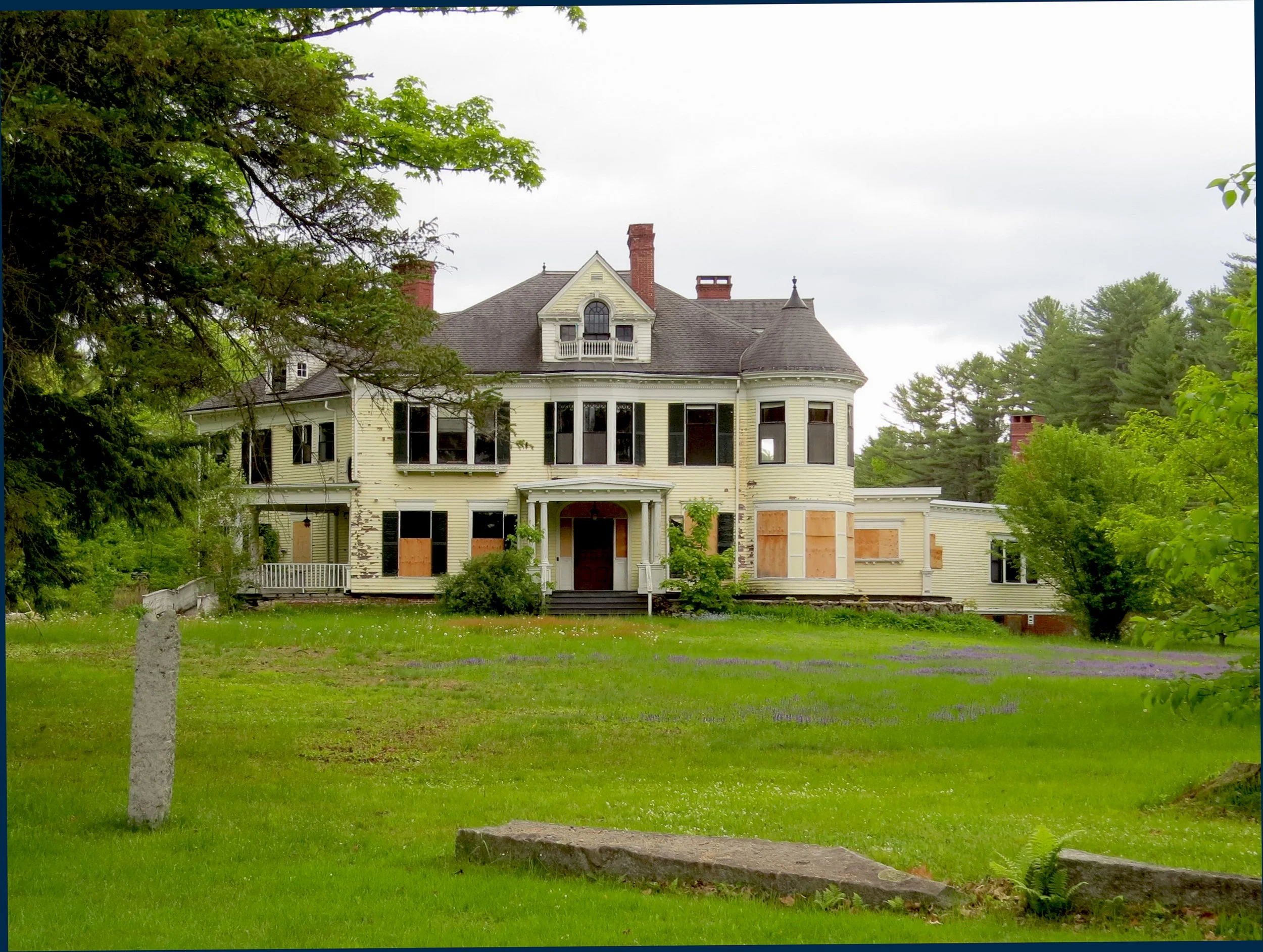
By 2010, the boarded up and deteriorating Gehring House, one of Bethel’s most architecturally significant properties, had become an idle eyesore.
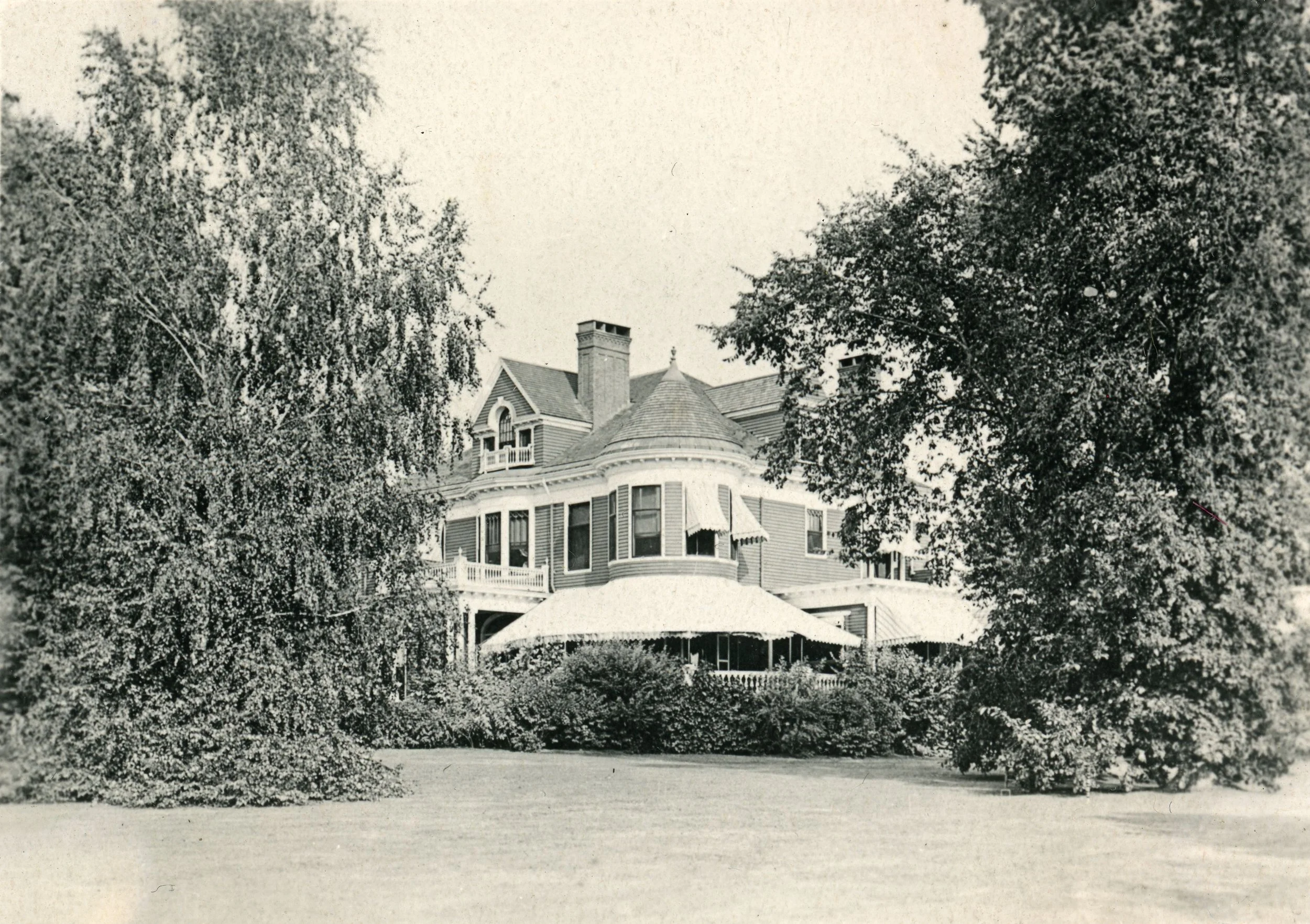
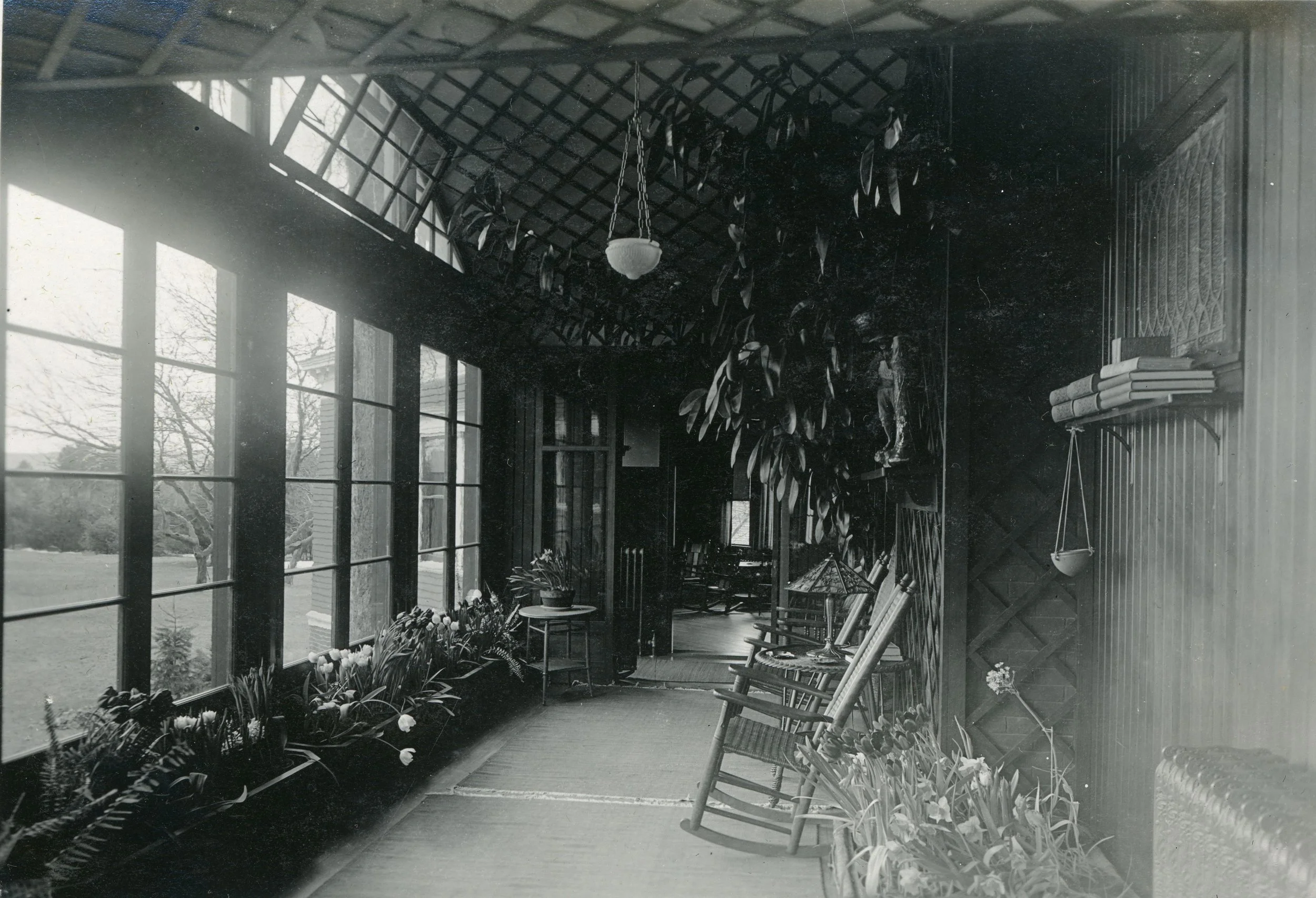
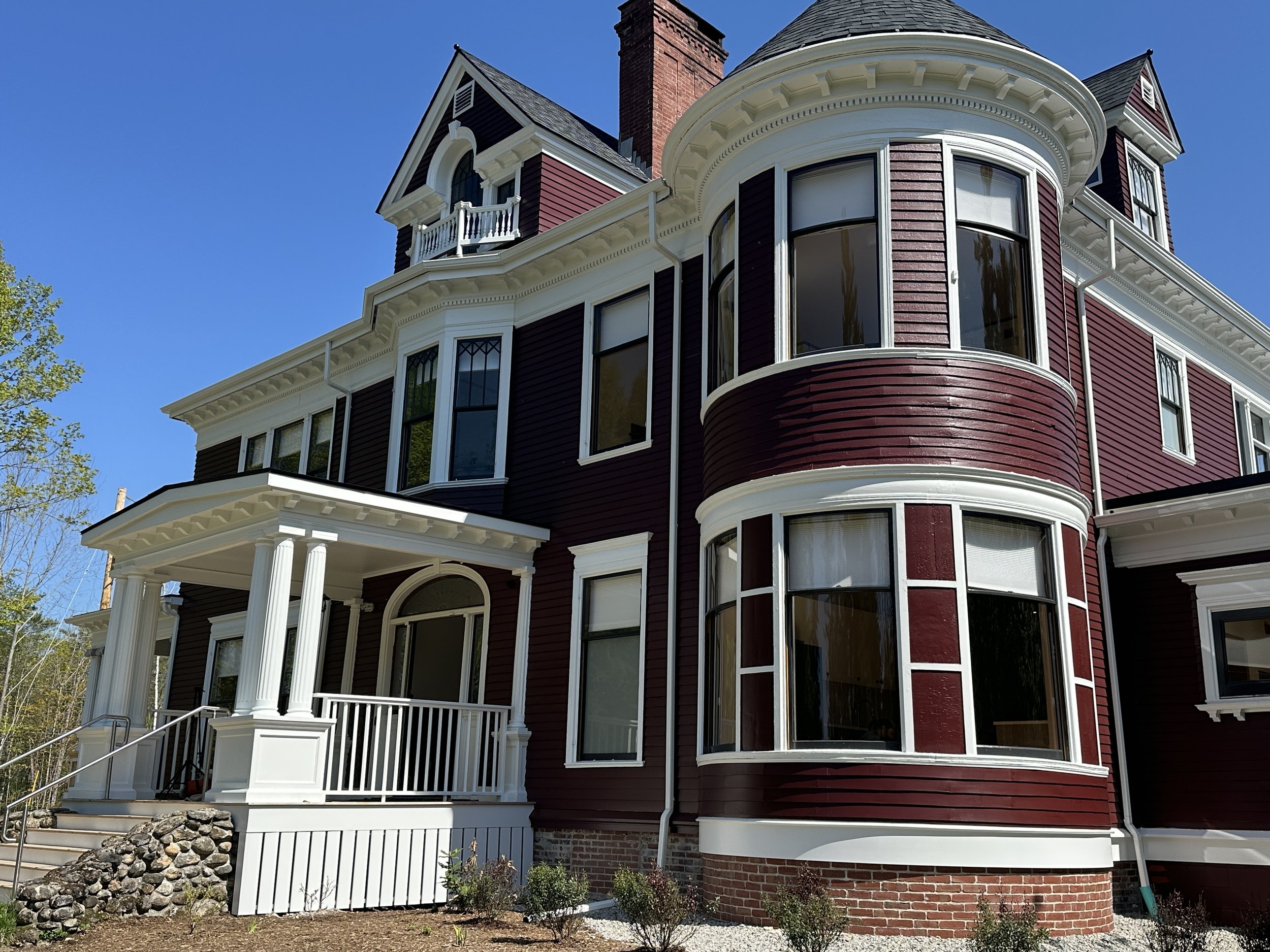
Dr. John George Gehring and Mrs. Marion True Gehring built the house in 1896, designed in the Queen Anne style with an interesting mix of Colonial Revival detailing. It was intended to serve as a clinic for patients seeking treatment for stress, anxiety, depression, and digestive ailments, many of whom were prominent figures in science, academia, government, and industry. Dr. Gehring’s legacy of “therapeutic tourism” was carried on by the building’s next owner, The National Training Laboratories Institute for Applied Behavioral Science, which brought people to Bethel from around the world until its closure in 2006. Several subsequent attempts to redevelop the property failed and pushed the building towards a precipitous decline.
At the same time, Bethel was facing a larger problem. A boom in the short-term rental market and a severe shortage of housing was hindering people from living and working in the same community. The Northern Forest Center, a multi-state nonprofit working to sustainably strengthen local economies in the northern forest region, saw a possible solution with the Gehring House site. The organization purchased the property in 2022 with the goal of creating quality, attainable housing for people who work in the area.
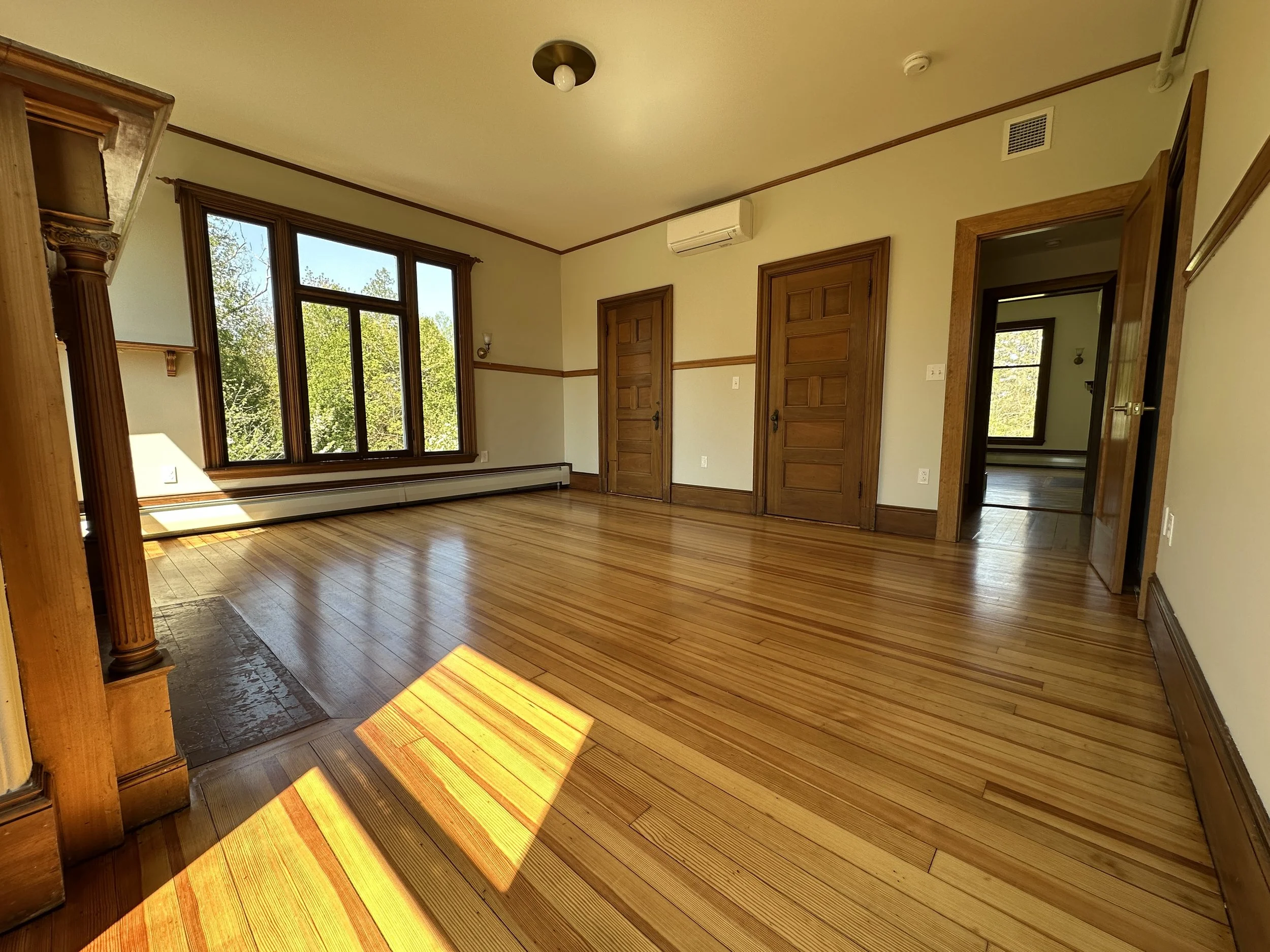
The Gehring House’s majority-wood construction, beautiful hardwood interiors, and outdated systems presented the opportunity for the Northern Forest Center to demonstrate sustainable redevelopment by preserving historic fabric, using local materials, and introducing new energy sources.
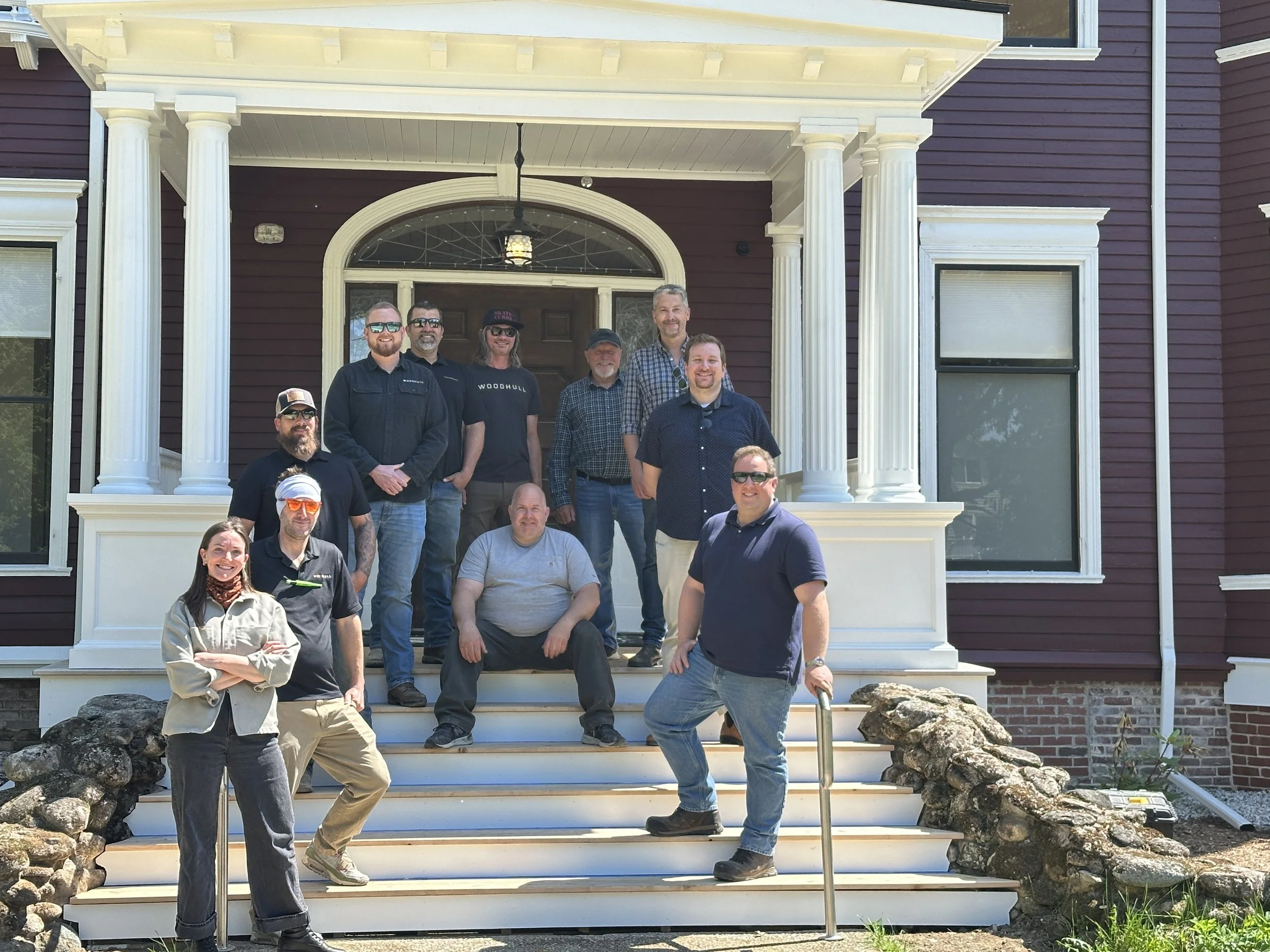
Woodhull, an integrated architecture, construction, and millwork firm based in Portland, was perfectly aligned to lead the rehabilitation, with support from preservation consultant, Margaret Gaertner. The team’s initial assessment found the exterior envelope in a sorry state. The years-long vacancy left broken windows, failing porch supports, and signs of extensive water infiltration that had rotted clapboards and significant sections of sill. But the remarkably intact interior instilled hope.
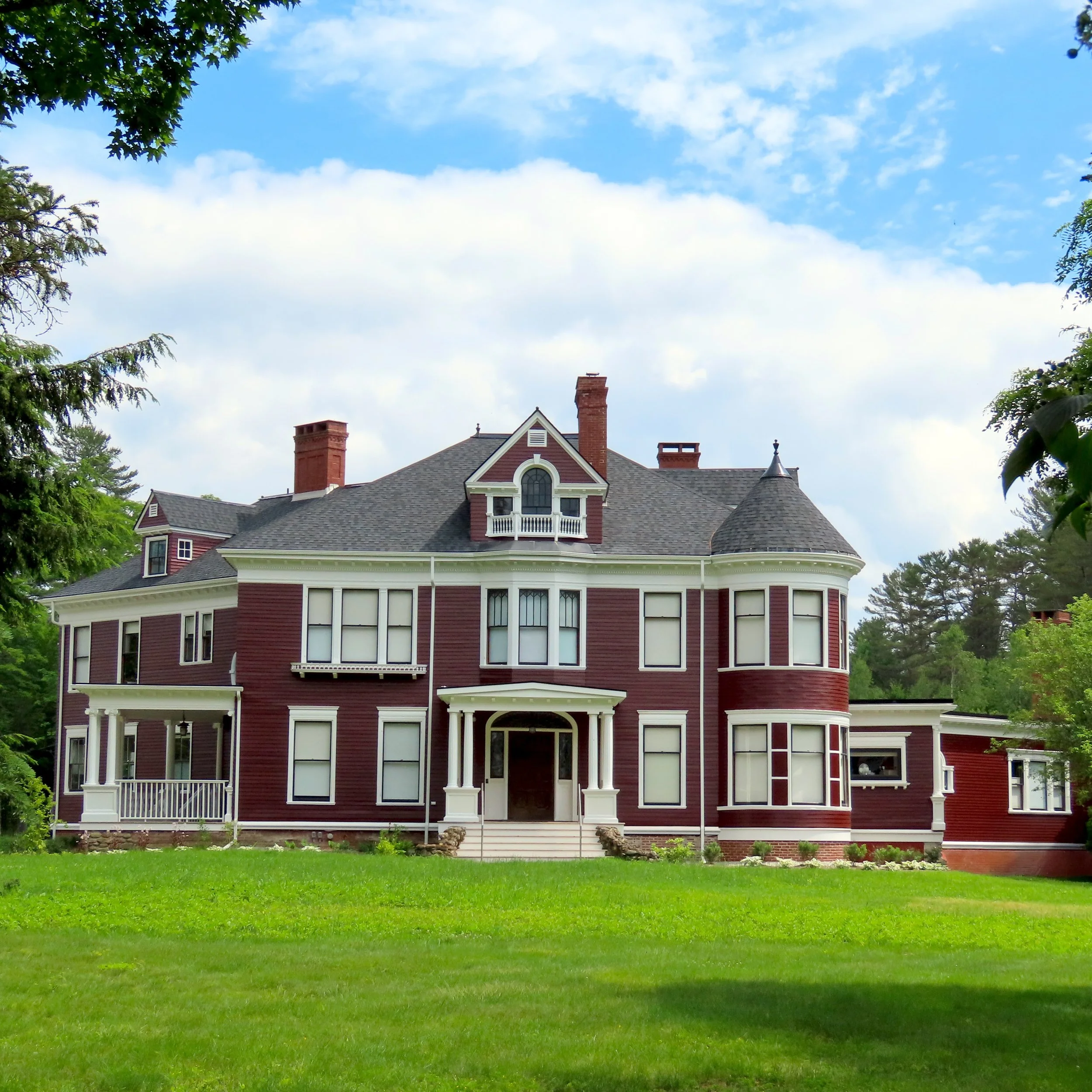
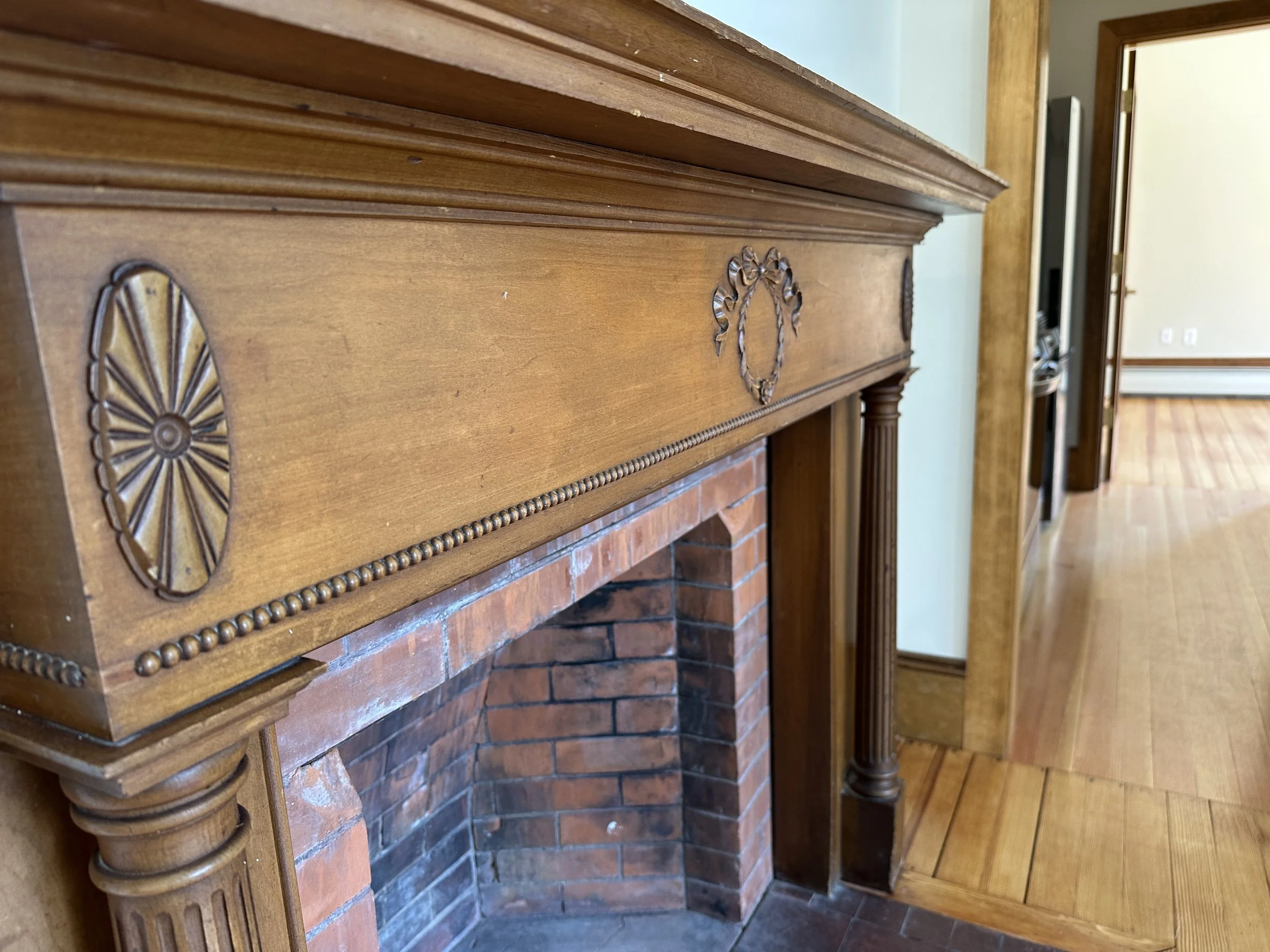
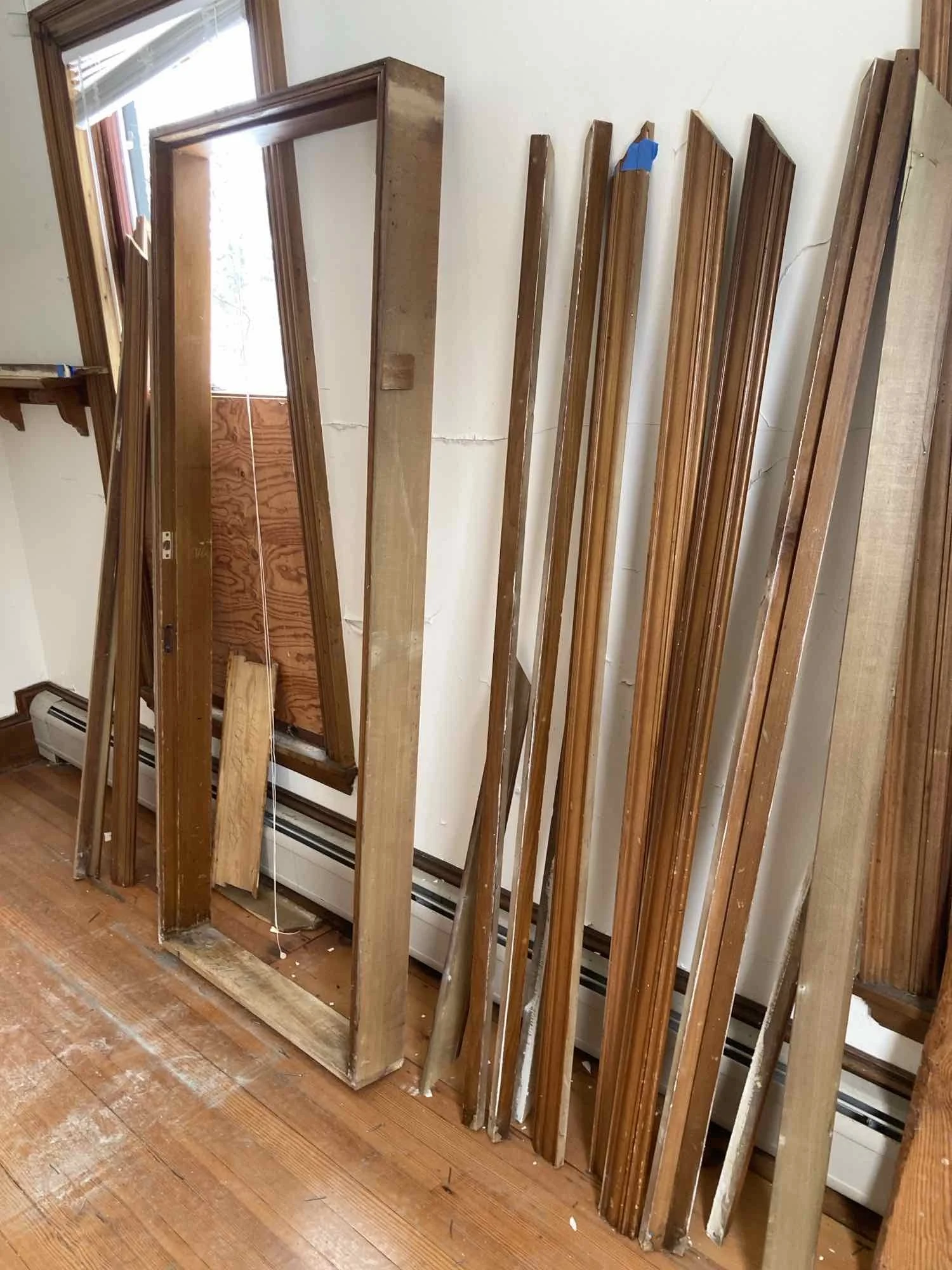
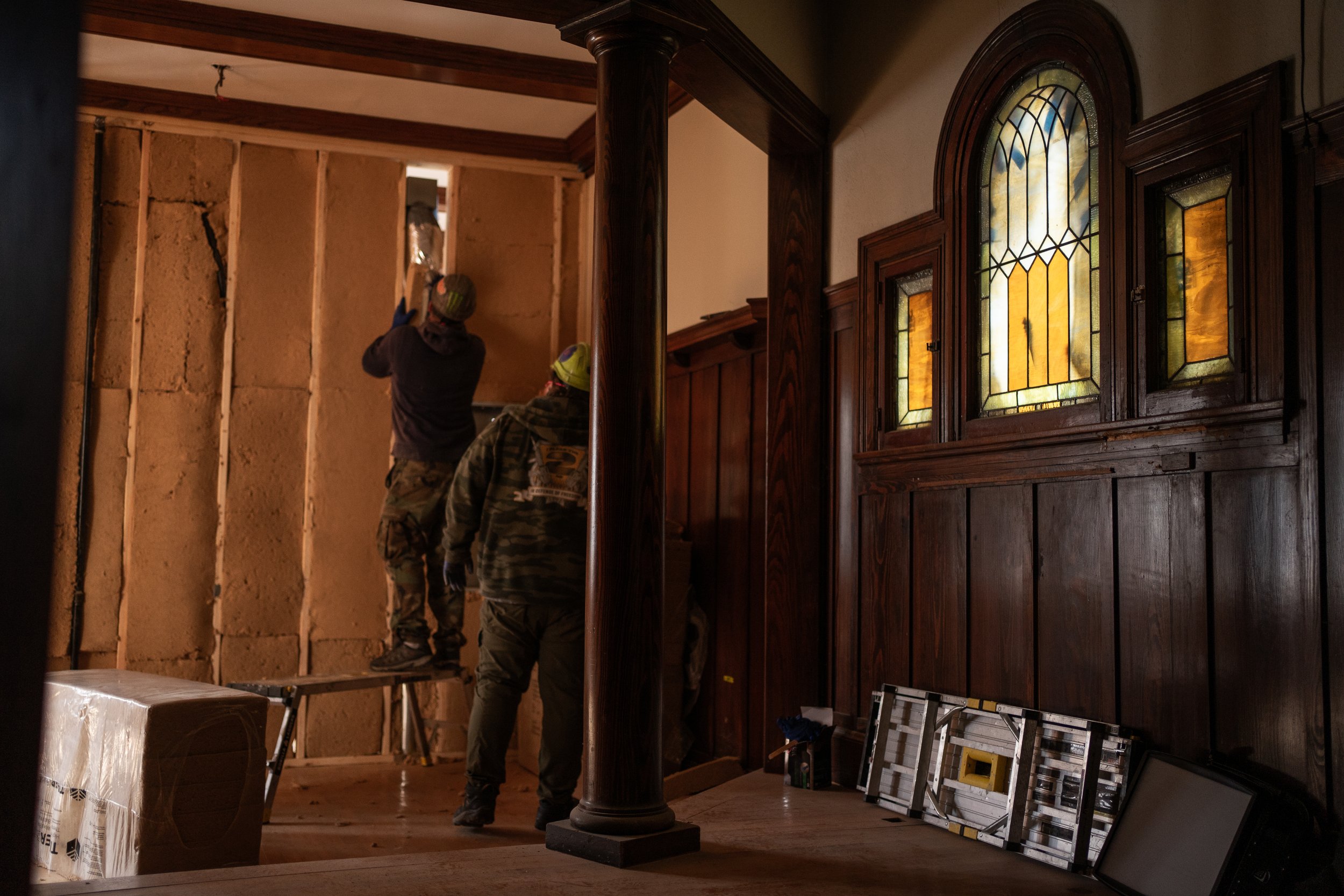
Work commenced to transform the former clinic and retreat into nine, light-filled apartments in 2024. Priority was given to reclaiming existing materials. Doors, trim, and intricate mantels were retained or carefully numbered for reinstallation. The house’s original wood windows were thoughtfully restored and painted black to contrast with the new, deep red façade.
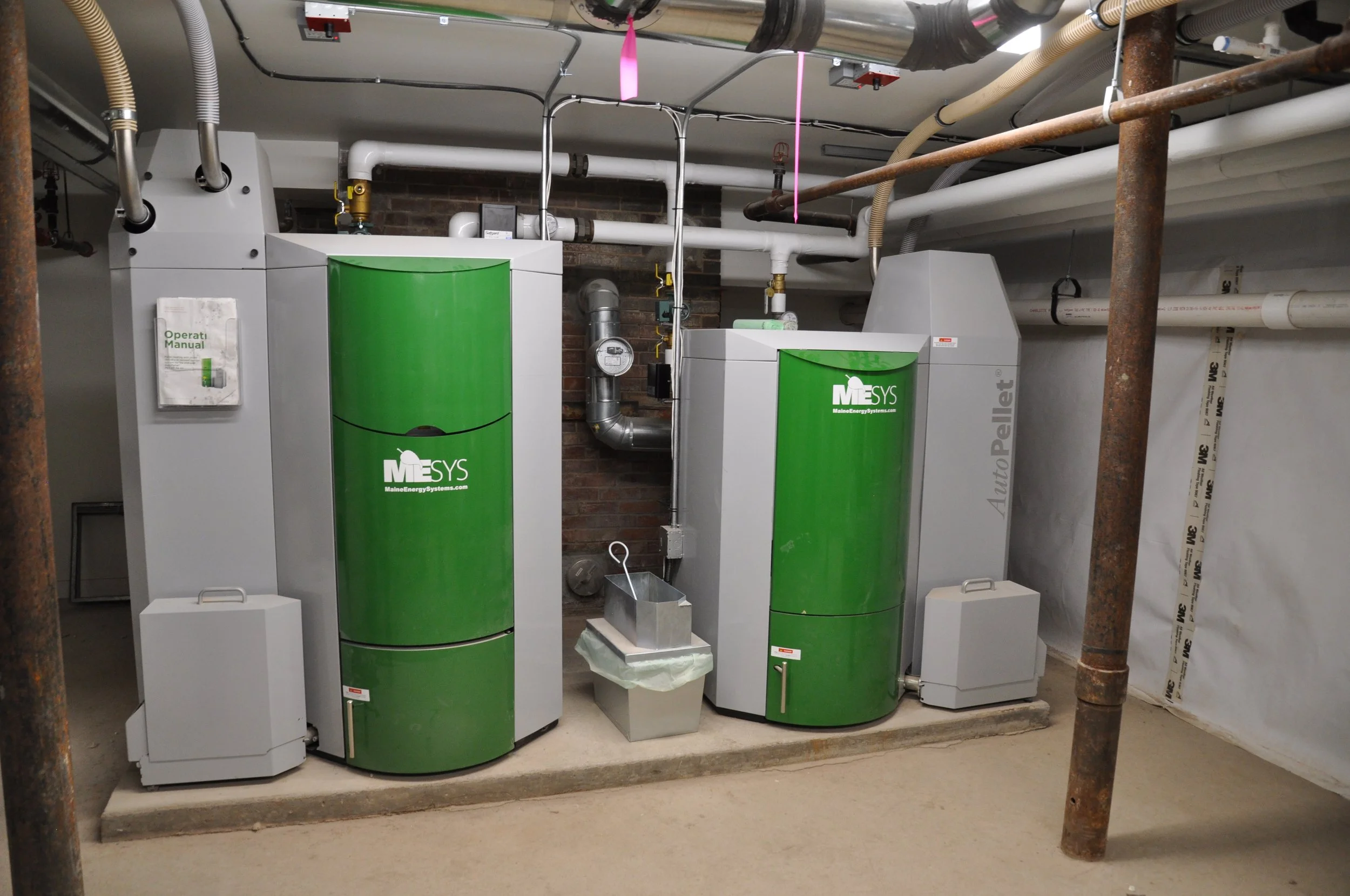
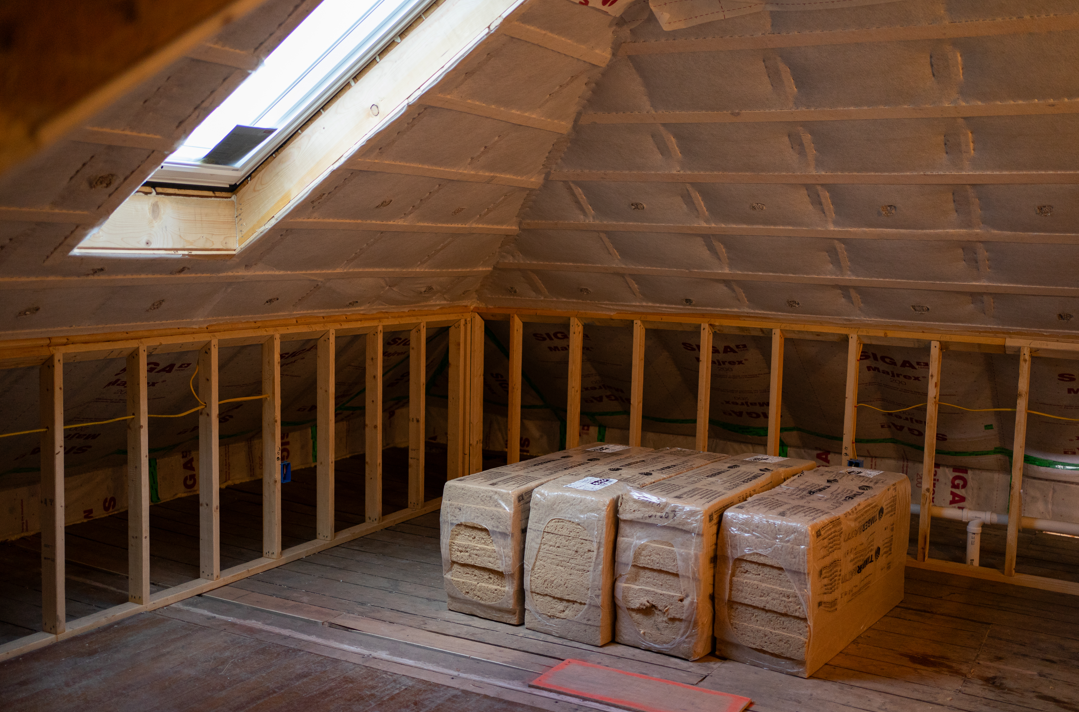
Both traditional and new Maine-based forest products were used. Wood fiber insulation was sourced from Madison-based TimberHP while nearly all the new lumber and pine siding came from Hancock Lumber. The fossil-fuel heating system was scrapped to make way for wood pellet boilers obtained from Maine Energy Systems in Bethel.
The $5.8 million project was funded through diverse sources, including impact investment capital from the Center’s Northern Forest Fund, state and federal historic rehabilitation tax credits, and charitable donations. Lead funders included the U.S. Forest Service, The 1772 Foundation in partnership with Maine Preservation, the William Bingham Foundation, Thomas W. Haas Foundation, Betterment Fund, and Maine Timberlands Charitable Trust.
The Gehring House now blends history and innovation, with a small carbon footprint and a big boost to Bethel.
Project Participants:
Northern Forest Center
Woodhull
Northern Forest Futures
Margaret Gaertner
Photo Credits: Bethel Historical Society, Scott Hanson, Northern Forest Center
