
Augusta


Story
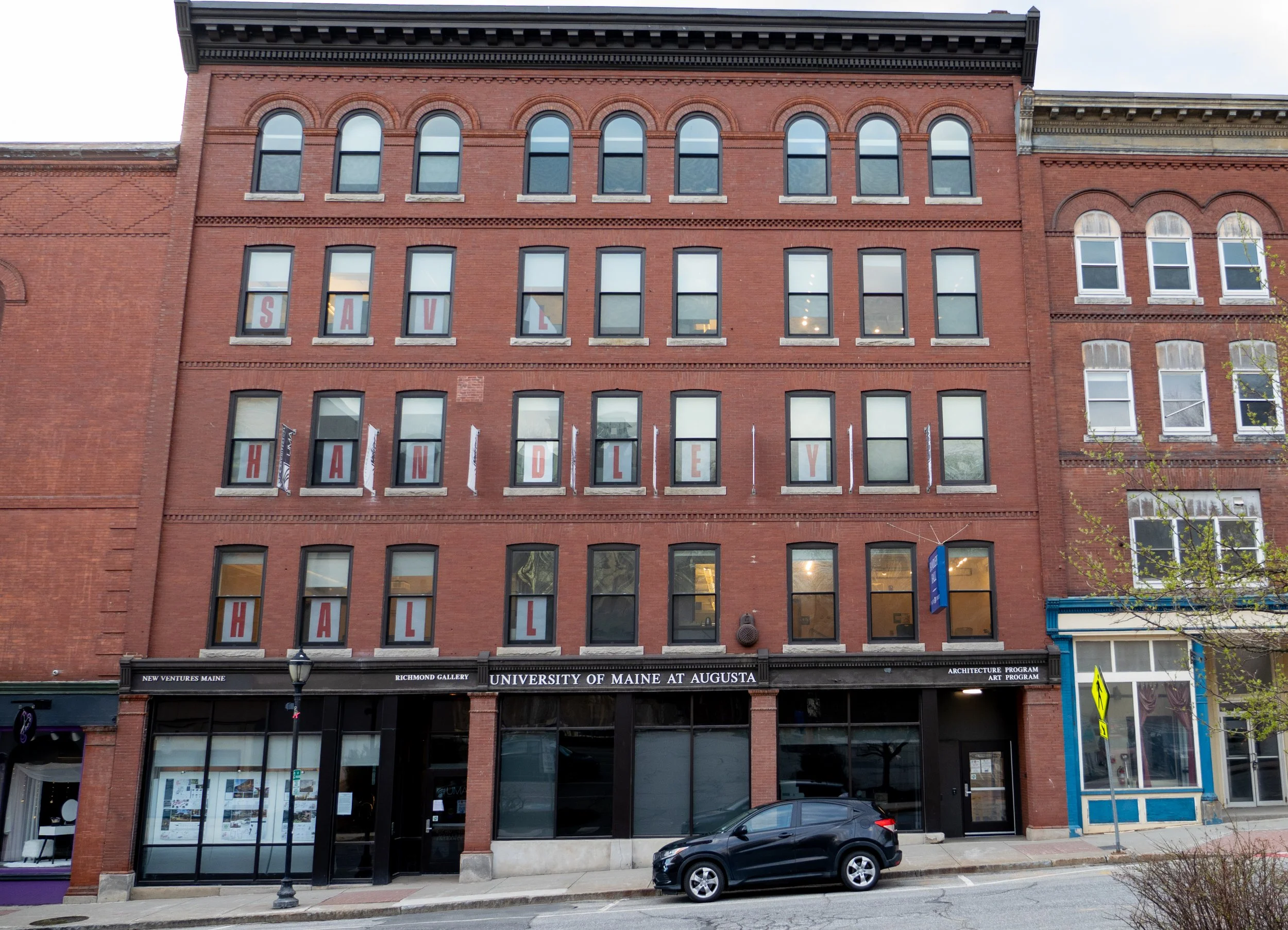
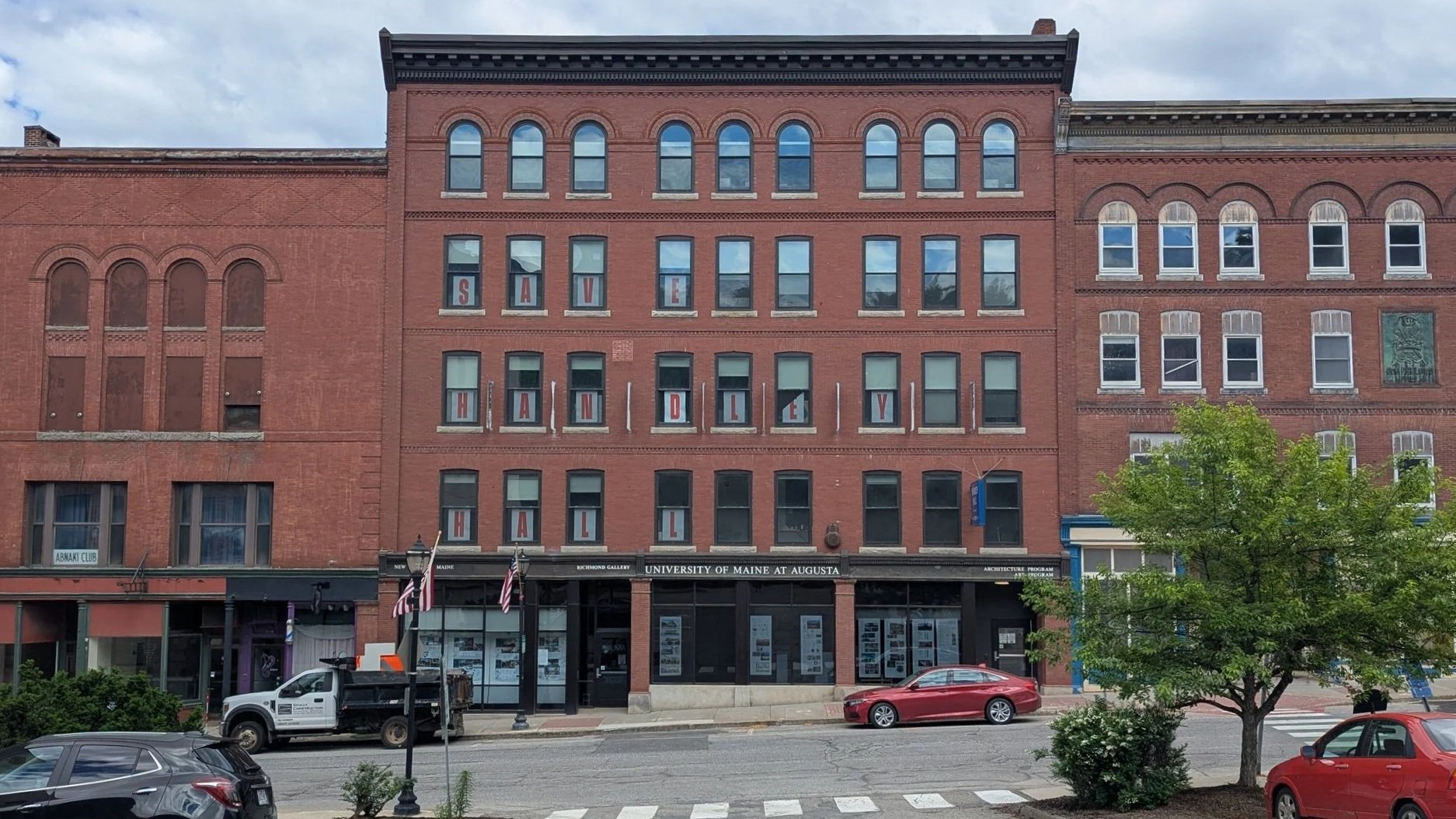
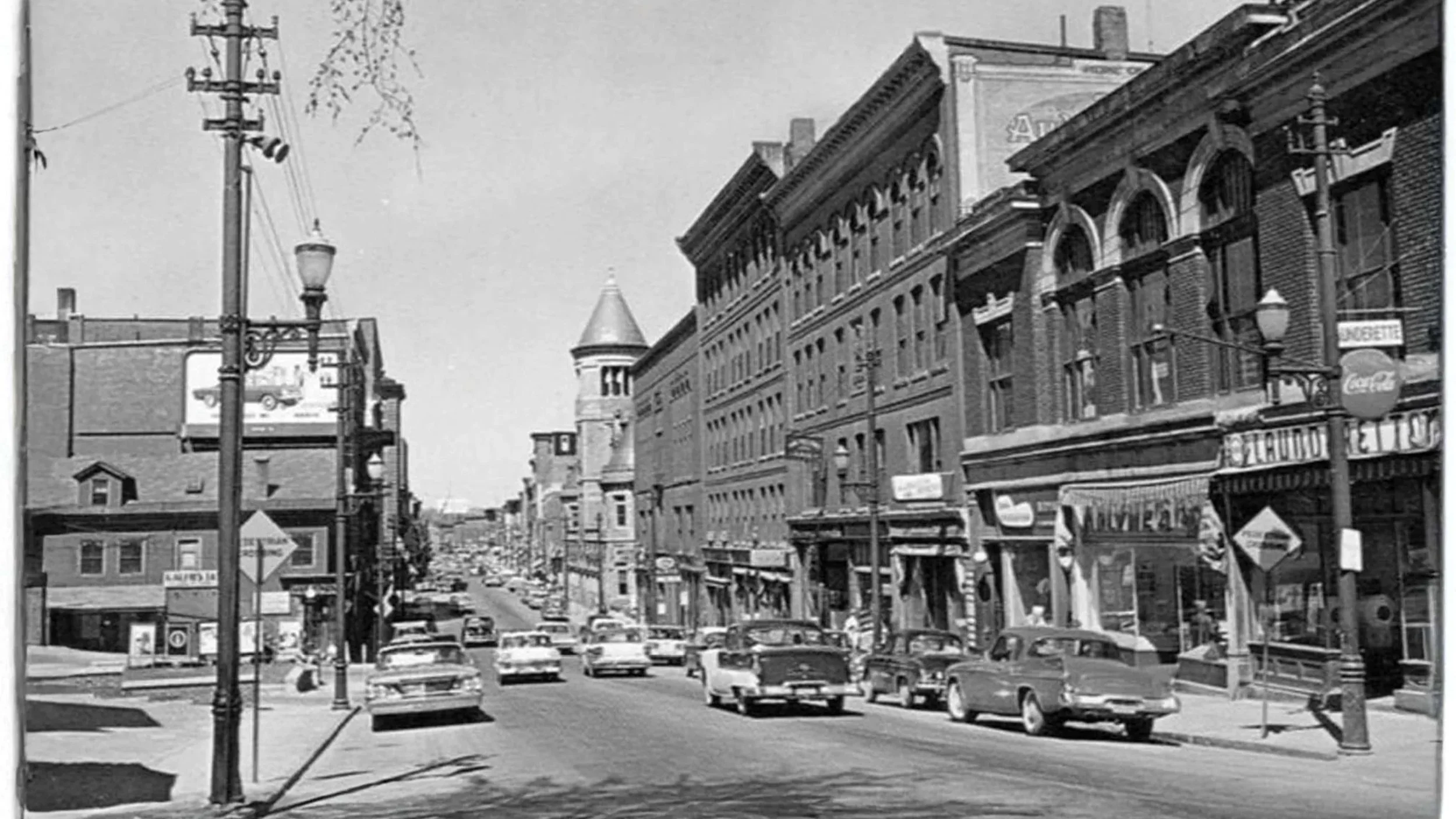
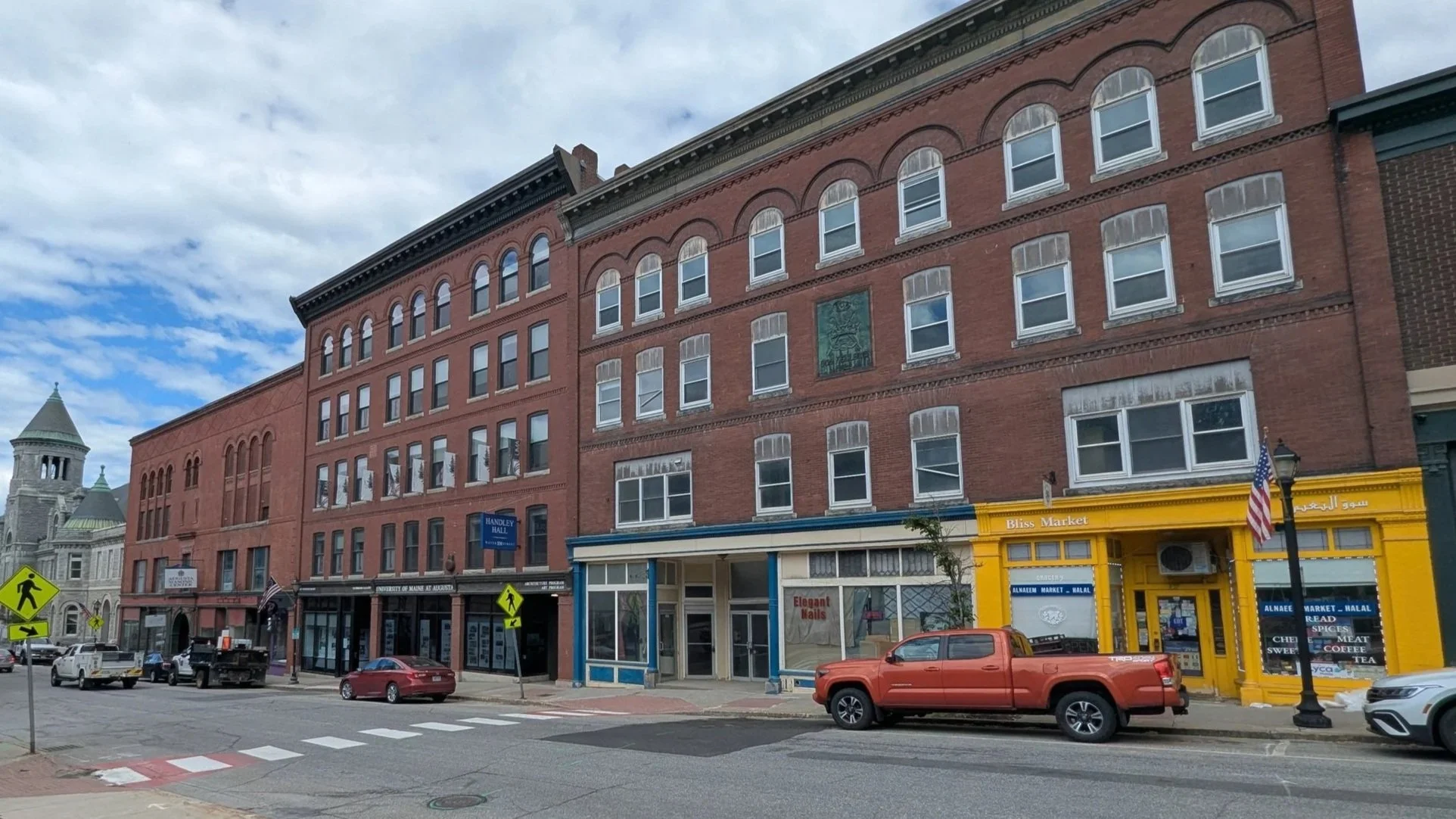
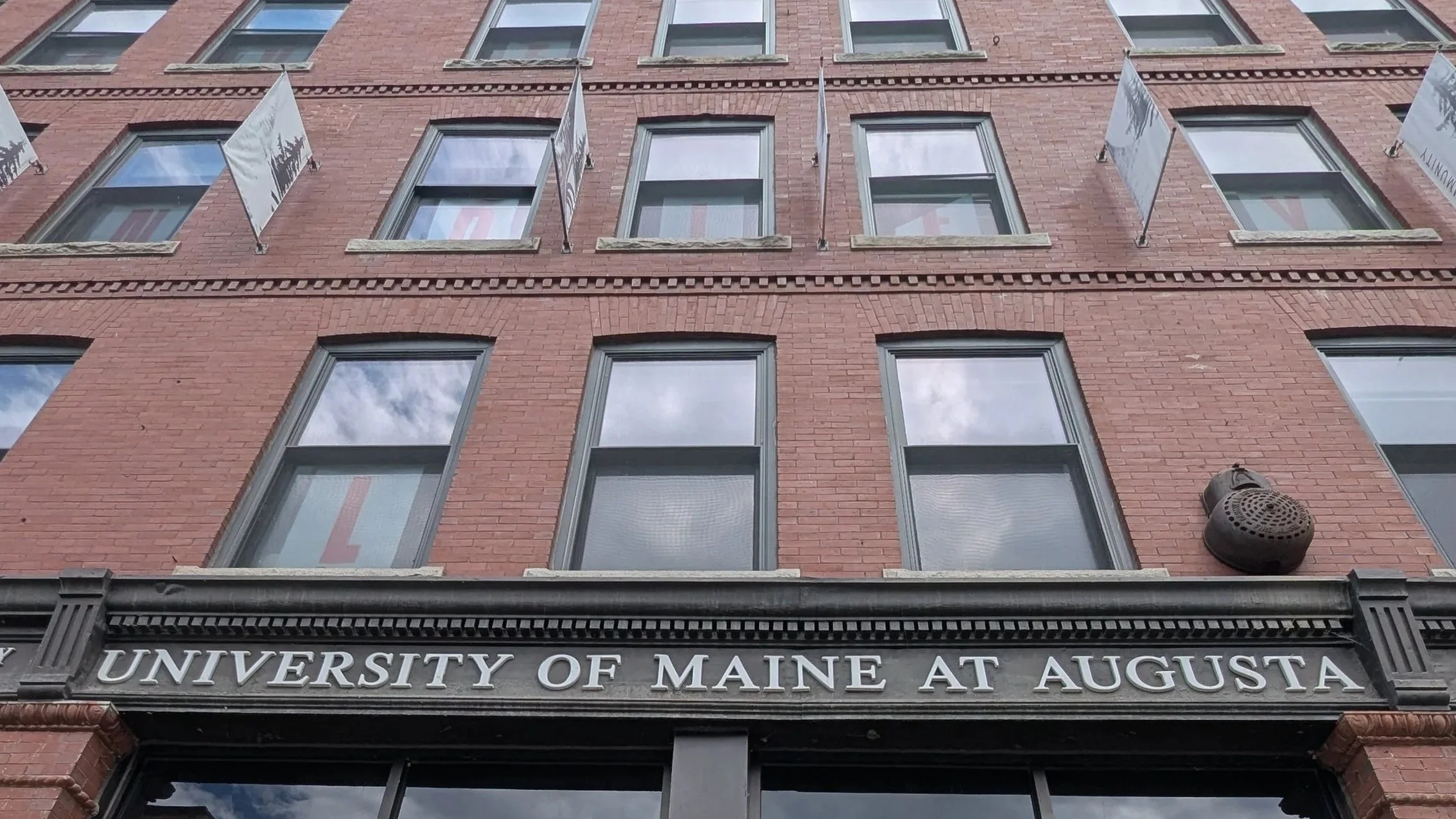
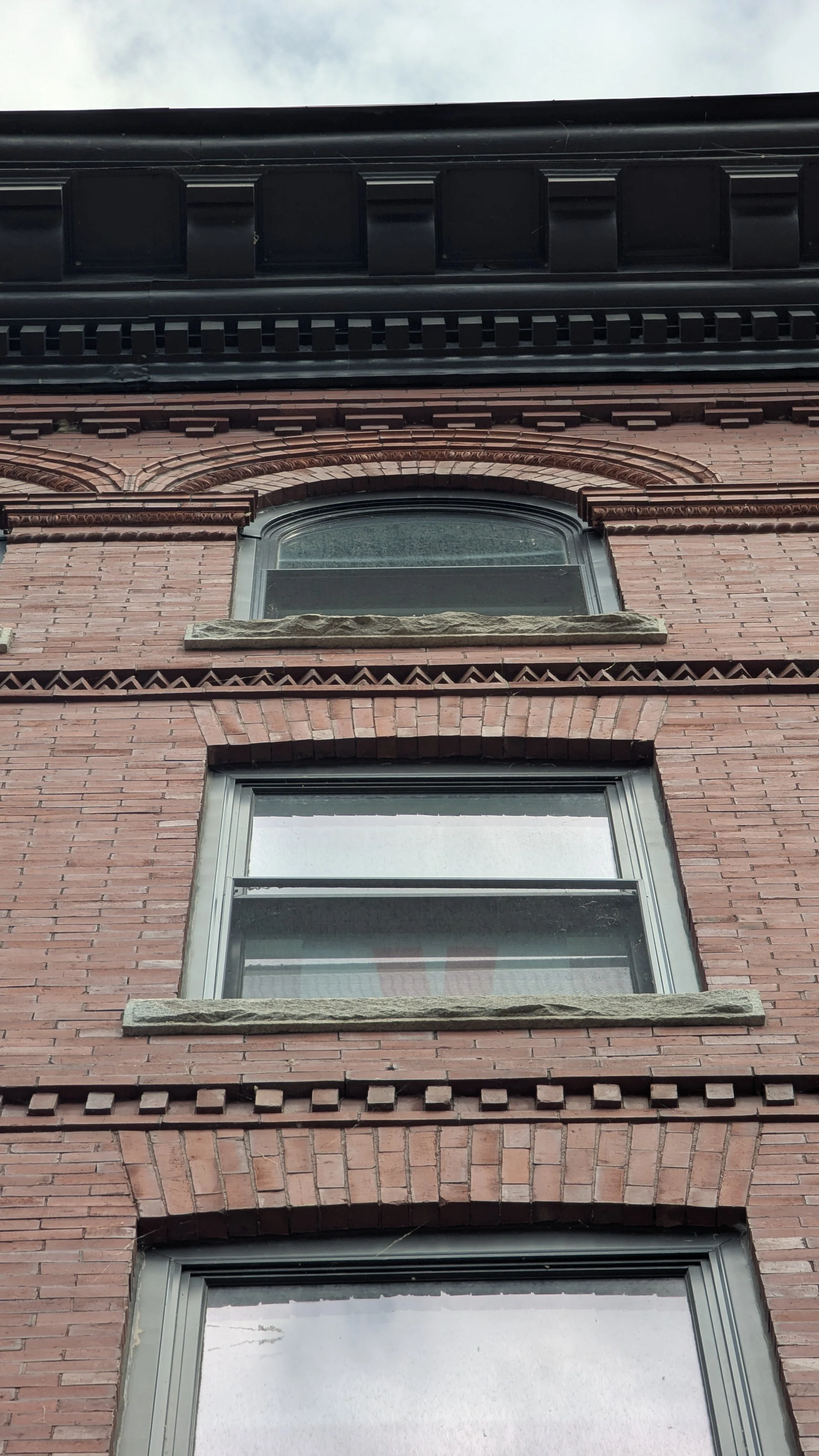
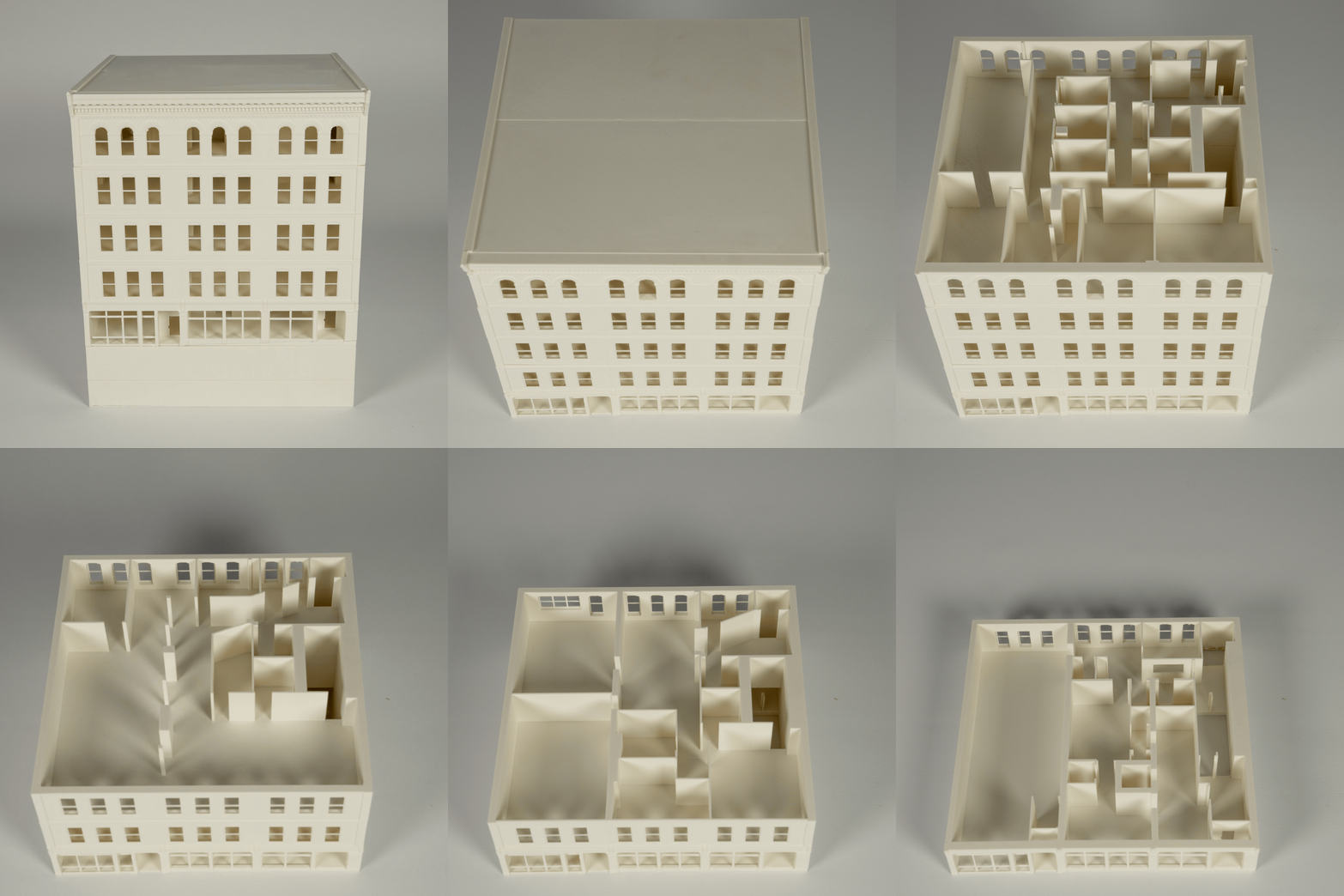
Architect Arthur G. Wing is credited with designing the five-story, Renaissance Revival-style building now known as Handley Hall. The red brick building with granite trim was completed in 1899 for use as the headquarters of the Kennebec Journal. Following the paper’s relocation in the early 20th century, the ground floor transitioned into retail and the upper floors into offices. Handley Hall is one of downtown Augusta's most prominent examples of Renaissance Revival architecture. It has anchored the south end of Augusta’s Water Street for over a century and earned its listing in the National Register of Historic Places for both its architectural character and its deep association with the city’s civic and cultural life.
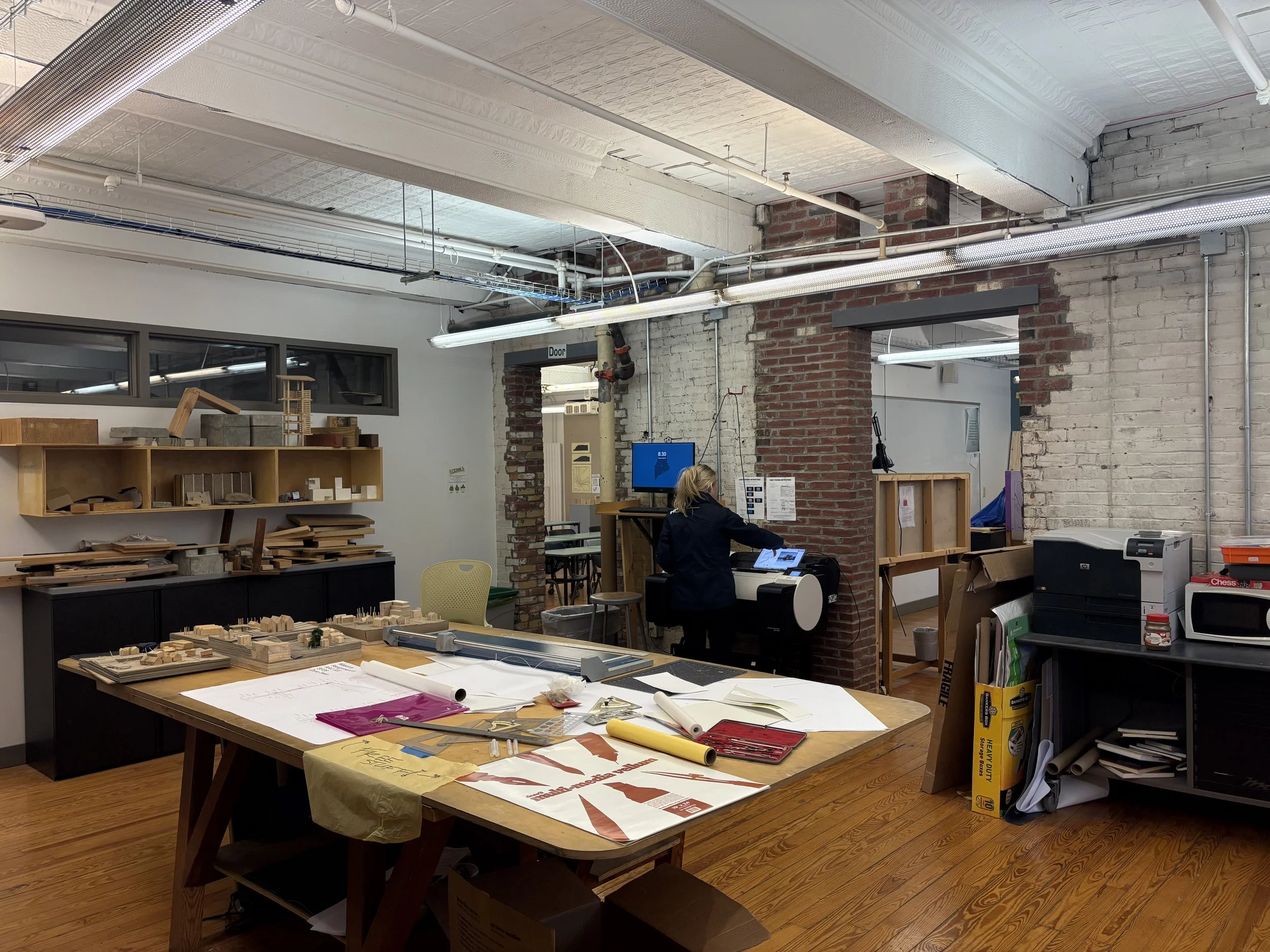
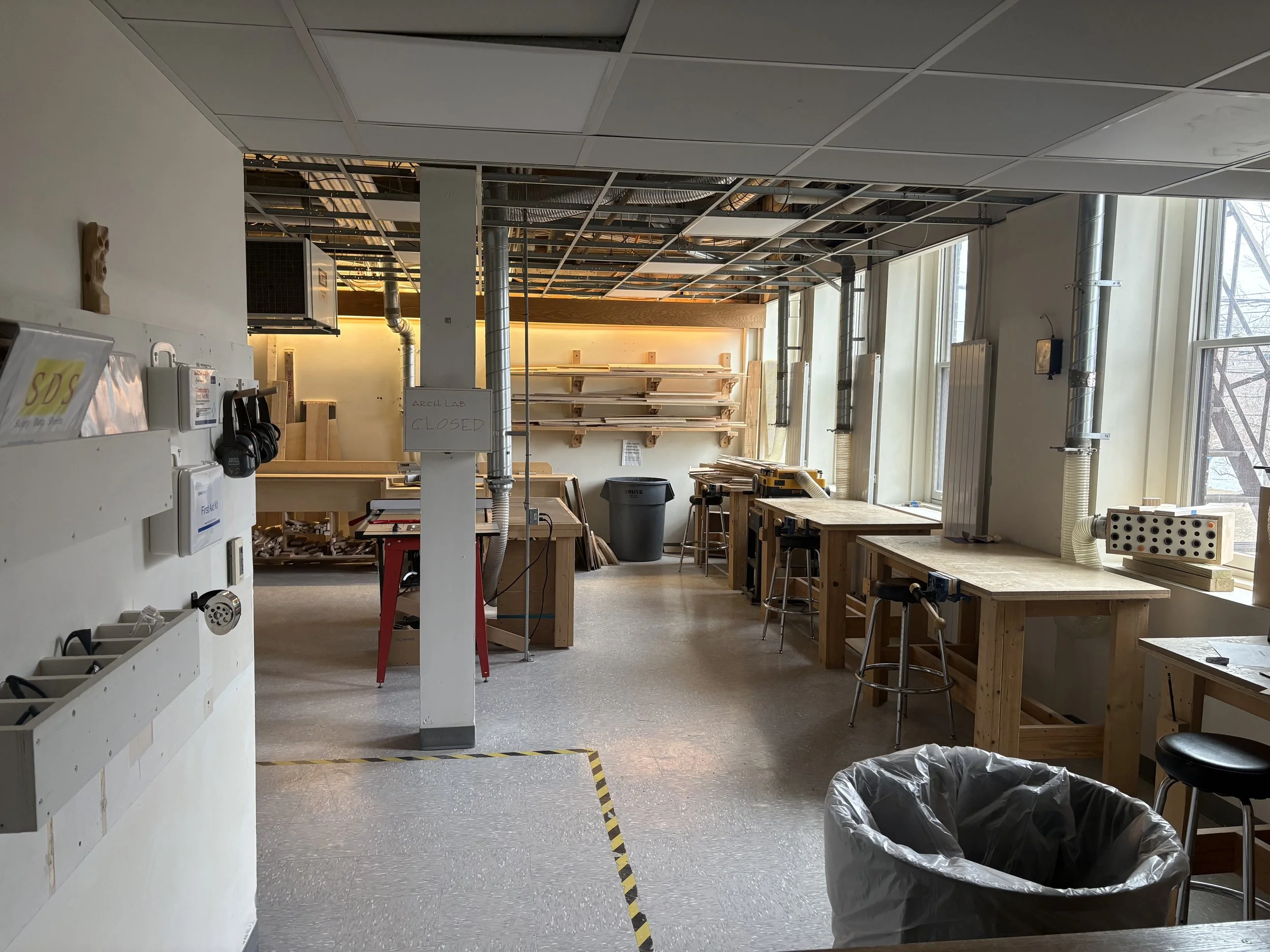
Since 2010, Handley Hall has served as the home of the University of Maine at Augusta's (UMA) Architecture Program, the only public, NAAB-accredited five-year architecture program in New England. The building was donated to UMA by Portland-based developer Richard McGoldrick, renovated expressly for use by the program, and received a perfect score as a program facility from its national accrediting body in 2022.
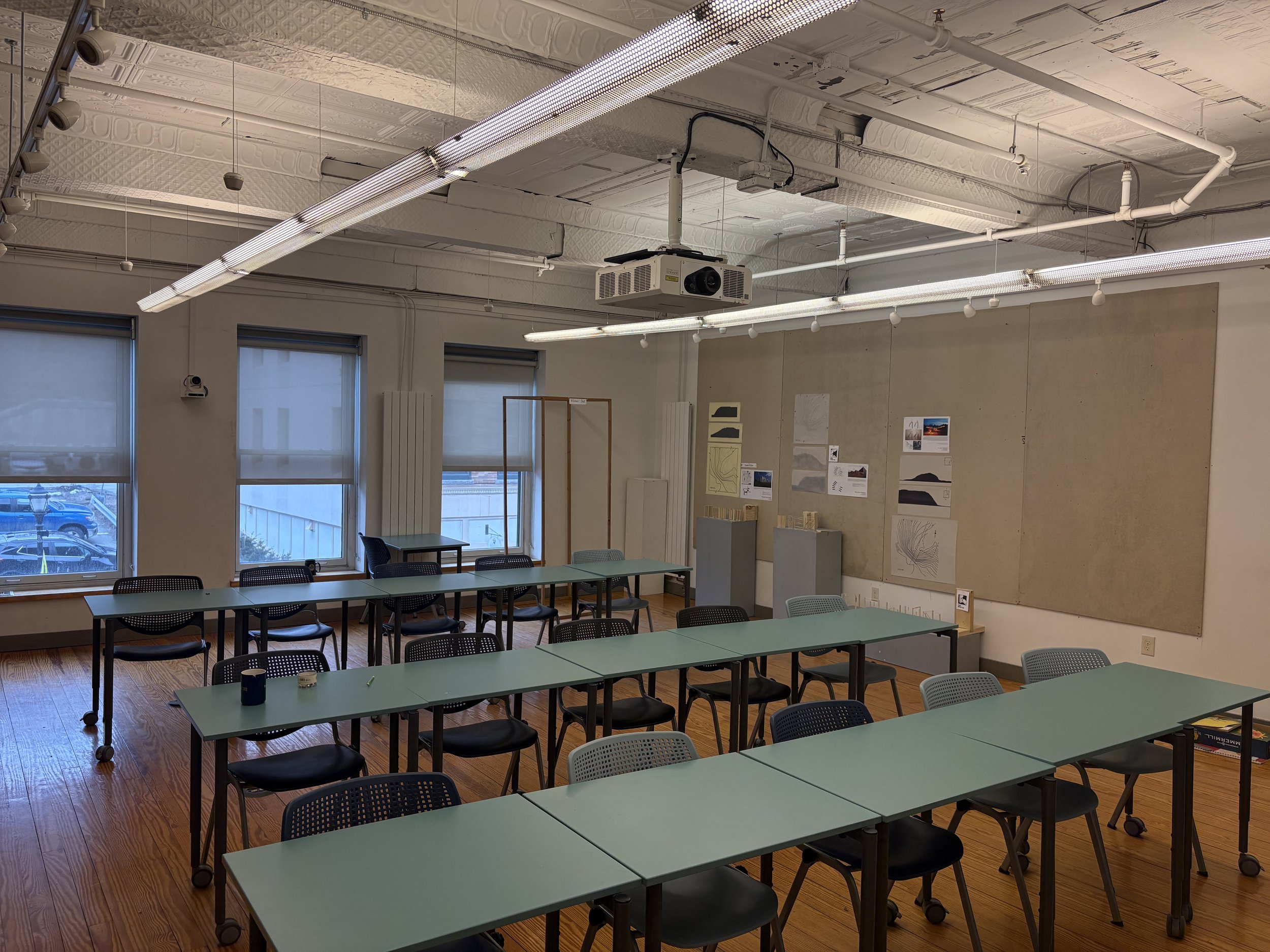
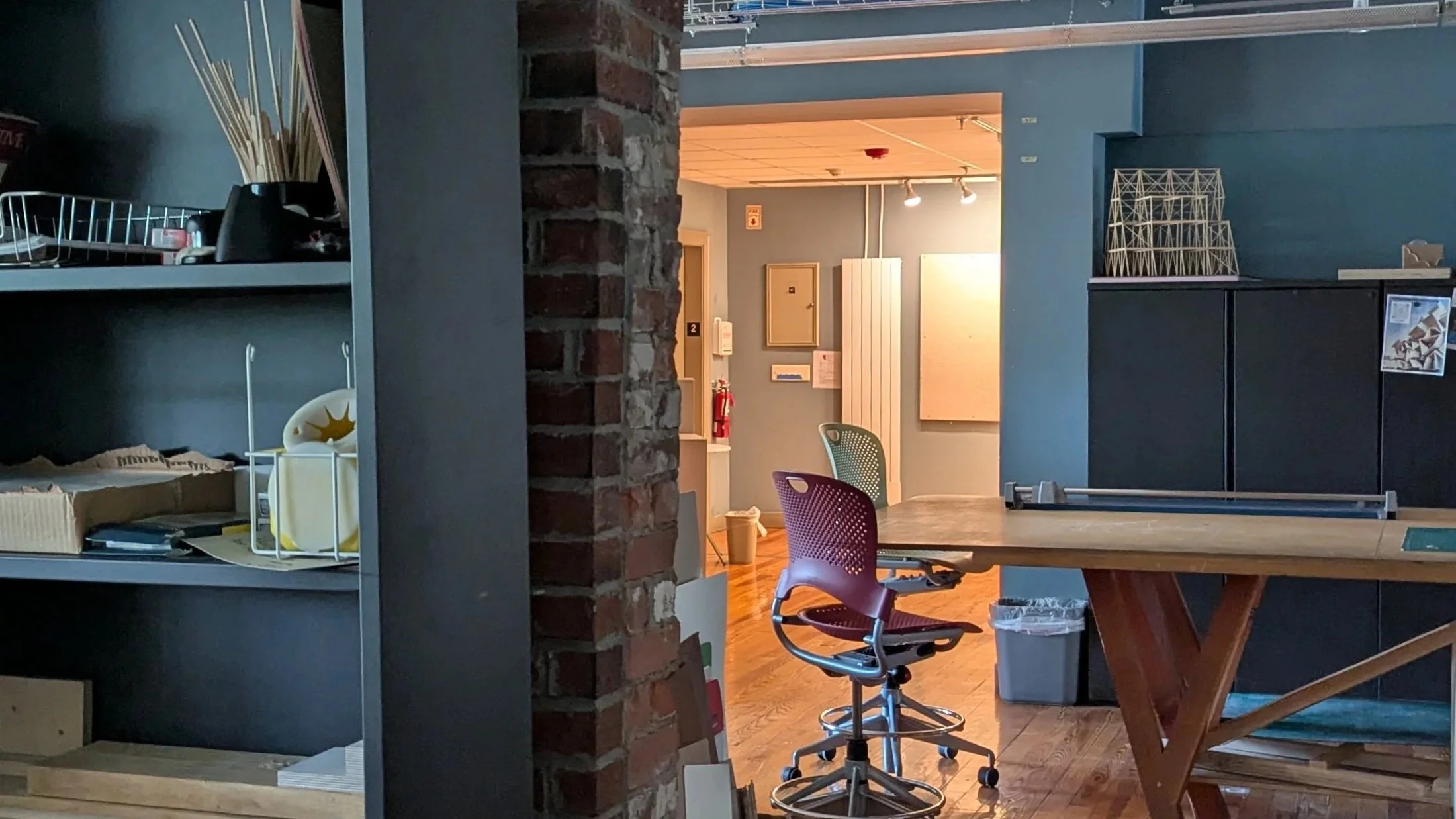
As both a historic building and a component of a larger historic urban environment, Handley Hall functions as a living laboratory for architectural education.
Threat
Citing the costs of repairs and ongoing maintenance, the University of Maine System (UMS) proposed relocating the Architecture Program as soon as the 2026–27 academic year. However, a replacement facility had yet to be identified, and estimates show that the cost of relocating a studio-based, fabrication-intensive program would far exceed the cost of maintaining the purpose-built studios. Faculty have warned that the move puts the program’s NAAB accreditation at risk, which casts a shadow on prospective student recruitment.
Opponents of the proposal are particularly alarmed by how the decision was made: a closed-door conversation without consulting faculty, staff, or students. In response, the UMA Faculty Senate passed a vote of no confidence in the president this spring. The administration put the proposal on pause this summer, and is now in discussions with the program stakeholders to consider all options, one of which includes remaining in Handley Hall.
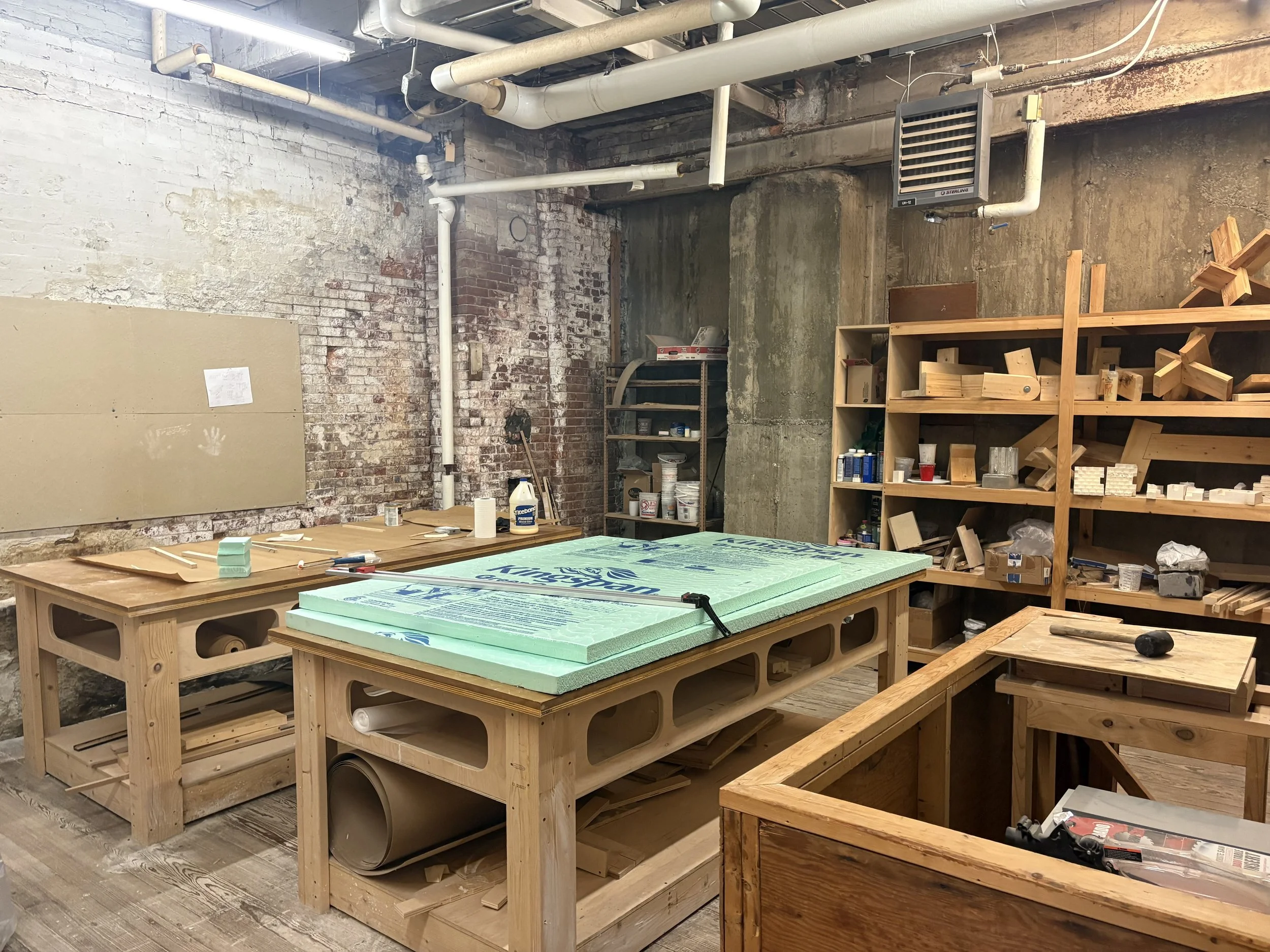
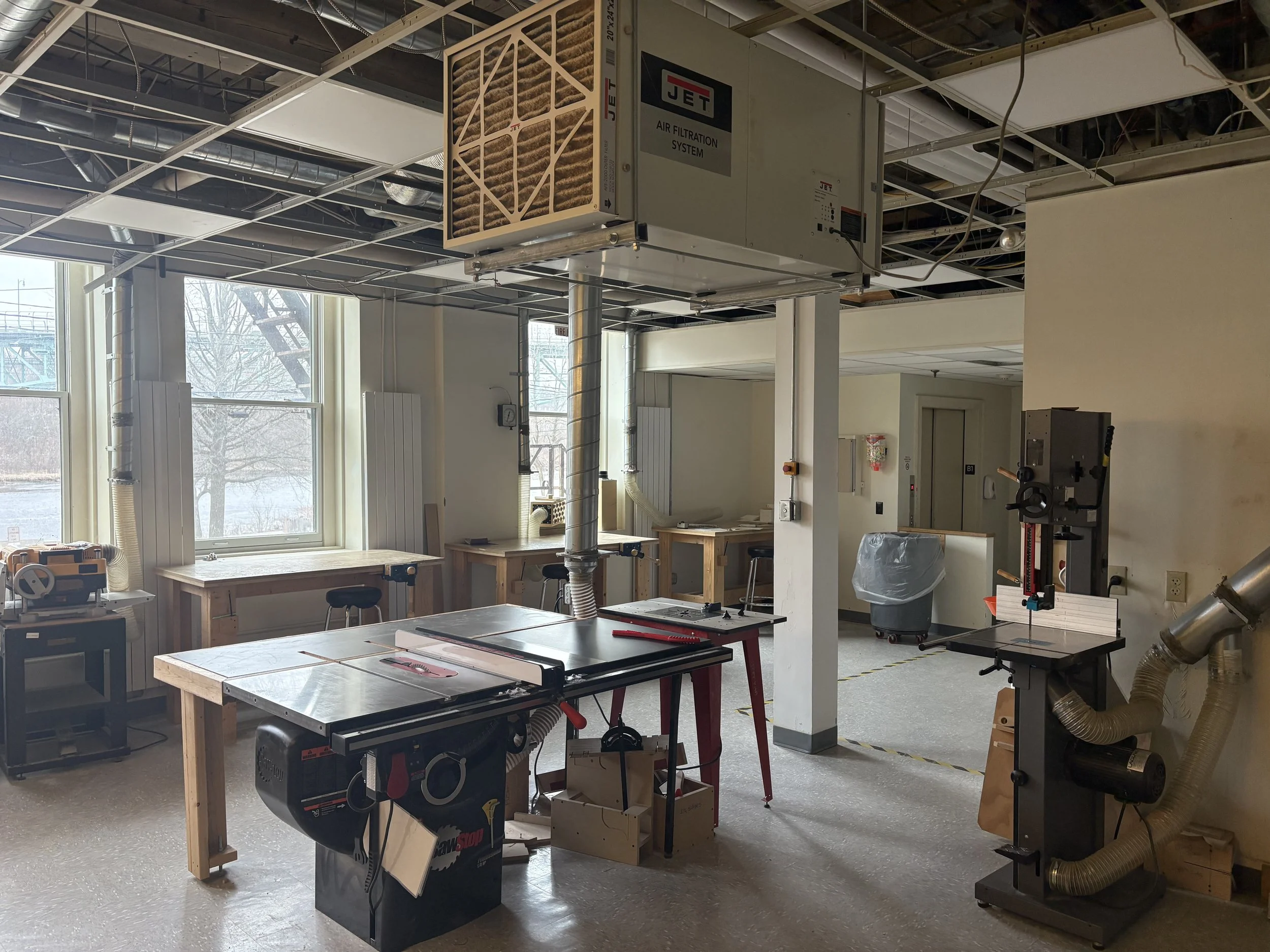
Faculty and industry professionals have noted that the building’s studio spaces, critique areas, and dedicated fabrication and model-making environments may be difficult to replicate in any other campus-based facility. Removing the program from this building doesn't just displace a handful of students. It severs the direct relationship between their education and the communities they are being trained to serve, and dilutes our pool of future architects, designers, and civic leaders who contribute to the capacity of the preservation movement. The program’s curriculum responds to the needs of Maine: students train to address the state's affordable housing crisis, design public libraries and civic buildings, and engage with the historic communities they come from.
A student-produced documentary lets you hear directly from those who use and experience Handley Hall.
How to Get Involved
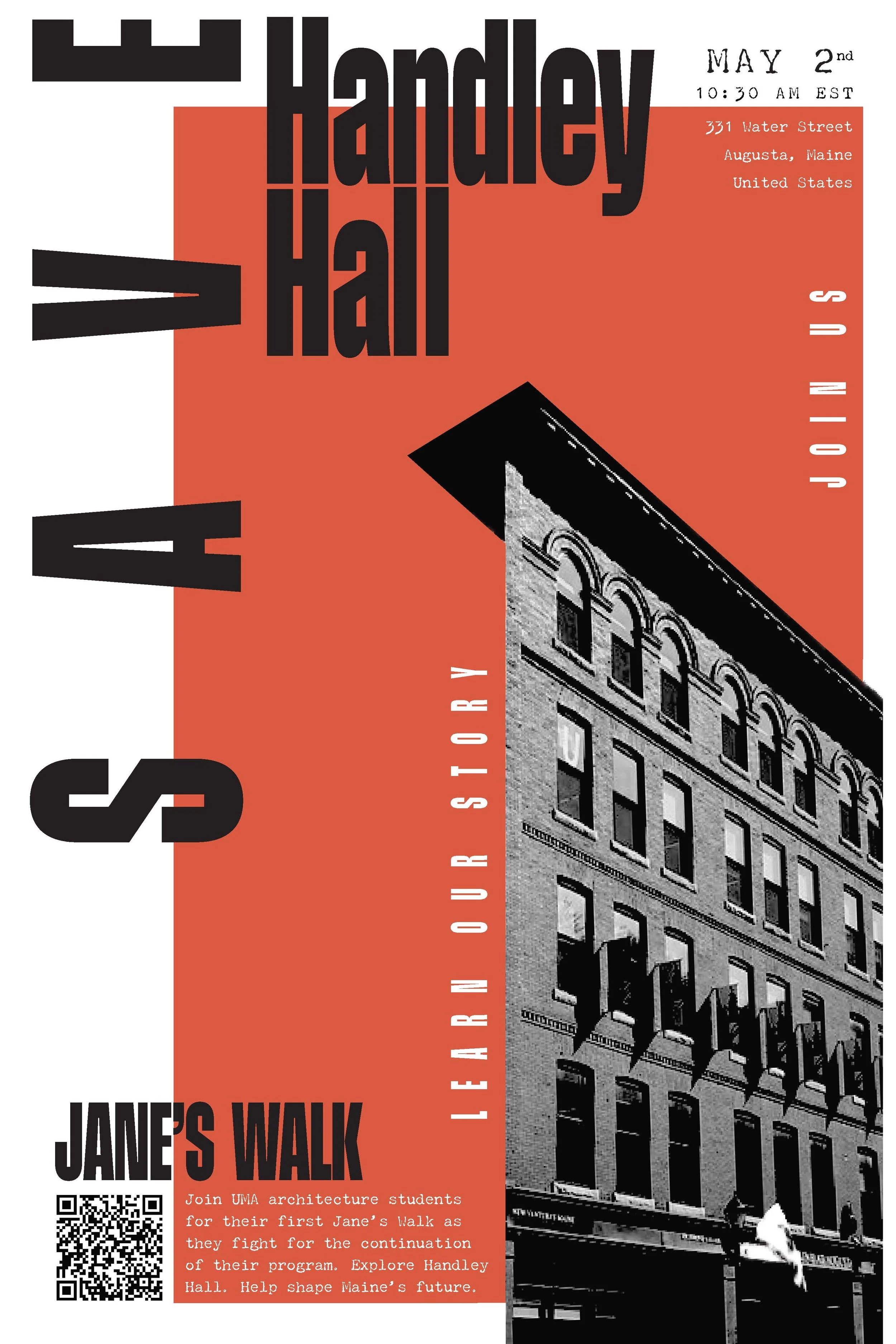
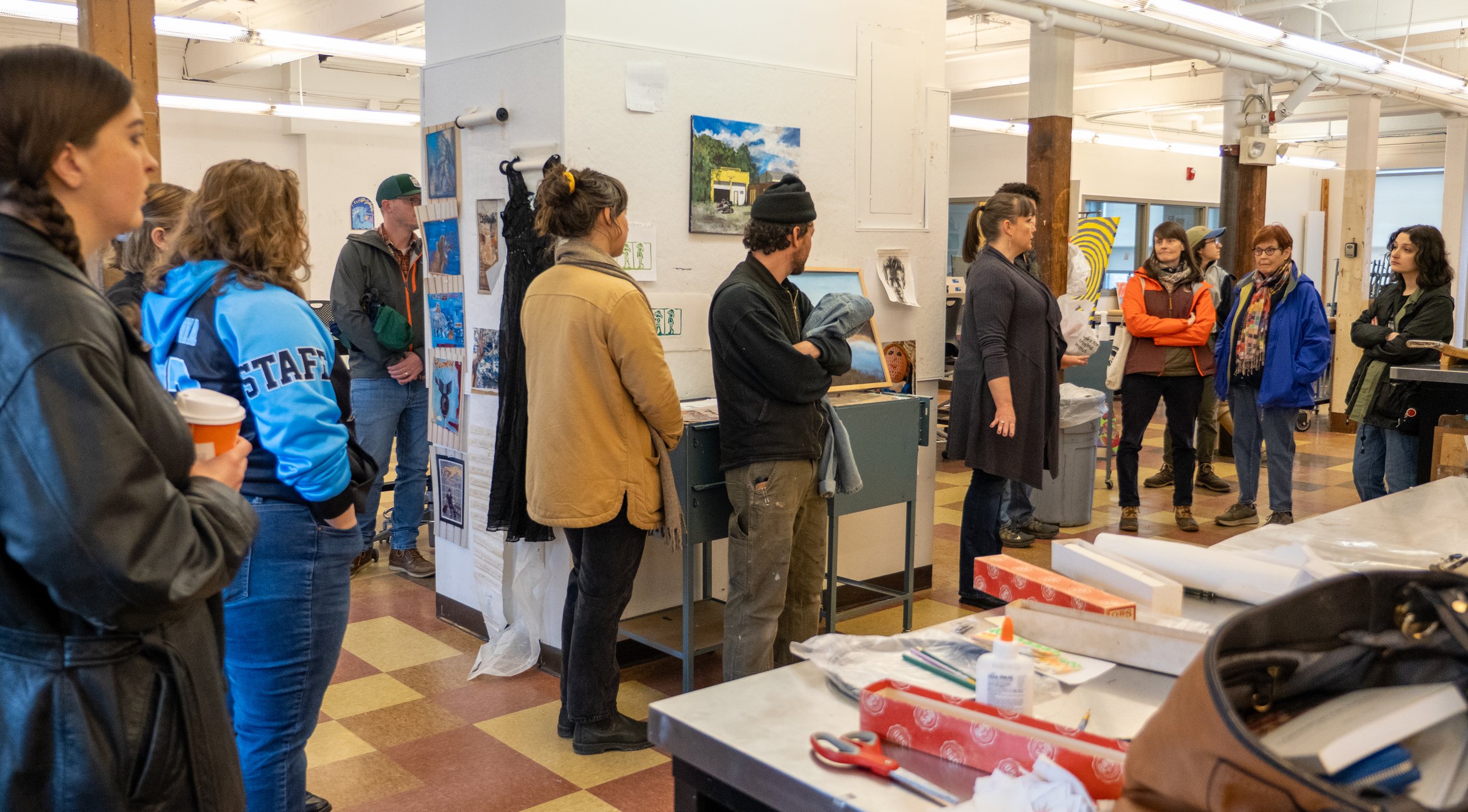
On May 2, a group of 13 architecture students organized a Jane's Walk and public exhibition on the building's history and its role in their education. Follow the lead of the students, staff, faculty, and alumni in calling for the Architecture Program to remain in Handley Hall. It is their written letters and public statements that have focused media attention on this issue.
Contact the UMA administration and the University of Maine System Board of Trustees directly to voice concern about the proposed relocation. Express the importance of the Architecture Program and demand that they invest in its growth as a leading public-facing design program in New England.
To get engaged and learn about upcoming opportunities to speak out, you can contact architecture student Gabriel Despradel (Gabriel.despradel@maine.edu).
Photos Credits: Jadon Green, Madison Cook, Arielle Pierson, Gabriel Despradel, Jantsa Dansranbavuu, Department of Interior
