
The confluence of traditional craft, technology, and dedication resulted in a restorative transformation of the Victoria Mansion, a National Historic Landmark and one of the best-preserved examples of a nineteenth century Italianate villa.
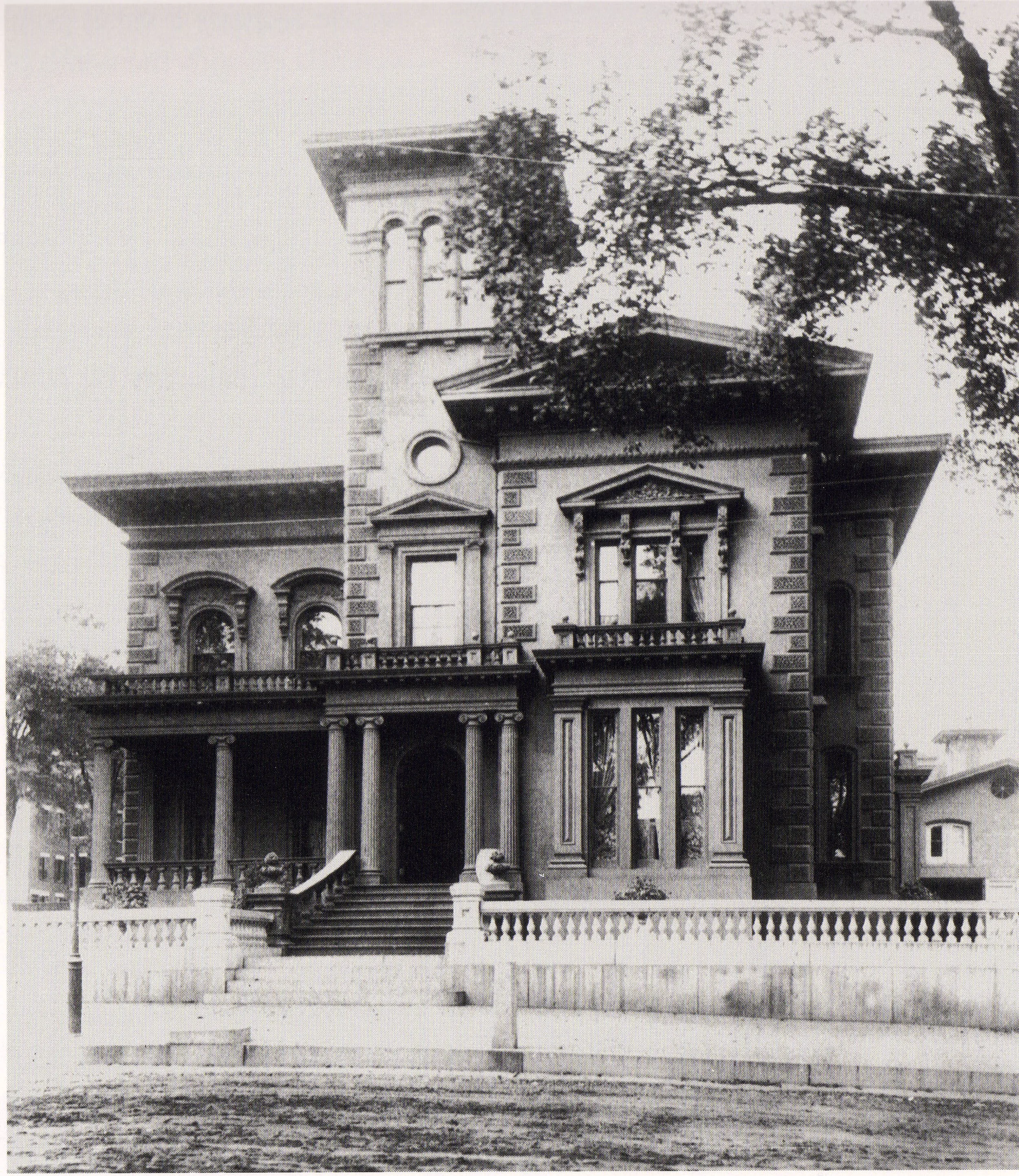
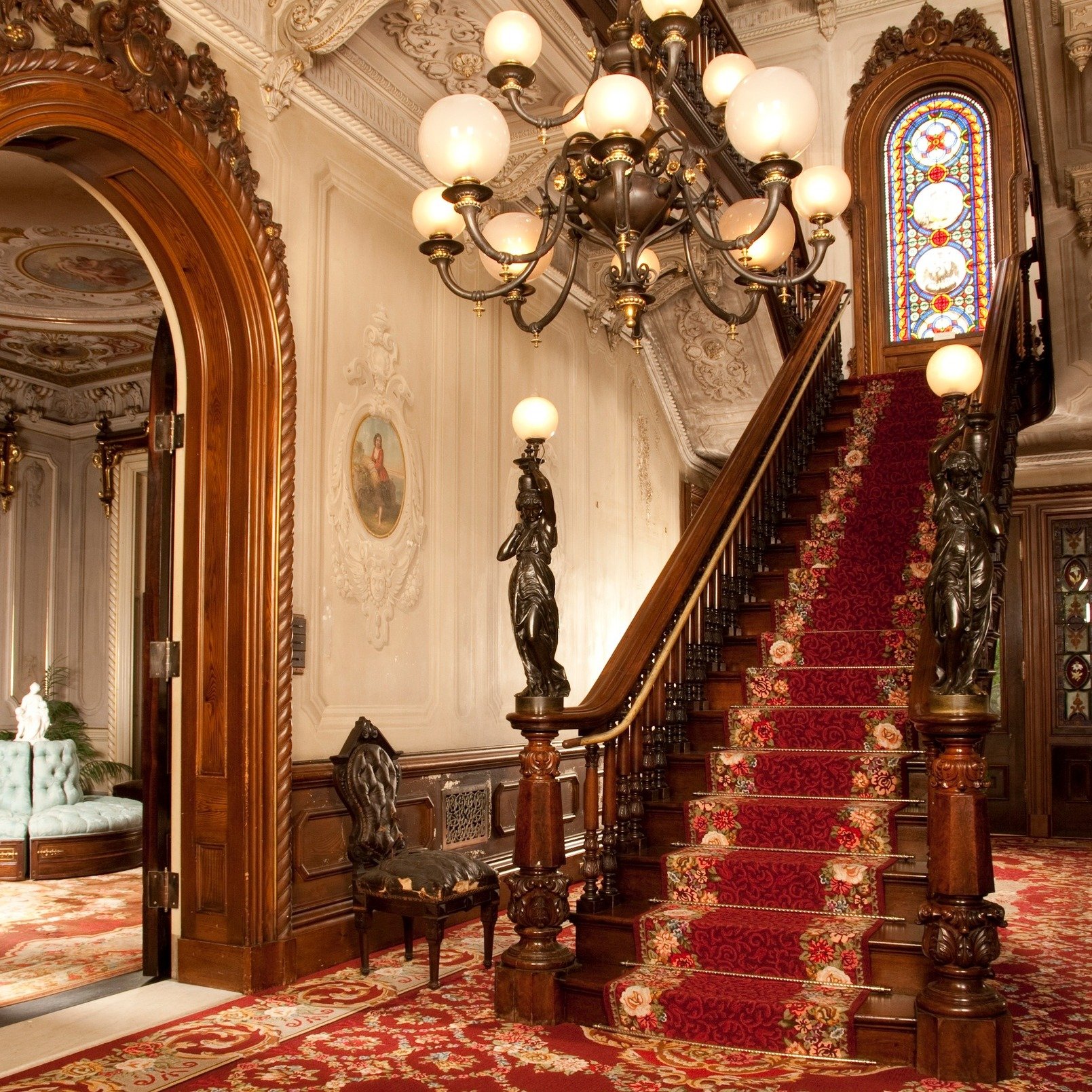
Victoria Mansion was built in Portland between 1858 and 1860 as a summer home for New Orleans hotelier Ruggles Sylvester Morse and his wife Olive Merrill Morse. The high-styled Italianate mansion was designed by Architect Henry Austin, with furnishings and interior appointments by decorator Gustave Herter and Italianate fresco-style painting by Giuseppe Guidicini. The house was later owned and preserved by the Libby family and ultimately saved by William Holmes in 1941. It has since been open to the public as a museum.
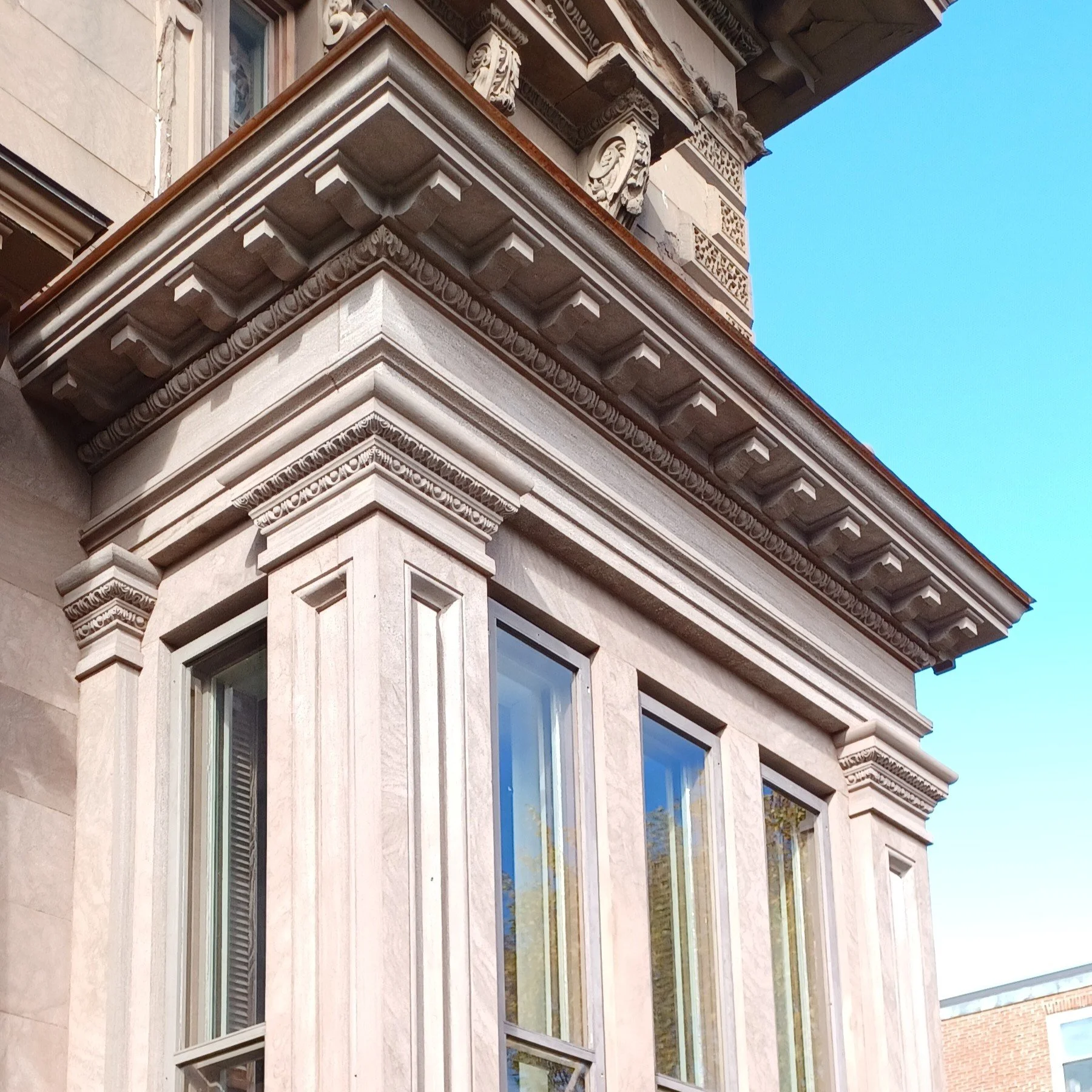
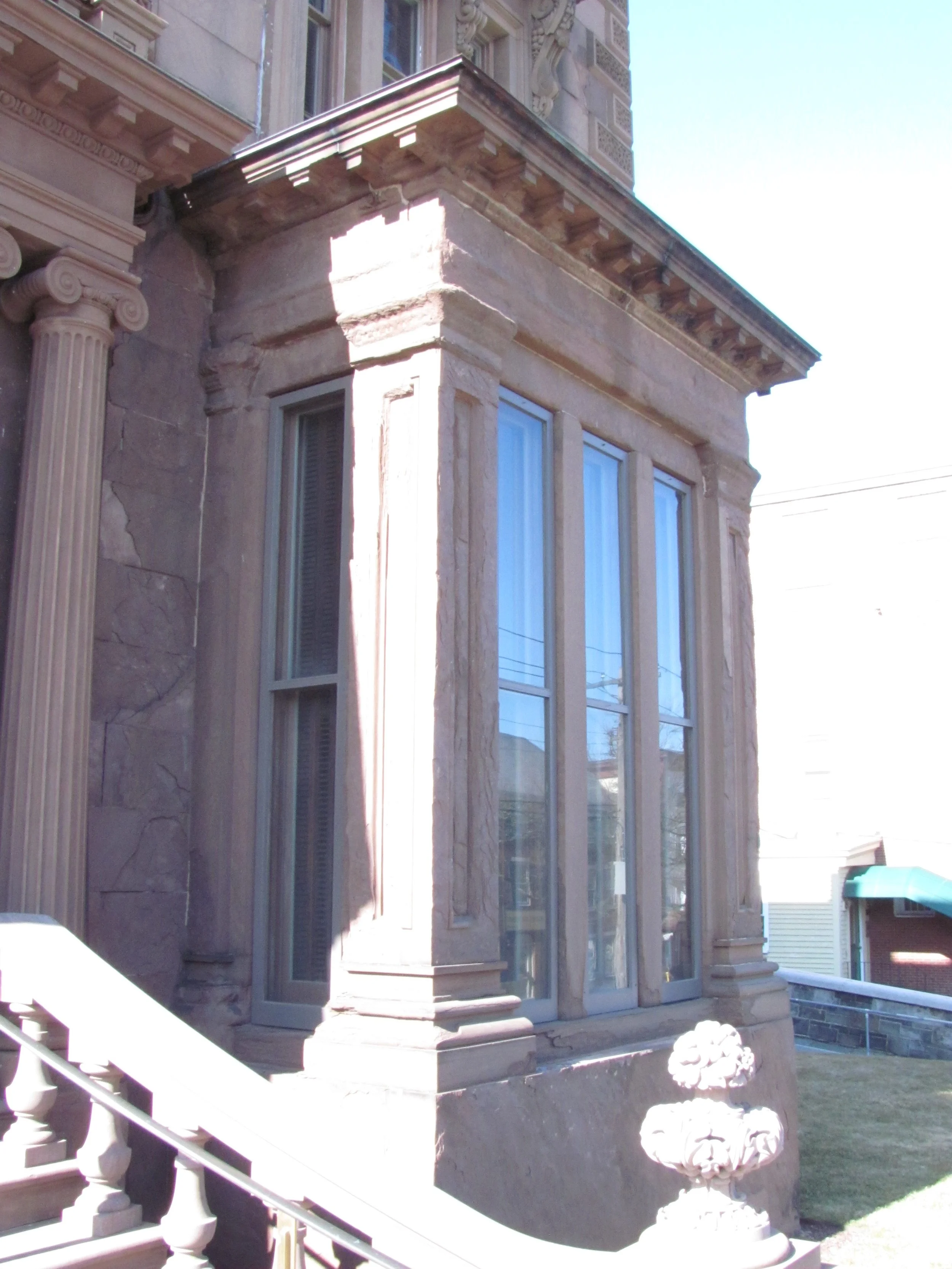
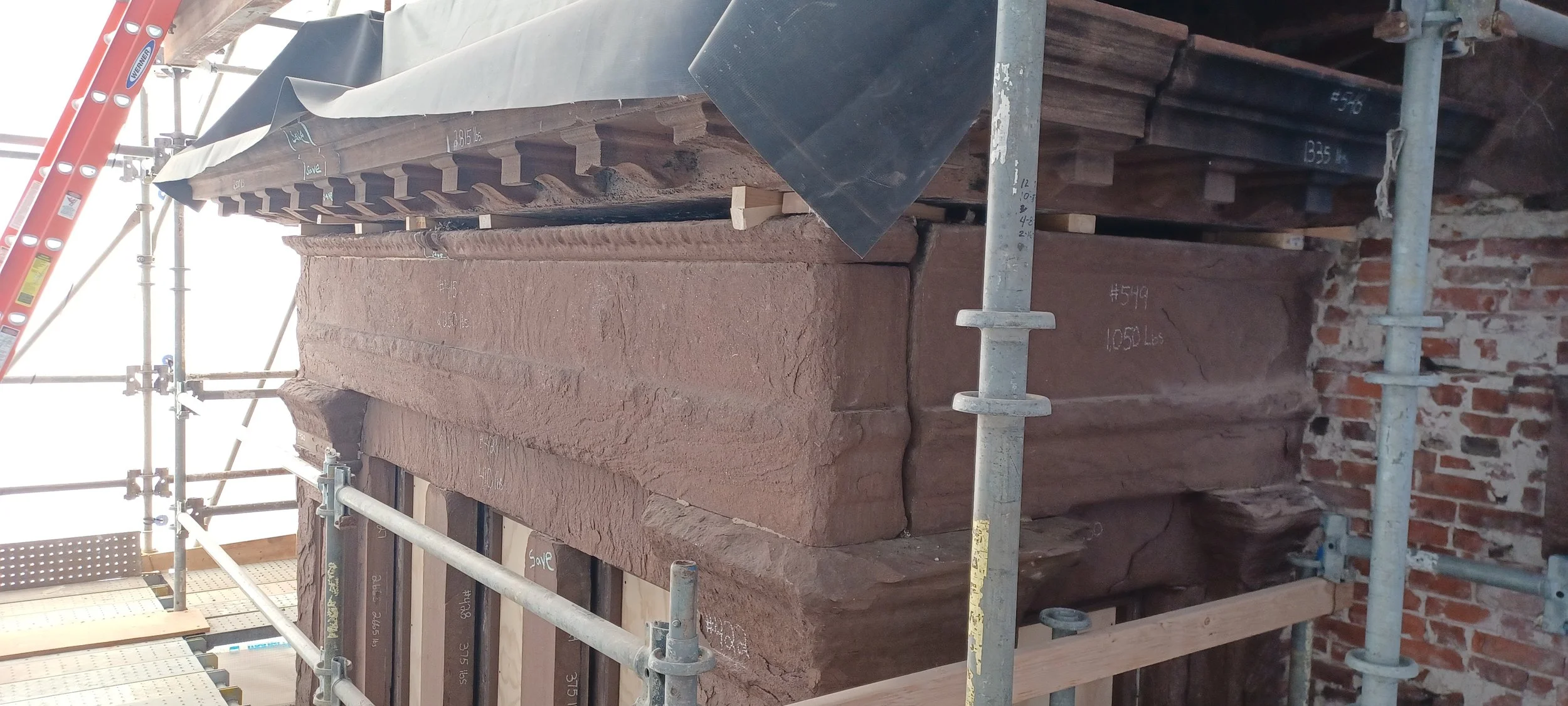
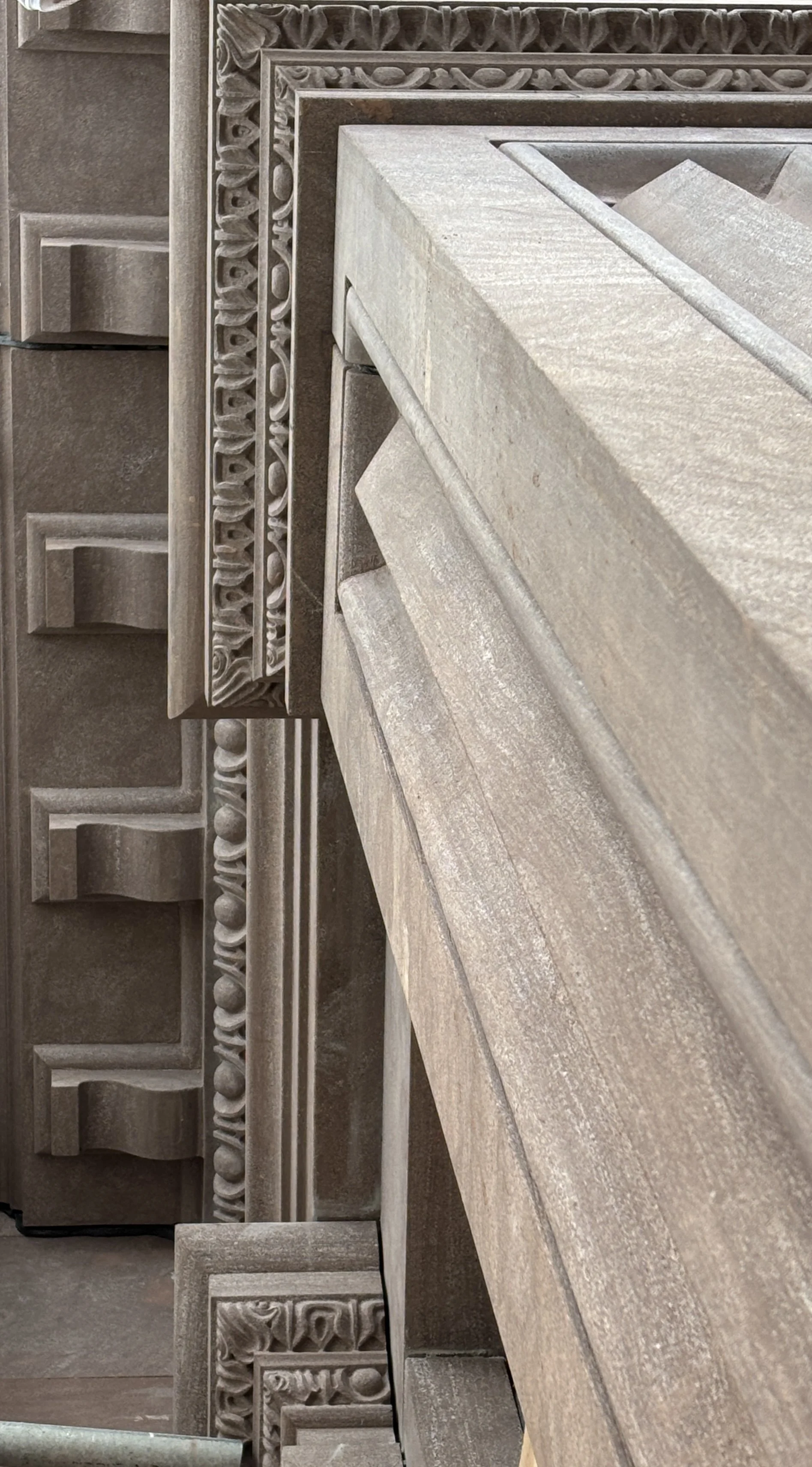
Between the elaborate interiors and fragile brownstone, serious and sustained maintenance and restoration work has been ongoing since the 1970s. The mansion’s front bay–unshielded by overhanging roofs–became the greatest source of concern. Beyond erosion and loss of the carved ornamentation, it was feared that moisture would infiltrate and damage the decorated interiors just inches behind the building envelope. While brownstone is the ideal material for elaborate carving, the porous sandstone is notoriously prone to spalling and water damage. When it fell out of favor at the turn of the twentieth century, the quarries shuttered.
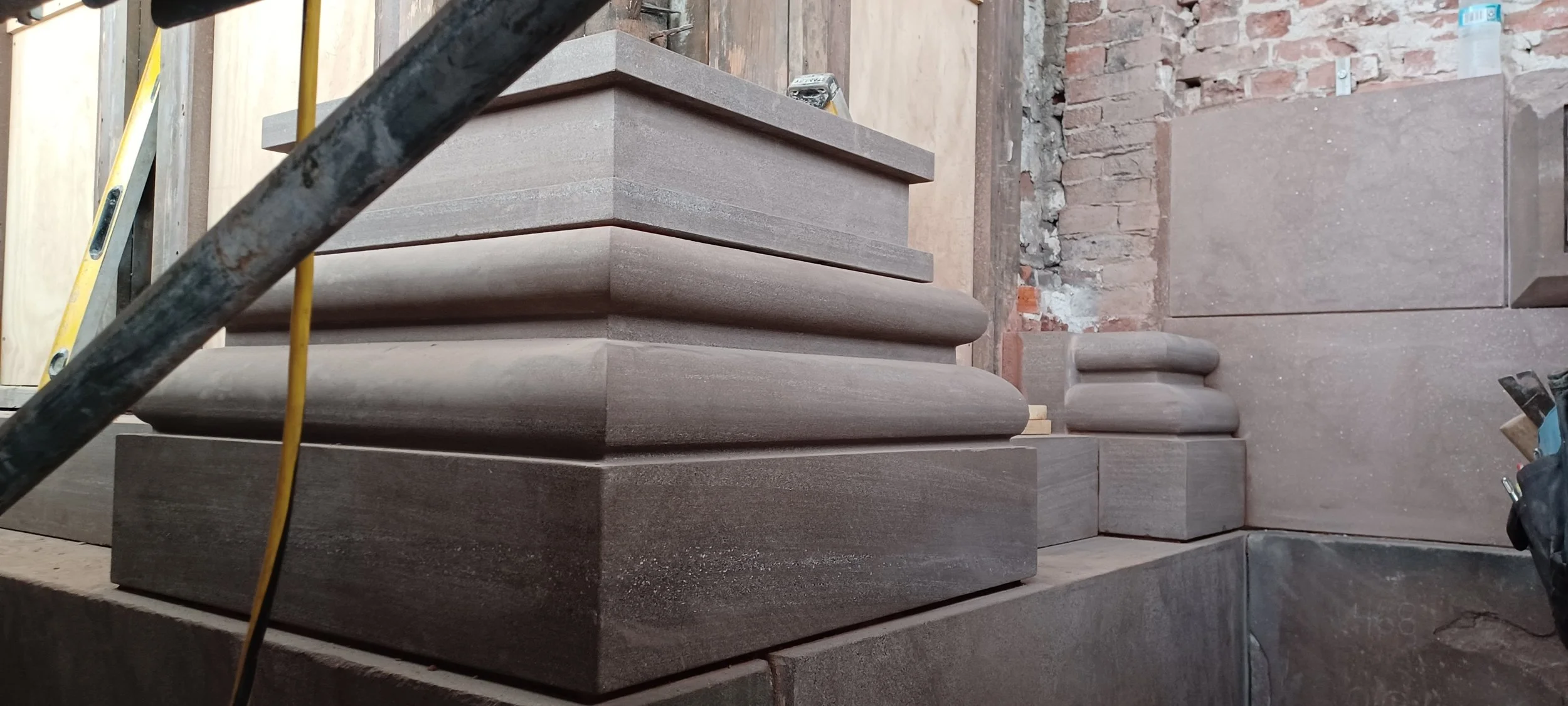
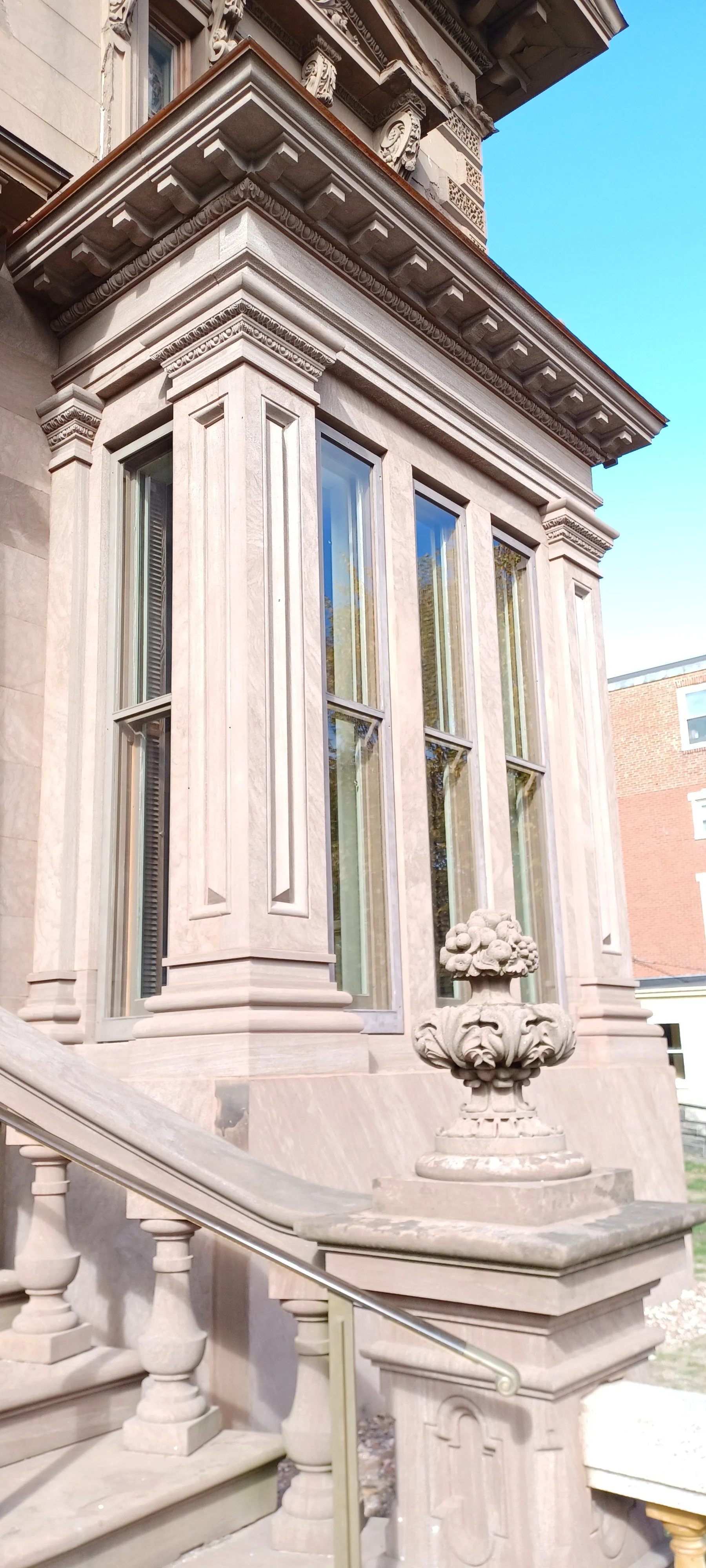
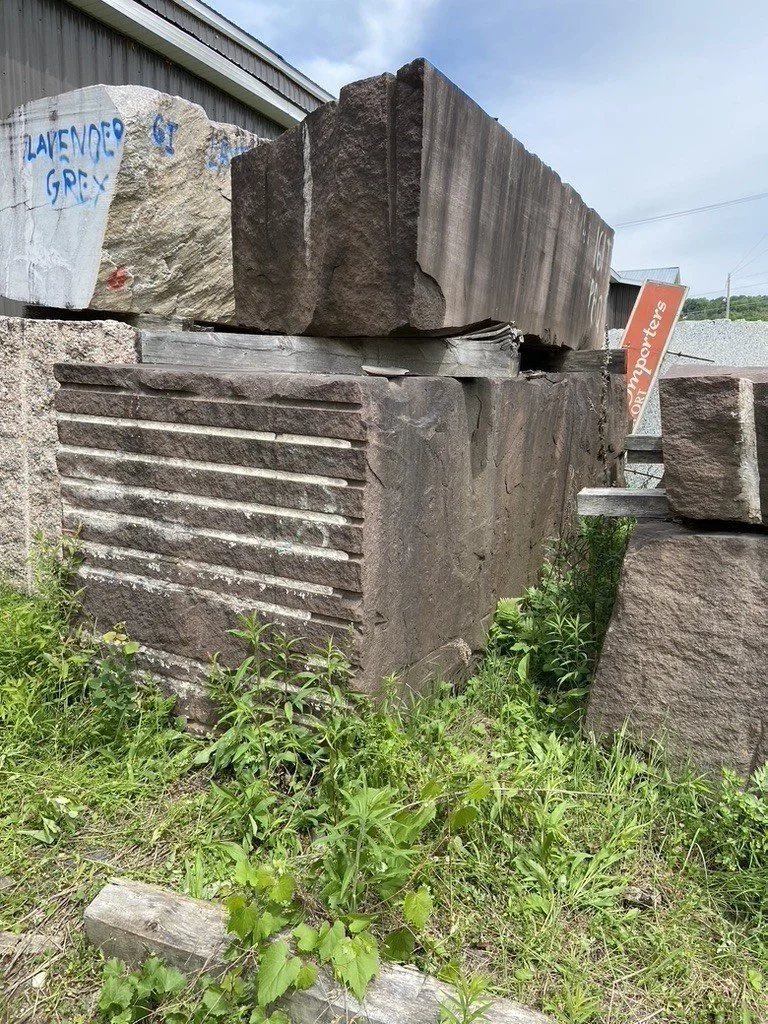
Restoration of Victoria Mansion’s front bay was only possible thanks to the discovery of a rare cache of Portland Brownstone (from Connecticut), a material that is no longer quarried and rarely available on the market. The museum jumped at the opportunity. Renowned conservator Ivan Myjer of Building and Monument Conservation was brought in to oversee what would likely be the last large-scale restoration campaign at Victoria Mansion.
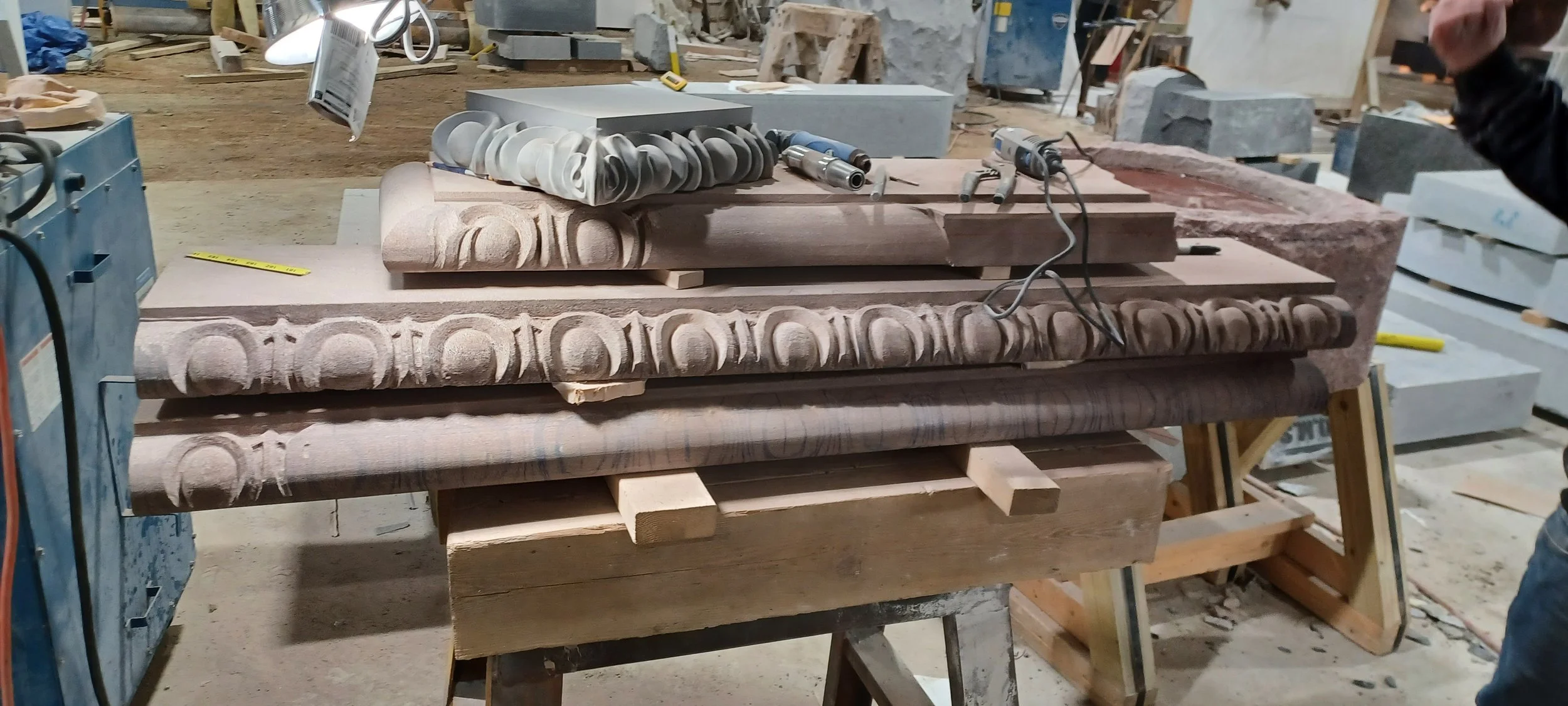
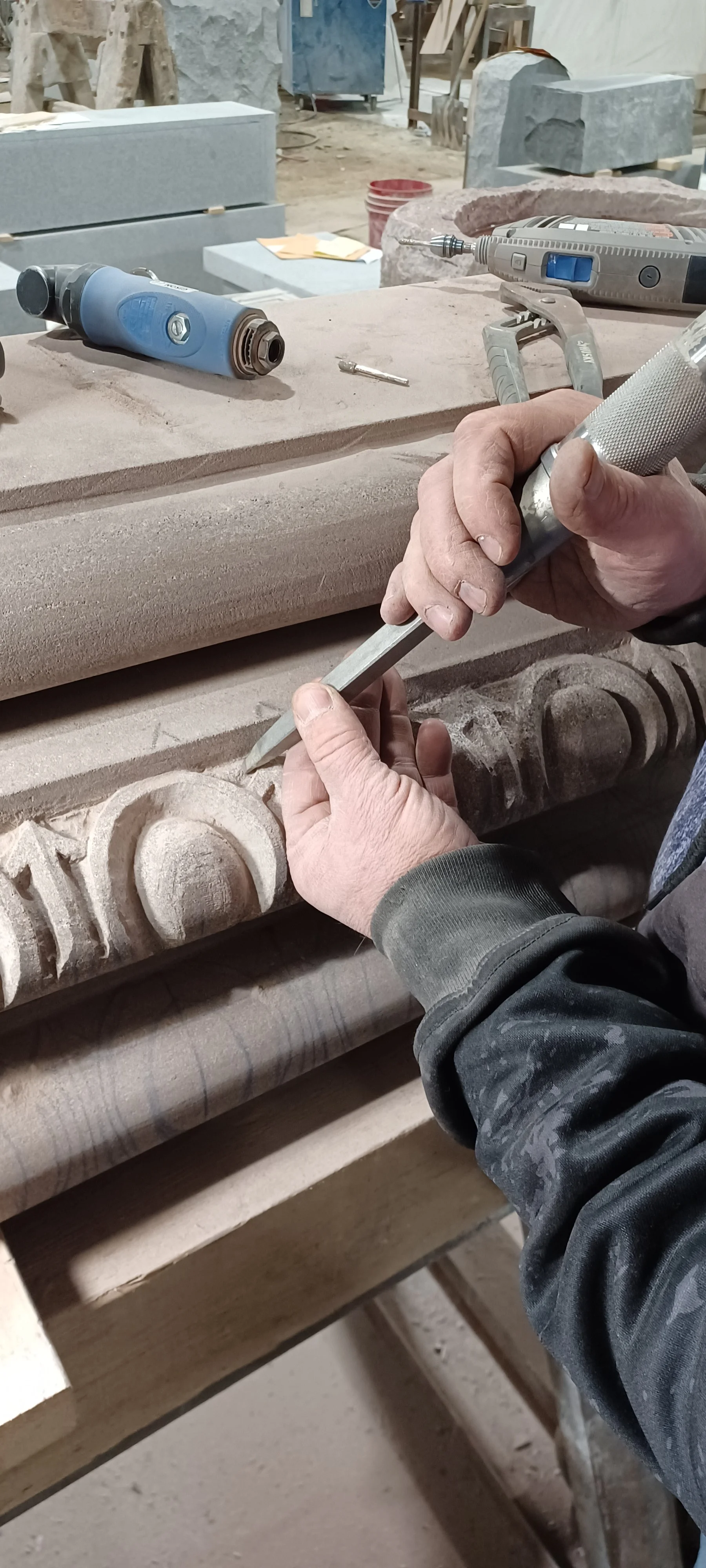
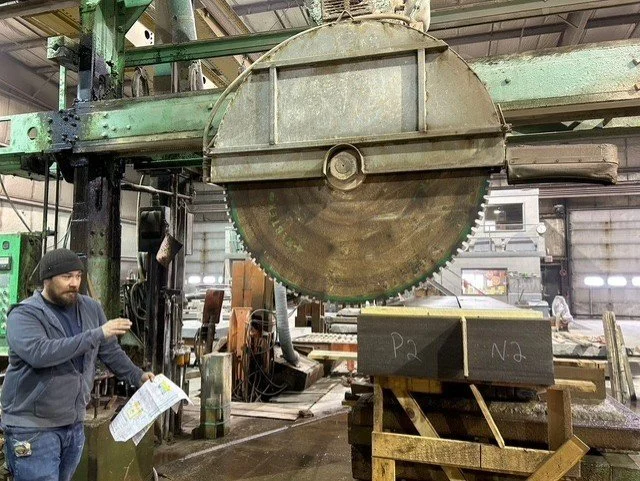
Perfectly matching brownstone was cut and carved by Granite Importers in Barre, Vermont. The project team went to great lengths to ensure that the details of the restored bay were as faithful as possible to original features, drawing on physical and photographic evidence. The latest technologies in 3D drafting and modeling from the team at Vertical Access helped guide the hand carving by Sylvain Metivier.
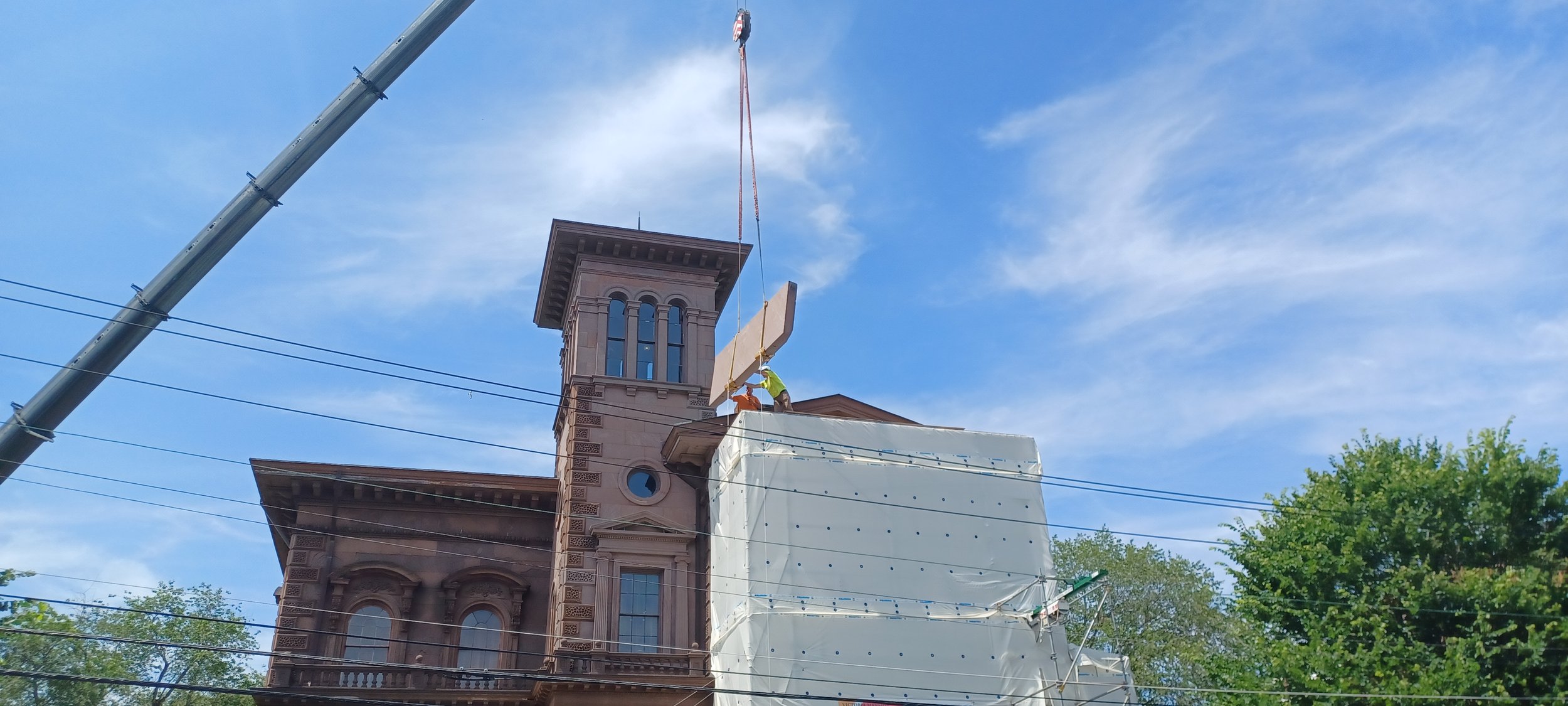
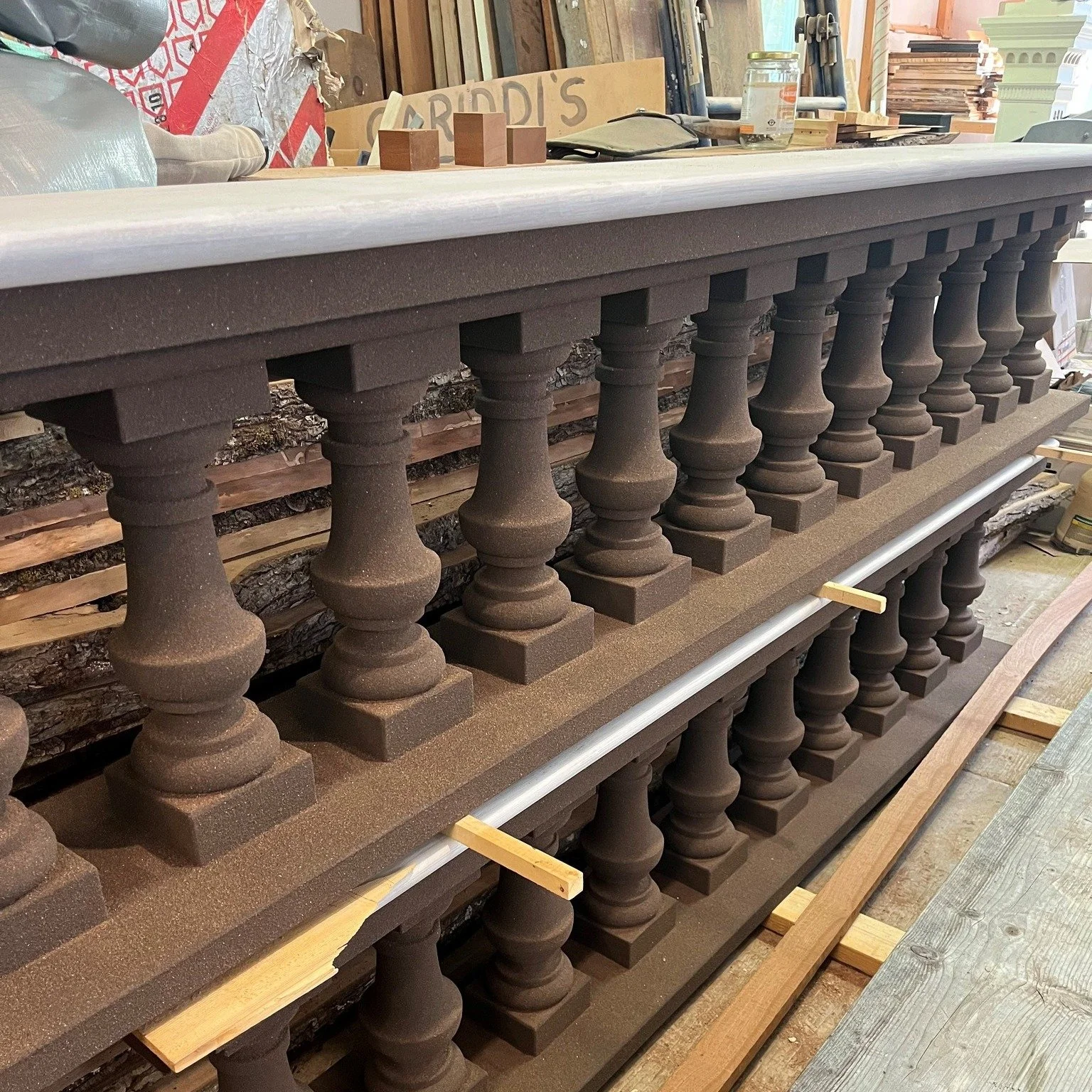
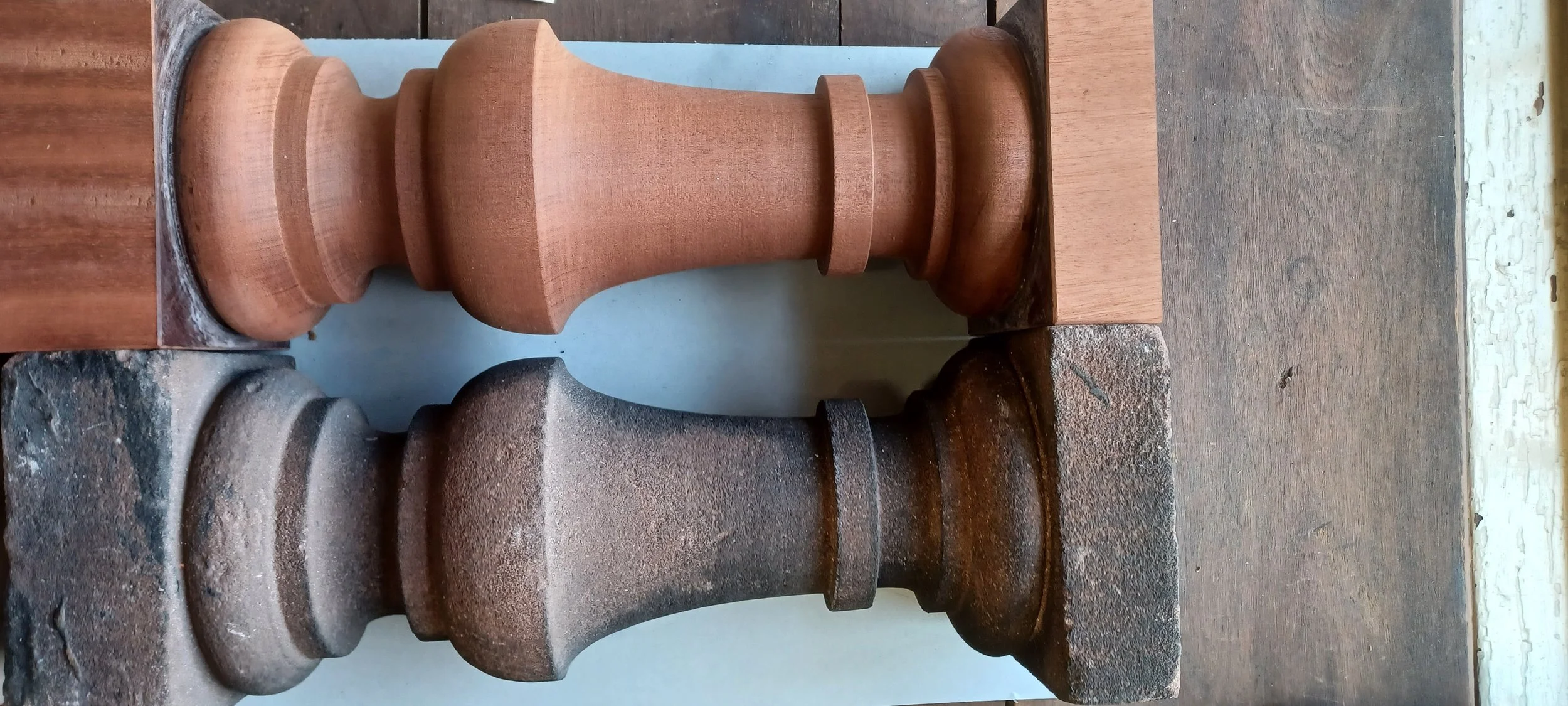
The finished stone was shipped to Portland and carefully hoisted and positioned by Massachusetts-based Stone & Lime Historic Restoration Services. The project also afforded the opportunity to replace ashlar masonry flanking the bay and reinforce it with steel. The project capstone was the restoration of the rooftop balustrade in sand painted wood, which had been missing from the building since the 1950s. The balusters were hand turned by R. Cariddi Fine Woodworking of Buxton.
Tom Hinkle, longtime Chair of Victoria Mansion's Restoration Committee, and Executive Director Tim Brosnihan ushered this decade-long, million-dollar project towards its successful completion. Maine-based funders included The 1772 Foundation in cooperation with Maine Preservation, The Davis Family Foundation, the Elsie and William Viles Foundation, the Morton Kelly Charitable Trust, and the Peter L. Sheldon family.
Today, the bay displays the beautiful graining and lively mica sparkle of Portland brownstone, visible to passersby and the house’s 30,000 annual visitors.
Project Participants:
Victoria Mansion
Building and Monument Conservation
Stone & Lime
Structures North
Granite Importers
Sylvain Metivier
Vertical Access
R. Cariddi Fine Woodworking
Photo Credits: Victoria Mansion, Ivan Myjer
